
 Turkey
Türkiye Publishes ETS Registry And Market-Operating Rules
Türkiye’s ETS market-operating regulation entered into force on 21 October. It establishes registry, auction, spot-market and settlement arrangements, with virtual operation before the systems become operational.

Dr Steven Brennan
2 min readAI-drafted, expert reviewed
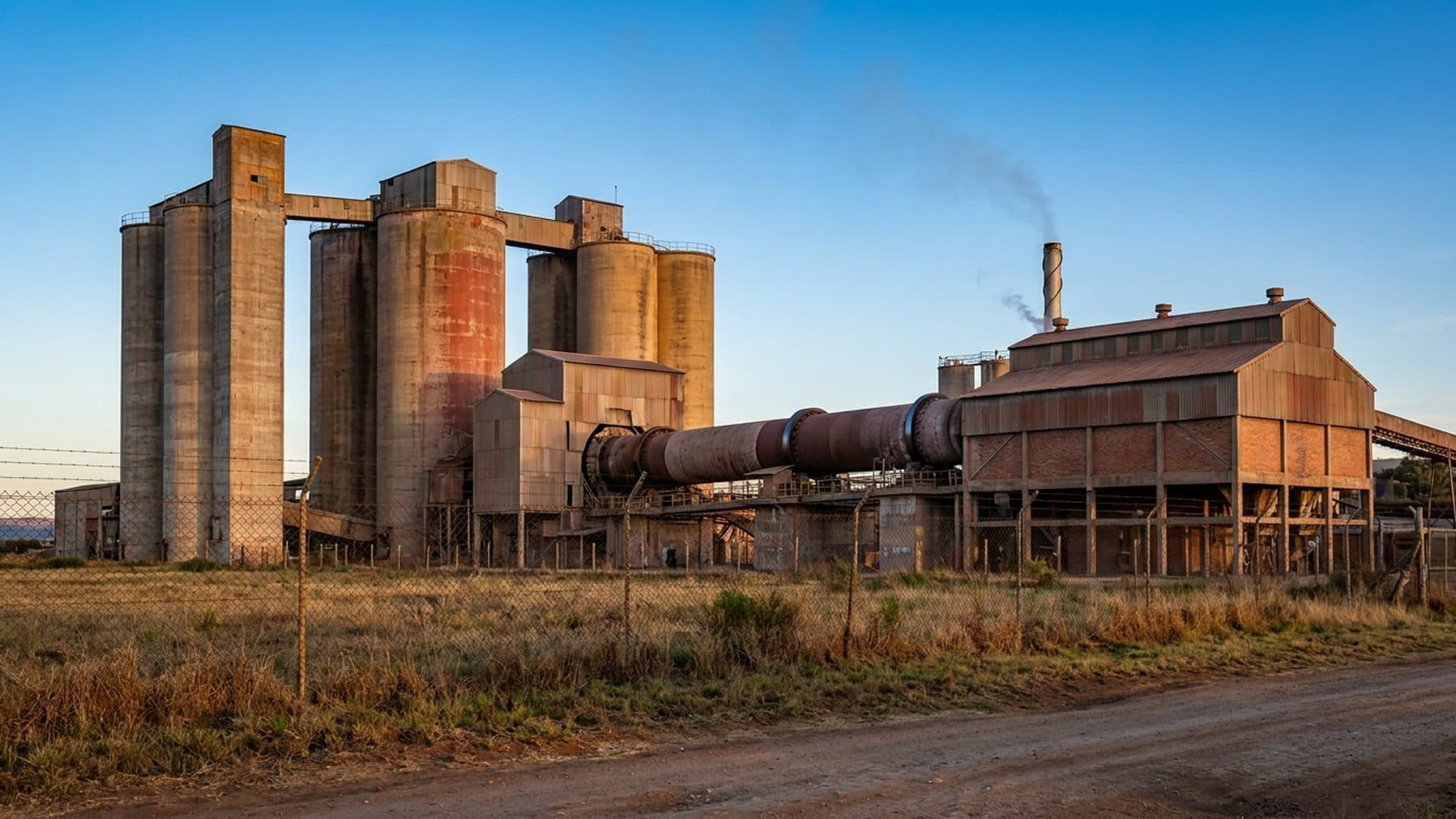
Türkiye published its Regulation on the Operation of the Emissions Trading System Market in the Official Gazette on 21 October 2026. Issued by the Energy Market Regulatory Authority, EPDK, the regulation entered into force on publication under Article 54. Official Gazette regulation.
Registry And Market Arrangements
The text establishes the transaction registry, primary allowance auctions and secondary spot-market arrangements, with EPİAŞ as market operator. Covered operators must open registry accounts and complete participation arrangements. It also sets rules for collateral, settlement, payments and reporting bilateral allowance transactions. Articles 3–10 and subsequent market provisions.
Entry into force does not establish that live trading has started. Transitional Article 1 provides for virtual operation before the registry, primary market and spot market become operational, without delivery, invoicing or payment obligations. Transitional provisions.
Earlier Pilot Rules
The regulation follows the core ETS regulation published on 27 August 2026. Separate pilot rules cover specified category B and C activities in electricity generation, cement, iron and steel, aluminium and fertilisers, including nitric acid and ammonia production—not chemical manufacturing generally.
Those pilot rules distinguish reporting for 2026 from allowance surrender for 2027 emissions. Verified activity-level reports are due on 30 April 2027 and 30 April 2028 respectively, while surrender for 2027 emissions is due by the last working day of November 2028. Pilot Articles 6 and 13.
Topics
Questions about this change
Did Türkiye’s ETS market regulation start live emissions trading on 21 October 2026?
The regulation's entry into force does not establish a trading launch. Transitional Article 1 provides for virtual operation before operational commencement, without delivery, invoicing or payment obligations. [Gazette regulation](https://www.resmigazete.gov.tr/eskiler/2026/10/20261021-4.pdf).
Does Türkiye’s emissions trading pilot cover all chemical manufacturers?
No. The pilot covers specified category B and C activities in five sectors. Its fertiliser-related activities include nitric acid and ammonia production; it does not bring chemical manufacturing generally into the pilot. [Pilot scope](https://www.iklim.gov.tr/db/turkce/duyurular/files/Yay%C4%B1mlanan_%20TR%20ETS%20Usul%20ve%20Esaslar.pdf).

Dr Steven Brennan
CEO and co-founder of Foresight, and a co-opted member of ECHA's Committee for Socio-economic Analysis. He holds a PhD in chemical engineering.
More from Dr Steven BrennanFind out what this means for your products
Foresight follows changes like this one and shows where they reach your substances, products and markets.
 Norway

 United States

 Taiwan
Join 3,500+ professionals staying ahead
Foresight Weekly brings the week's regulatory changes across chemicals, product safety, sustainability, ESG and EHS into one email.
Read by professionals at


