
 Taiwan
Taiwan Carbon Fee Amendments Change Entry Timing And Credit Use
Taiwan has changed when first-time covered businesses start paying carbon fees and how legacy credits and subsidised measures are treated.

Dr Steven Brennan
3 min readAI-drafted, expert reviewed
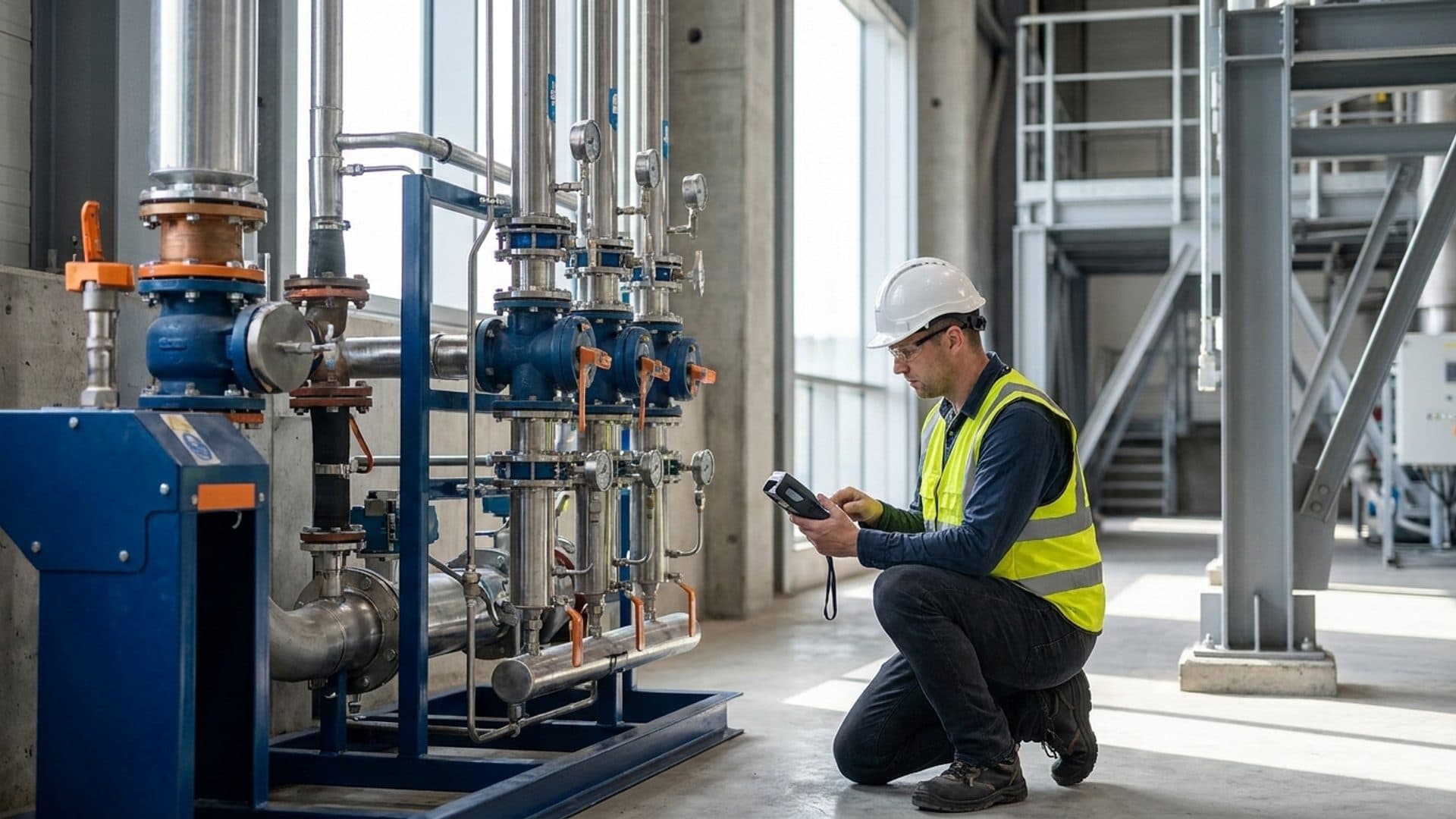
Taiwan carbon fee amendments published on 1 September 2026 change when newly covered businesses begin paying and how certain domestic reduction credits and government-supported measures are treated. The Ministry of Environment finalised the changes after consultation, affecting power, gas and manufacturing installations whose combined annual direct and electricity-related indirect emissions reach at least 25,000 tonnes of carbon dioxide equivalent.
Taiwan's first fee cycle is already operating. The Ministry says 461 installations belonging to 240 businesses completed payment in May 2026. Existing covered entities must continue annual inventories, registration, verification and payment.
Taiwan Carbon Fee Amendments Clarify First-Time Entry
New Article 3-1 addresses a business that meets the coverage conditions for the first time and has not previously reported the same business or emission source under the inventory rules or paid the fee. Its declaration and payment obligation begins in the year after the year in which it is required to conduct the previous year's emissions inventory, registration and verification.
The Ministry says this timing gives a new entrant a complete baseline before it prepares a voluntary reduction plan. It is not a fee waiver. Once within scope, the business must still establish verified emissions, plan measures and meet the applicable annual target if it wants a preferential rate.
Coverage remains tied to direct emissions and indirect emissions from electricity use across the whole factory or site. The general charging formula still deducts 25,000 tonnes from annual emissions before applying the adjustment factor, except that the deductible amount is zero for a recognised high carbon-leakage-risk business.
Credit Ratios And Double-Benefit Controls Are Retained
Amended Article 9 keeps a 10% cap on deducting domestic reduction credits from chargeable emissions. Credits from voluntary reduction or offset projects receive a 1.2 deduction ratio. Legacy early-action project credits receive a 0.3 ratio for businesses outside the recognised high-leakage category and 0.1 for businesses within it, and may only be used during the first three years of carbon-fee collection.
The companion voluntary-reduction amendments prevent duplicated advantage. The Ministry says emission reductions from government-subsidised measures generally cannot also count as excess reductions after a plan's implementation period for the purpose of approving additional reduction benefits.
What changed is the entry-year rule and the handling of legacy credits and subsidised measures. The 25,000-tonne coverage threshold, annual reporting architecture and requirement to make up the difference at the general rate when targets are missed remain.
Analysis, clearly identified as an inference: corporate carbon-fee controls now need to reconcile regulatory scope, accounting year and funding source. A technically valid reduction may produce the wrong fee result if teams cannot show when the site entered scope, which credit regime applies or whether public funding supported the measure.
Practical Actions For Manufacturers And Verifiers
Businesses near the threshold should document the first year each site meets reporting and fee conditions, then confirm the correct first payment year with advisers or the authority. Existing payers should preserve the May calendar and test emissions, production and electricity data against verification evidence.
Credit users should classify units by project regime, vintage, owner and high-leakage status, apply the relevant ratio and monitor the 10% cap. Reduction-plan owners should identify public subsidies and prevent the same benefit from being claimed twice. Suppliers and customers may also need updated verified data for contracts, product footprints and border-carbon reporting.
Official source
Taiwan Ministry of Environment, Carbon Fee Regulation Amendments (1 September 2026)enews.moenv.gov.tw
Questions about this change
Do new Taiwan carbon-fee entrants receive a permanent exemption?
No. The amendment changes the start of declaration and payment so a first-time covered business can complete an inventory and verified baseline first. It does not remove liability once the revised timing is reached, and the underlying emissions threshold remains in place.
Can every domestic reduction credit offset the fee at the same rate?
No. The regulation distinguishes voluntary or offset-project credits from legacy early-action credits and applies different deduction ratios. A 10% cap remains, high carbon-leakage-risk status changes the legacy-credit ratio, and those older credits are limited to the first three collection years.

Dr Steven Brennan
CEO and co-founder of Foresight, and a co-opted member of ECHA's Committee for Socio-economic Analysis. He holds a PhD in chemical engineering.
More from Dr Steven BrennanFind out what this means for your products
Foresight follows changes like this one and shows where they reach your substances, products and markets.
 United States
 Germany
 Vietnam
Join 3,500+ professionals staying ahead
Foresight Weekly brings the week's regulatory changes across chemicals, product safety, sustainability, ESG and EHS into one email.
Read by professionals at


