
Key takeaway
What This Development Means
Norway has adopted a 2030 ban on fossil fuels for indirect heating in industrial activities outside the specified emissions-trading scope. The regulation enters into force in 2029. Direct heating, listed operational uses and conditional exemptions require separate assessment.
Does the Norwegian prohibition begin in 2029 or 2030?
The regulation enters into force on 1 January 2029. Its fossil-fuel and conditional liquid-biofuel prohibitions begin on 1 January 2030.
Can a delayed electricity connection justify an exemption?
The pollution authority may grant a time-limited exemption on application if increased electricity demand cannot be safely connected by 1 January 2030. The business must provide documentation from the grid company. The exemption is not automatic.
Source basis: Norwegian Regulation FOR-2026-10-07-2009
Industrial Operators Get A 2030 Fuel-Switching Deadline
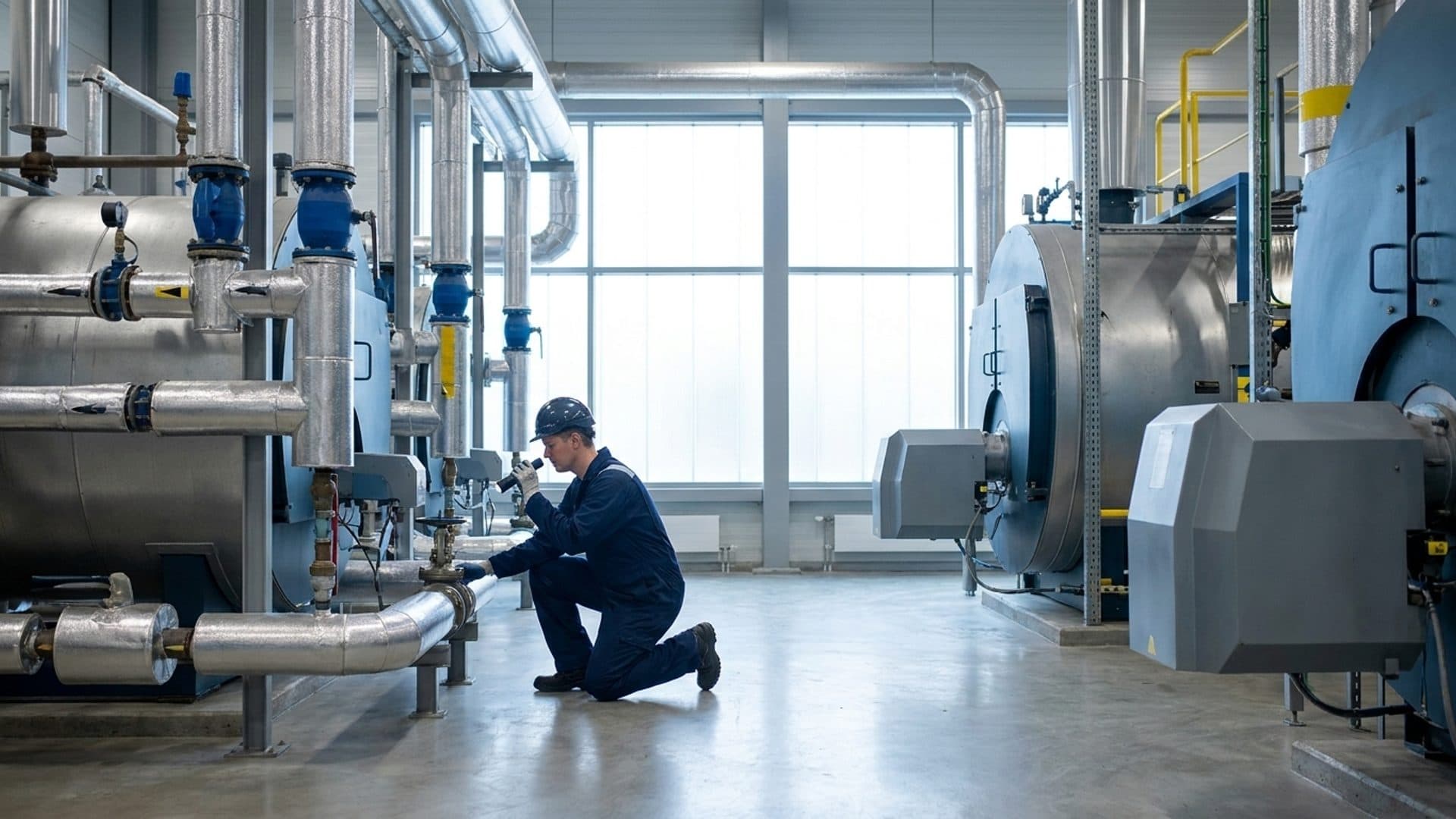
Norway has adopted a regulation prohibiting fossil fuels for indirect industrial heating from 1 January 2030. The prohibition covers industrial activities outside the scope of section 1-3 of Norway's emissions-trading regulations. It is not a blanket ban on every industrial combustion process.
The Ministry of Climate and Environment adopted the regulation on 7 October 2026. It was promulgated on 8 October. The regulation enters into force on 1 January 2029, one year before the fuel prohibitions begin.
Heating Method And Fuel Type Determine Scope
Indirect heating includes combustion that supplies heat, steam, mechanical power or electricity to industrial processes without flames or hot combustion gases directly contacting the materials being treated. Direct process heating without a heat-transfer medium falls outside that definition.
The regulation also restricts liquid biofuels from 2030 unless they meet the specified land-use and greenhouse-gas-saving criteria. Biogas is not classified as a liquid biofuel. Operators therefore need to assess both the heating arrangement and the proposed replacement fuel.
Listed exclusions cover process off-gases, required start-up and shutdown firing, and required support firing at installations covered by the waste-incineration rules. The text also excludes specified combustion of an operator's own waste, residual or off-gases after refining or processing, mobile machinery and required fossil-fuel use in emergency generators.
Grid Delays Require Evidence
Section 4 allows use during an electricity outage until supply returns. It also addresses faults or damage preventing use of other energy carriers. In those cases, fossil-fuel use must be limited to the time needed to repair the problem without undue delay.
The pollution authority may grant a time-limited exemption if increased electricity demand cannot be safely connected to the grid by 1 January 2030. Businesses must apply and provide documentation from the grid company. Other exemptions may be granted for national security or special cases.
Start With A Combustion-Use Inventory
Foresight analysis. Operators should distinguish direct heating from steam, hot-water and other indirect systems before costing a conversion. Check emissions-trading coverage and each claimed operational exclusion. Where electrification depends on grid capacity, obtain a documented connection assessment early enough to support the investment decision or a properly evidenced exemption application.
Related Articles
Vietnam Decision 42/2026 Expands Greenhouse Gas Inventory List To 2,441 Facilities
Vietnam Decision 42/2026 expands the greenhouse gas inventory list to 2,441 facilities from 25 September 2026.
Italy Renewable Hydrogen Support Mechanism Opens Industrial Opportunity
Italy has published a final support mechanism for renewable hydrogen of non-biological and biological origin used in industry and transport. The decree entered into force on 8 August 2026, but applications await GSE rules and calls. Producers, suppliers and offtakers should test eligibility, certification, power sourcing and commercial readiness now.

China Industrial Green Plan Sets 2026 To 2030 Manufacturing Direction
China's 2026 to 2030 industrial green plan signals tighter standards, inspections, carbon-footprint systems, hazardous-substance controls and circular investment. It is a programme, not a universal company deadline.


