EU’s 2030 Zero-Pollution Targets Demand Stronger Action from Industry
The EU’s 2030 zero-pollution targets demand stricter emissions controls, waste reduction, and cleaner production.
Search and browse our complete archive of chemical regulatory news.
Showing 20 articles on page 9 of 41

The EU’s 2030 zero-pollution targets demand stricter emissions controls, waste reduction, and cleaner production.

Eight EU nations urge an EU Critical Chemicals Act to safeguard 15 essential chemicals, protect jobs, and boost European manufacturing amid a 12% production decline.

Canada introduces new regulations banning coal tar and PAH-based sealants due to environmental and health risks.

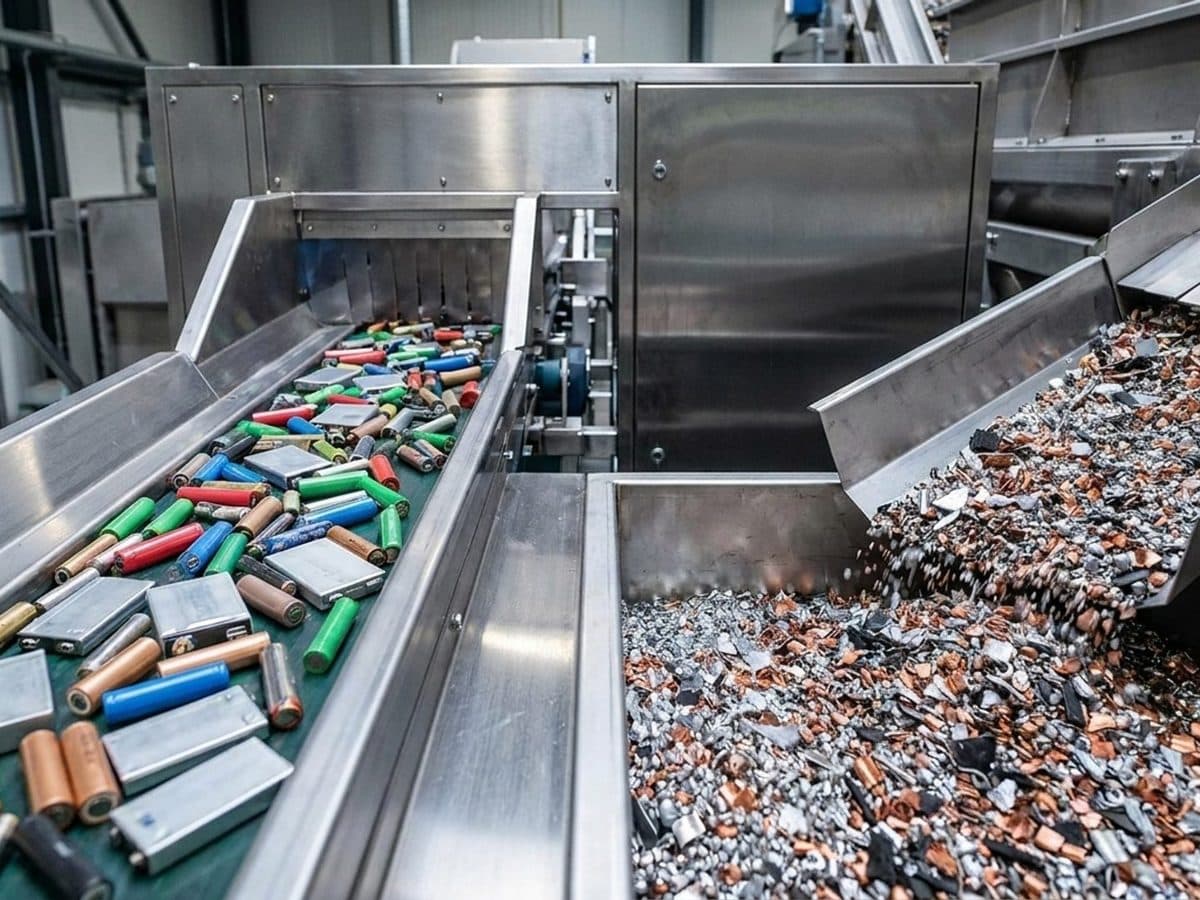
The EU updates the European List of Waste, reclassifying battery-related waste. Manufacturers and recyclers must prepare for stricter hazardous waste rules by September 2026.

The EU is seeking feedback on amendments to the Taxonomy Delegated Acts to simplify sustainability reporting for manufacturers.

The UK is consulting on RoHS exemptions for lead, mercury, and cadmium in industrial engines, lighting, and scientific equipment.

ECHA has opened public consultations on the SVHC identification of decamethyltetrasiloxane, heptamethyltrisiloxane, and Reactive Brown 51. Stakeholders have until 14 April 2025 to submit comments on potential regulatory impacts.

California’s AB-1148 Safer Food Packing Act proposes banning bisphenols, ortho-phthalates, and antimony trioxide in food packaging from 2027. If passed, manufacturers must reformulate materials to comply.

The EU has introduced stricter purity and migration limits for plastic food contact materials under Regulation (EU) 2025/351.

The EU has assessed the regulatory needs for fluorinated aliphatic hydrocarbons. While no new restrictions are proposed, manufacturers should monitor potential future policy shifts.

ECHA's 2024 evaluation statistics reveal compliance gaps in REACH dossiers. Discover key findings, enforcement actions, and how manufacturers can mitigate risks.

The EU has reached a provisional agreement on revising the Waste Framework Directive, introducing Extended Producer Responsibility for textiles and binding food waste reduction targets.

France has passed a law banning PFAS in cosmetics, textiles, and ski waxes by 2026, with further restrictions by 2030.

The EU is reviewing the Cosmetic Products Regulation (CPR) No. 1223/2009 to assess ingredient safety, sustainability, and digitalisation.

Japan has adopted the Global Framework on Chemicals (GFC) implementation plan, impacting chemical management across industries.

ECHA's latest assessment confirms no regulatory risk management actions are needed for inorganic carboxylates. Learn how this impacts manufacturers, suppliers, and industry stakeholders.

Discover the proposal to classify formaldehyde as an SVHC, its industrial uses, associated risks, and how industries can prepare for regulatory changes.

Slovenia has proposed n-hexane as an SVHC under REACH due to its neurotoxic risks.

IARC has classified PFOA as carcinogenic (Group 1) and PFOS as possibly carcinogenic (Group 2B). Learn how this impacts manufacturers, supply chains, and regulatory compliance.

The EU’s 2025 Work Programme will introduce a chemicals industry package in Q4 2025, aiming to simplify compliance, reduce administrative burdens, and enhance digital reporting.
Subscribe to Foresight Weekly and get the latest insights on regulatory changes affecting chemical compliance.
Free forever. Unsubscribe anytime.
Read by professionals at