 China
China
China Files 118 Chemical Industry Standards For Batteries, Plastics And Coatings
China's August filing bulletin registers 118 chemical-industry standards for batteries, industrial chemicals, coatings, plastics, rubber and recycling.

Dr Steven Brennan
3 min readAI-drafted, expert reviewed

China chemical industry standards filed in the August 2026 bulletin include 118 Ministry of Industry and Information Technology HG instruments spanning batteries, industrial chemicals, coatings, plastics, rubber and recycling. The National Standard Information Public Service Platform published Filing Bulletin No. 8 on 1 September, listing 1,044 standards across 18 sectors in total.
The chemical portfolio arrives in two date tranches. The first 58 HG/T standards were approved on 1 June and apply from 1 December 2026. A further 60 were approved on 15 July and apply from 1 February 2027.
China Chemical Industry Standards Reach Diverse Material Supply Chains
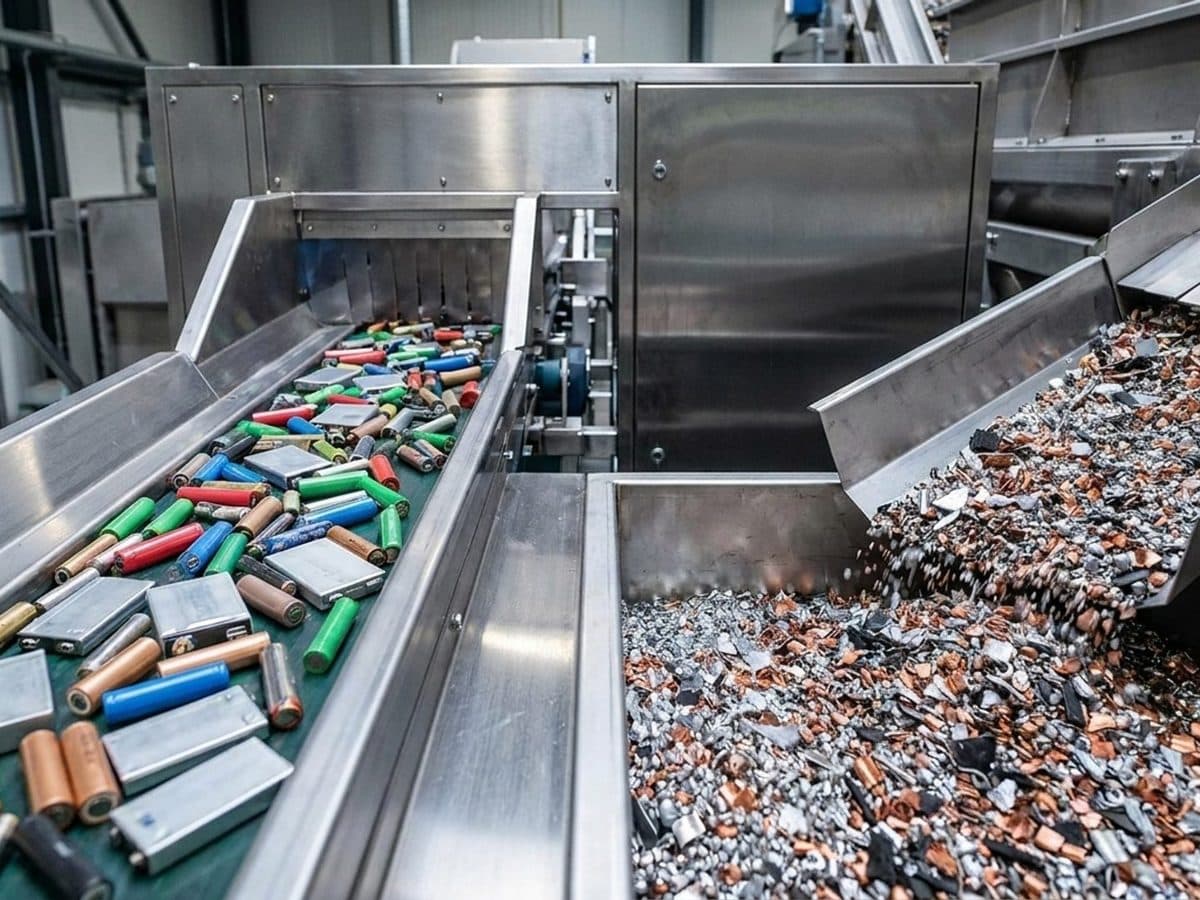
The December tranche includes standards for sodium-ion battery cathode materials, chemical products used in lithium battery production, polyvinyl butyral film testing, catalysts, ion-membrane caustic-soda recycled salt, ethylene-vinyl acetate hot-melt adhesive, bio-based resin coatings, water-based acrylic coatings, corrosion protection and rubber products.
The February tranche includes battery-grade sulphuric acid and ammonium chloride, electronic-industry potassium hydroxide solution, flame-retardant chemicals, industrial benzoyl peroxide, colour masterbatch, coatings, rubber and specialised polyols. HG/T 6499-2026 sets general design requirements for plastic-product recyclability, while HG/T 6535-2026 covers material for fully biodegradable straws.
Some entries replace earlier editions, such as the battery sulphuric-acid standard HG/T 2692-2015. Others create new specifications. Businesses must therefore distinguish a revised test or product specification from an entirely new benchmark.
What Changed And What Remains Unchanged
The new trigger is the 1 September official filing of the 118-standard portfolio with clear application dates. The bulletin consolidates standards approved in June and July and makes their replacement relationships visible to users.
The HG/T designation matters. These are chemical-industry sector standards and are chiefly recommendatory, unlike mandatory national standards carrying a GB designation. Filing does not by itself make every specification a universal legal market-access condition. However, an HG/T standard can become important through contracts, procurement specifications, certification, tender documents or a separate legal requirement.
The portfolio can create indirect compliance pressure beyond China-based producers. This is an inference from the way standards are used in commercial specifications. An overseas buyer that names an updated HG/T method may shift testing, certificate and change-control expectations across laboratories and upstream suppliers before any regulator intervenes.
Practical Actions For Chemical And Materials Businesses
Companies should match product catalogues, raw materials and test methods against all 118 identifiers, prioritising standards that replace an existing edition. Technical teams should obtain the full text before changing specifications because the filing title and date do not reveal every threshold, sampling rule or exemption.
Procurement and sales teams should search contracts and customer standards for affected HG/T references. Laboratories need to compare methods, equipment and accreditation scope. Exporters should confirm whether customers expect the new edition from its application date, while avoiding unsupported claims that every listed standard is legally compulsory.
Foresight's batteries topic tracks related battery-material and supply-chain standards.
Official source
China National Standard Information Public Service Platform, Filing Bulletin No. 8 of 2026 (1 September 2026)hbba.sacinfo.org.cn
Topics
Questions about this change
Are All 118 China Chemical Industry Standards Mandatory?
No. The listed instruments carry the HG/T sector-standard designation and are chiefly recommendatory, not mandatory national GB standards. They may still become binding through contracts, procurement rules, certification schemes or a separate regulation that incorporates a standard.
When Should Companies Start Using The New HG/T Editions?
The first 58 standards list 1 December 2026 as their implementation date, while the further 60 list 1 February 2027. Businesses should check customer contracts, replacement relationships and certification requirements before deciding whether earlier voluntary adoption is appropriate.

Dr Steven Brennan
CEO and co-founder of Foresight, and a co-opted member of ECHA's Committee for Socio-economic Analysis. He holds a PhD in chemical engineering.
More from Dr Steven BrennanFind out what this means for your products
Foresight follows changes like this one and shows where they reach your substances, products and markets.
 European Union

Join 3,500+ professionals staying ahead
Foresight Weekly brings the week's regulatory changes across chemicals, product safety, sustainability, ESG and EHS into one email.
Read by professionals at


