 Netherlands
 European Union
A Dutch decree requires specified businesses to hand waste electrical equipment to authorised collection or processing routes from January 2027.
Foresight
2 min readAI-drafted, expert reviewed
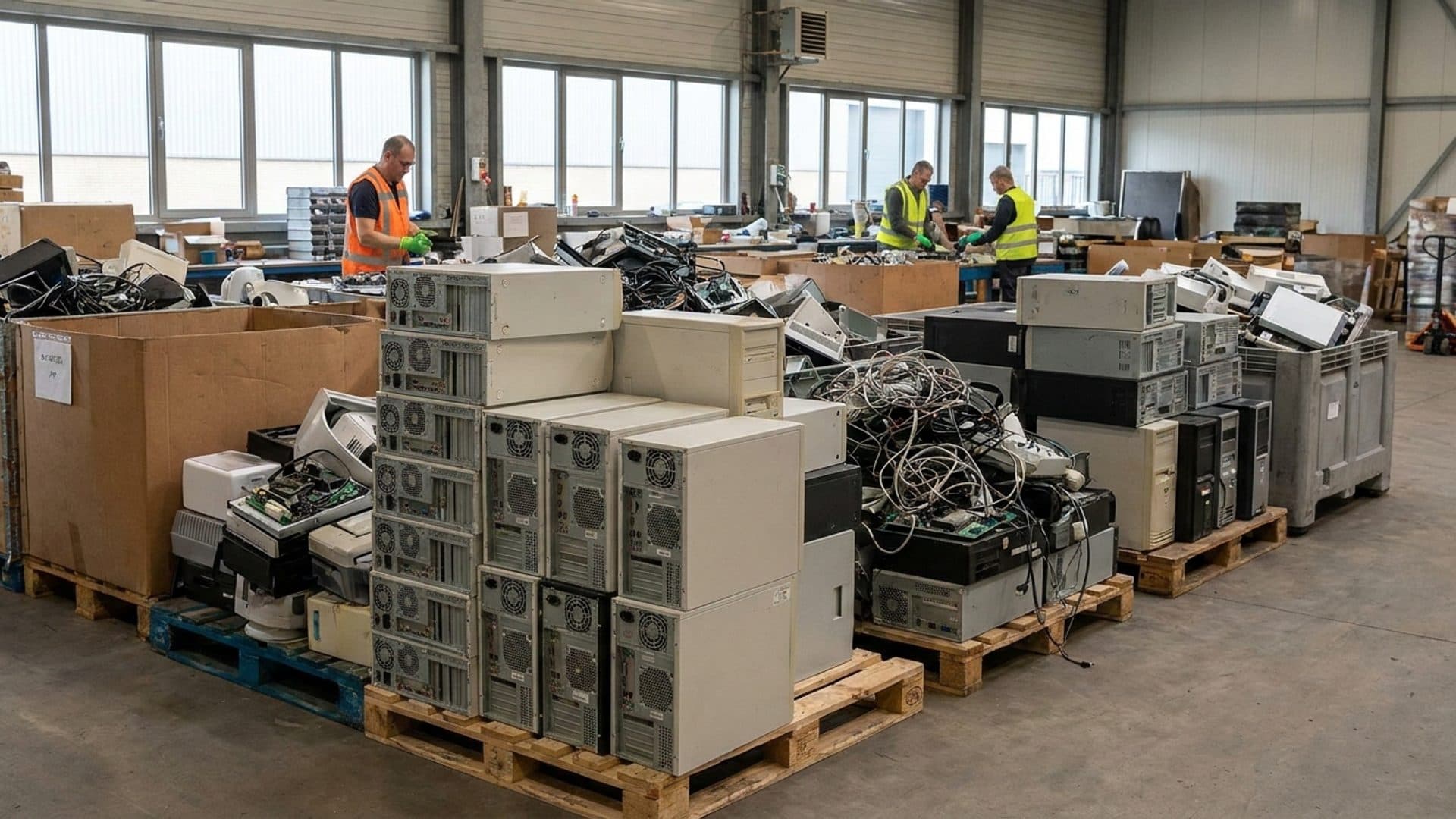
The Netherlands has adopted a decree governing the handover of waste electrical and electronic equipment by specified businesses. Published on 28 October 2026 as Staatsblad 2026, 339, it enters into force on 1 January 2027.
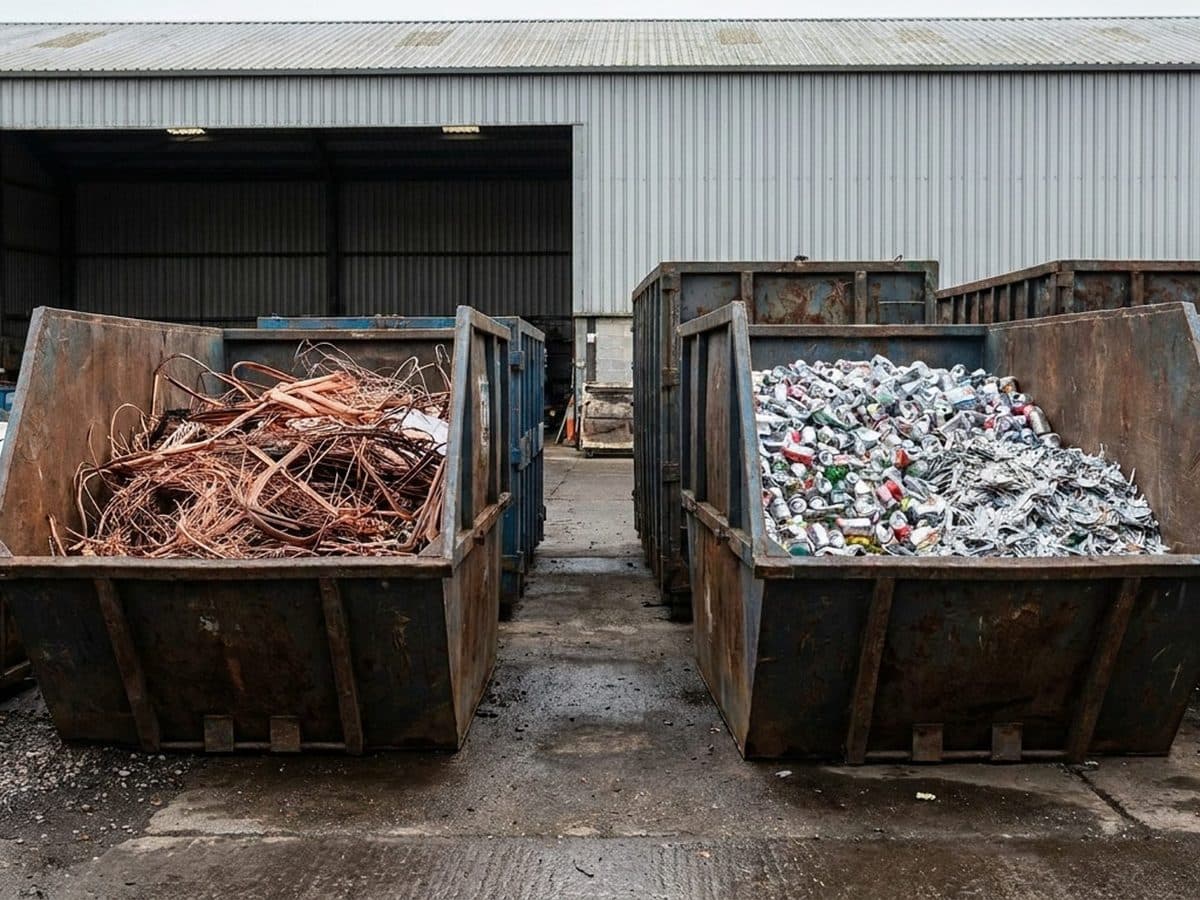
The changes cover activities including metal recycling, construction and installation work, datacentres, laboratories and hospitals. They also introduce a collection-permit requirement for waste electrical and electronic equipment and expand reporting on its receipt by processors.
New Article 4.595b of the Environmental Activities Decree provides three routes. Covered waste equipment must go to a processor meeting Article 11 of the Dutch WEEE regulation, a designated business collection point established by a producer or producer organisation, or a collector holding the relevant permit.
The explanatory memorandum links the measure to the existing framework for separate collection and appropriate treatment. It describes the new handover provisions as a more detailed expression of existing waste-management duties, rather than a replacement for them.
The explanatory memorandum distinguishes waste equipment from equipment being repaired or sold for reuse before it becomes waste. The handover duty starts when the owner decides to discard the equipment and it becomes waste in legal terms.
Preparing discarded equipment for reuse remains a waste-treatment activity subject to the applicable requirements. The decree therefore does not create a general exemption for discarded equipment simply because it may later be repaired or refurbished.
The decree published as Staatsblad 2026, 339 enters into force on 1 January 2027. It applies the handover duty to specified business activities and adds collection-permit and processor-reporting changes.
Equipment supplied for repair before it becomes waste is distinguished from discarded equipment. Once the owner discards it and it becomes waste in legal terms, the handover duty applies. Preparing waste equipment for reuse remains subject to waste-treatment requirements.
Foresight follows changes like this one and shows where they reach your substances, products and markets.
Foresight Weekly brings the week's regulatory changes across chemicals, product safety, sustainability, ESG and EHS into one email.
Read by professionals at


