 Japan

Japan Consults On Substance-Specific Labelling And SDS Cut-Offs
Japan proposes revised workplace chemical concentration cut-offs, with separate values for labels and safety data sheets. Comments close on 18 November; application is proposed for April 2029.

Dr Steven Brennan
1 min readAI-drafted, expert reviewed
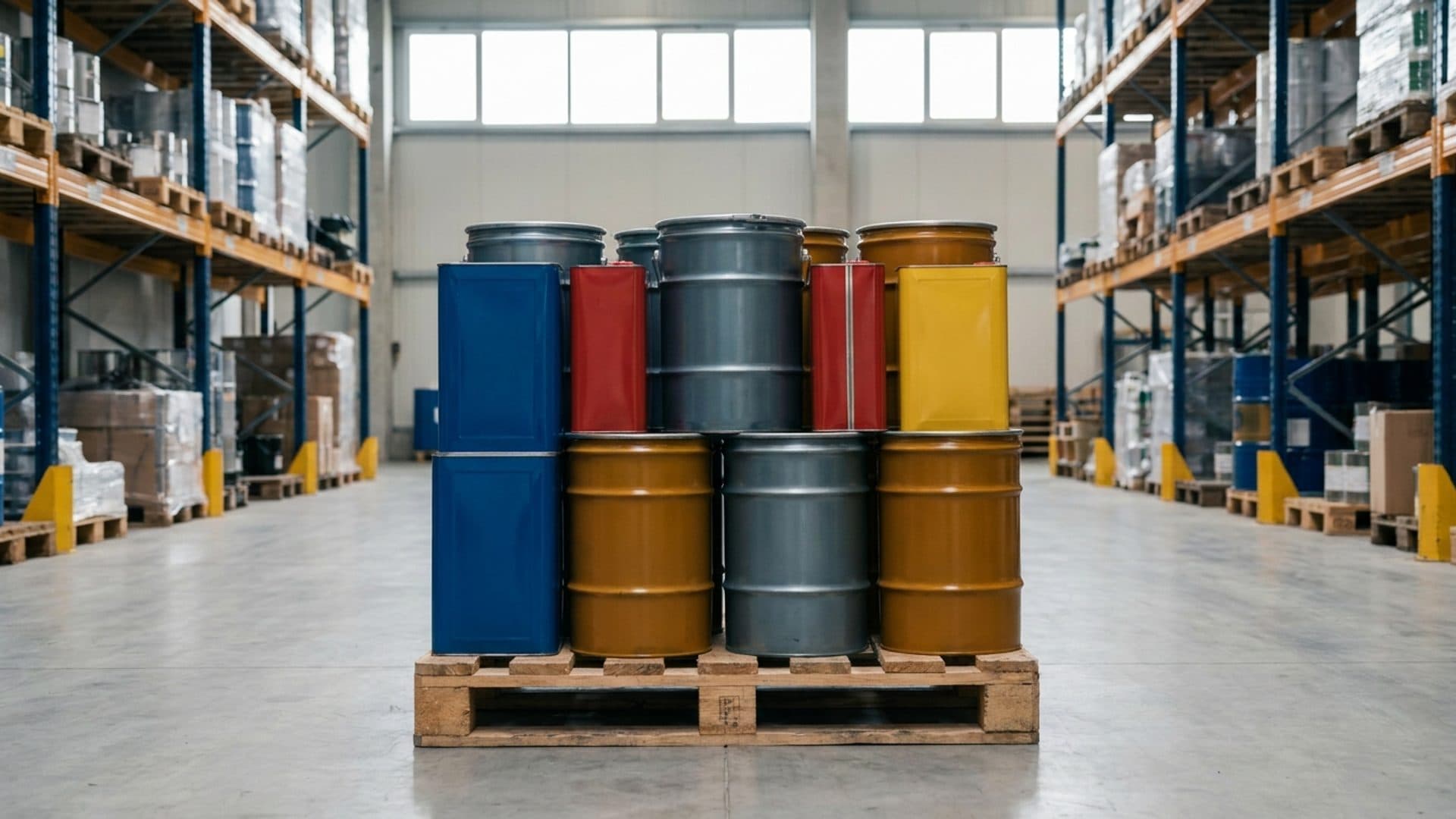
Japan’s Ministry of Health, Labour and Welfare is consulting on substance-specific concentration cut-offs for workplace chemical labelling and safety data sheets (SDS). Consultation 495260231, published on 20 October 2026, remains open for comments.
The proposal concerns mixtures containing specified substances. Its comparative annex has separate columns for labelling and SDS duties, with values expressed as percentages by weight.
Separate Values For Labels And SDS
The comparative annex proposes a 0.3% labelling cut-off and a 0.1% SDS cut-off for lead metal, lead(II) oxide and lead sulphate. These are parallel duty-specific values, not an old-to-new reduction.
Separate rows for lithium hexafluoroarsenate and lithium tetrafluoroborate also show 0.3% for labelling and 0.1% for SDS.
The annex deletes several special entries. Deletion of a special entry does not by itself establish exemption from all labelling or SDS duties; the general hazard-based provisions also require consideration.
Application Proposed For April 2029
The draft overview proposes application on 1 April 2029, with the notice planned for February 2027.
Comments must arrive by 18 November 2026 at 16:00 Japan Standard Time. The consultation itself does not amend the current requirements.
Questions about this change
Are Japan’s proposed 0.3% and 0.1% lead cut-offs an old and new limit?
No. In consultation 495260231, 0.3% by weight is the proposed labelling cut-off and 0.1% is the separate SDS cut-off for lead metal, lead(II) oxide and lead sulphate. The two columns do not describe a reduction from one value to the other.
When would Japan’s proposed workplace chemical cut-off changes apply?
The draft overview proposes 1 April 2029, with publication of the notice planned for February 2027. Comments close on 18 November 2026 at 16:00 Japan Standard Time. These dates remain part of a consultation proposal.

Dr Steven Brennan
CEO and co-founder of Foresight, and a co-opted member of ECHA's Committee for Socio-economic Analysis. He holds a PhD in chemical engineering.
More from Dr Steven BrennanFind out what this means for your products
Foresight follows changes like this one and shows where they reach your substances, products and markets.
 California
Join 3,500+ professionals staying ahead
Foresight Weekly brings the week's regulatory changes across chemicals, product safety, sustainability, ESG and EHS into one email.
Read by professionals at


