 California
California AB 2477 Advances Supervised Structural Pesticide Work Rules
California AB 2477 would create an 80-hour training and supervised outdoor pesticide-work route for eligible applicants from 2028.

Dr Steven Brennan
3 min readAI-drafted, expert reviewed
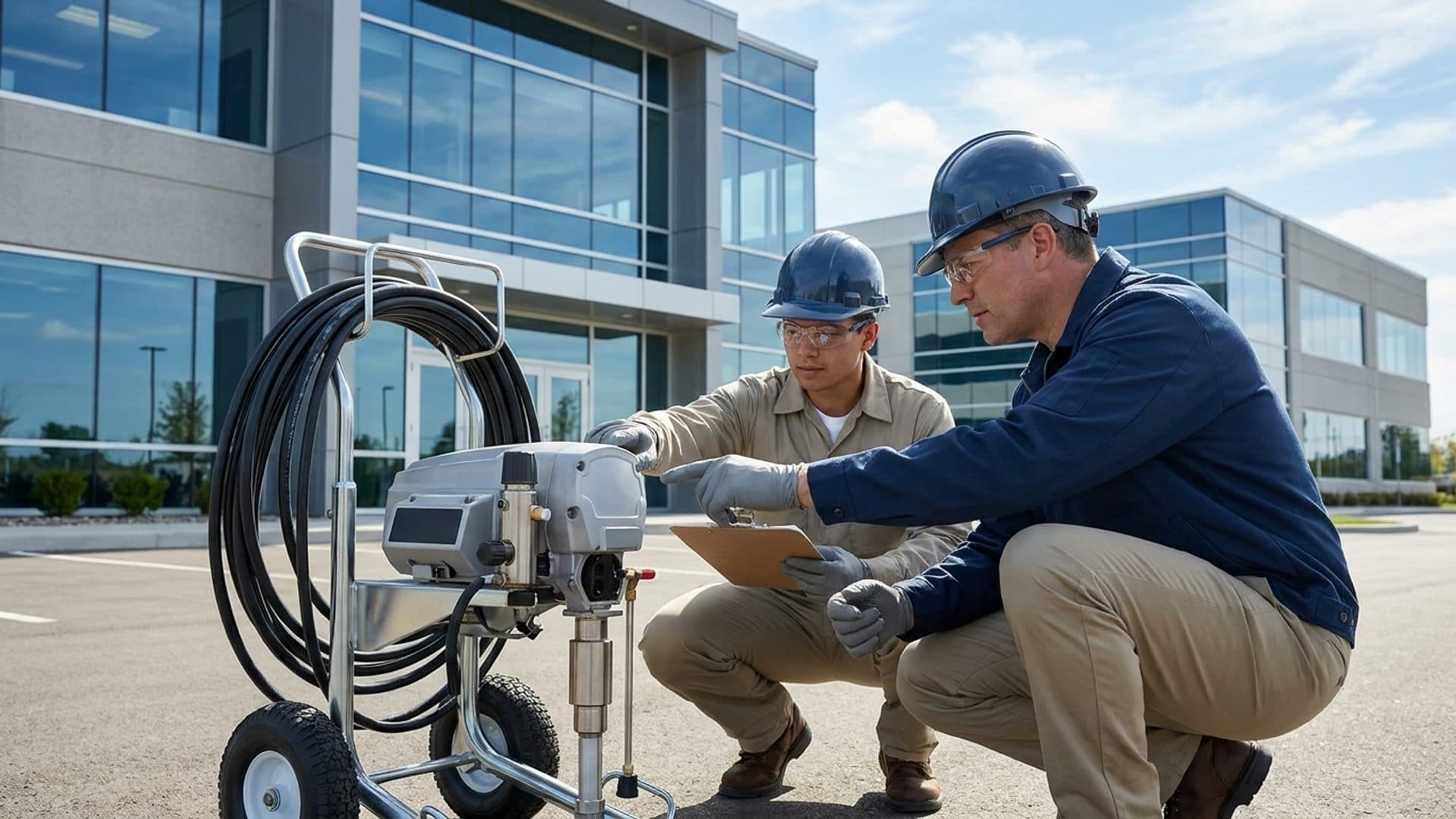
California Assembly Bill 2477 moved to engrossing and enrolling on 28 August after the Assembly concurred in Senate amendments. The proposal would create a supervised route for eligible unlicensed structural pest-control applicants to perform outdoor Branch 2 and Branch 3 pesticide applications for up to 60 days from 1 January 2028.
The bill has passed both legislative chambers but is not law. Governor action remains necessary, and existing licensing rules continue to apply.
California AB 2477 Structural Pest Control Pathway Has Narrow Limits
The pathway would be available once per individual. The person must be employed by a registered company, submit a complete Branch 2 and Branch 3 structural pest-control applicator examination application, receive board approval and complete the required training.
Work would be limited to outdoor applications on exterior structural surfaces, perimeters, landscape and hardscape areas associated with a structure. Interiors, occupied spaces, food-handling areas, attics, crawlspaces, subareas and wall voids are excluded.
Supervision could be provided by a licensed operator or field representative who is physically present and immediately able to intervene. It could also occur through immediate audio and video communication where the supervisor has customer information and can direct onsite personnel. The authorisation would end upon licence issue, application denial, examination failure or expiry of 60 days, whichever comes first. It could not be renewed.
Training Covers Labels, Exposure And Personal Protective Equipment
Applicants would need at least 80 hours of documented in-person pesticide application training under direct supervision. Required content includes consumer protection, product labels, safety data sheets, restricted-use status, site preparation, equipment, personal protective equipment, decontamination, exposure routes, overexposure symptoms, hazard communication and employee rights.
Registered companies and supervising licensees would retain evidence for at least three years. Records must cover training dates, total hours, training type, subjects, the responsible licensee's name and signature, and proof of completion. They must be available to the board, Department of Pesticide Regulation, county agricultural commissioner or applicant on request.
Senate amendments removed earlier notification provisions. The final text centres on board approval, supervision, training and records. The pathway would still prohibit indoor work, and separate controls on federally restricted-use pesticides and California restricted materials would remain.
Remote audio-video supervision may help small operators deploy trainees, but it creates an evidence and connectivity risk. A company should be able to show that the supervisor had the site information and practical capacity to intervene for each application.
Practical Actions For Pest-Control Employers
Companies should keep current licensing and occupational health and safety controls unchanged while monitoring Governor action. If the bill is signed, they should prepare an 80-hour curriculum, approval checks, work-scope rules and a standard supervision log before 2028.
Supervisors should distinguish direct training from later supervised work. Customers and pesticide suppliers may also need clear role information so restricted products are not released or applied outside applicable permits and labels.
Official source
California Legislature, Assembly Bill 2477, legislative action of 28 August 2026leginfo.legislature.ca.gov
Questions about this change
Can an unlicensed applicant work indoors under AB 2477?
No. The proposed authorisation is limited to outdoor applications associated with a structure. It excludes occupied spaces, food-handling areas, attics, crawlspaces, subareas, wall voids and other enclosed interiors.
Does passing the Legislature make the new pathway available now?
No. AB 2477 still requires Governor action. The new section would become operative on 1 January 2028, so companies must continue to apply current licensing, training and supervision requirements.

Dr Steven Brennan
CEO and co-founder of Foresight, and a co-opted member of ECHA's Committee for Socio-economic Analysis. He holds a PhD in chemical engineering.
More from Dr Steven BrennanFind out what this means for your products
Foresight follows changes like this one and shows where they reach your substances, products and markets.
 Saudi Arabia
Join 3,500+ professionals staying ahead
Foresight Weekly brings the week's regulatory changes across chemicals, product safety, sustainability, ESG and EHS into one email.
Read by professionals at


