 Italy
Italy
Italian Textile EPR Draft Clears Key Intergovernmental Stage
Italy's Unified Conference has backed a draft textile EPR regulation, but the proposal is not yet adopted.

Dr Steven Brennan
2 min readAI-drafted, expert reviewed
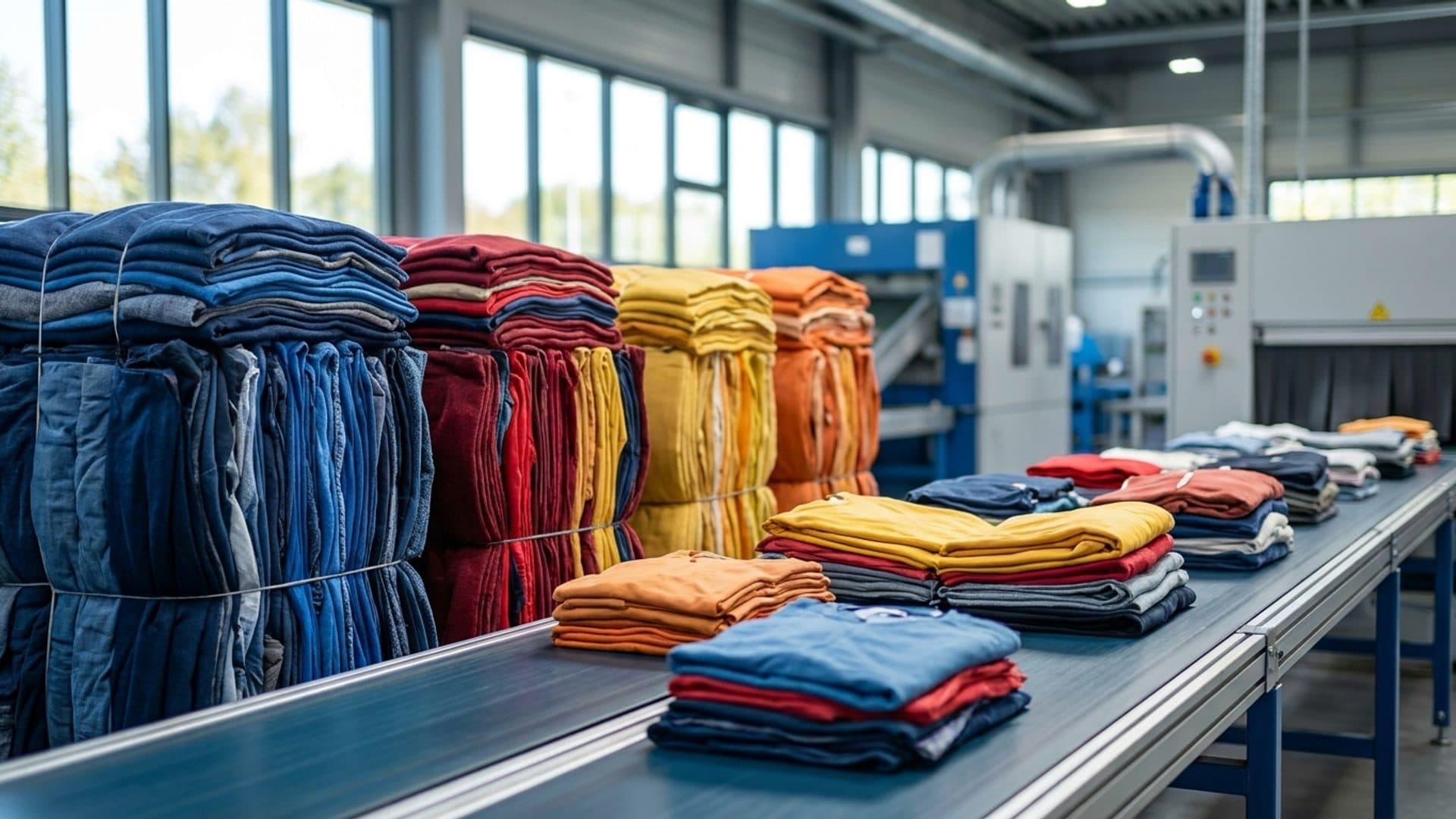
Italy's Unified Conference issued a favourable opinion on 23 July 2026 on a draft textile Extended Producer Responsibility regulation prepared by the Ministry of Environment and Energy Security. The decision advances the proposal but does not adopt it. No commencement date has been confirmed, so manufacturers and retailers should prepare without presenting proposed duties as law.
Who Could Be A Textile EPR Producer
The draft uses a broad producer concept focused on the party first placing covered goods on the Italian market. The official record identifies clothing, footwear, accessories, leather goods and household textiles. Contract terms may need to identify which entity is the first placer, who supplies product and sales data, and who funds compliance. Businesses should also map cross-border distance sales and distribution models rather than assuming the factory automatically carries textile EPR responsibility.
Collection, Traceability And Ecodesign
Under the emerging textile EPR framework, producers would support and organise post-consumer collection, potentially through collective systems. The proposal also emphasises traceability of material flows, transparent consortium governance and fair competition.
MASE links the reform with durability, repairability and recycled content. That suggests future fee structures and commercial incentives could reward circular design, although final eco-modulation rules, targets, exemptions and payment dates still require adopted text. Recyclers and sorting operators may gain more predictable feedstock, while brands could face new data, financing and oversight costs.
What Businesses Should Do Next
Companies should create a product and entity map, estimate Italian market volumes, review online sales, examine collection options and preserve evidence on recycled content and repairability. Procurement and legal teams should monitor final adoption and avoid building budgets around unconfirmed rates or dates.
The new official trigger is the favourable intergovernmental opinion, not an enacted producer-responsibility obligation.
Official source
Italian Ministry of Environment and Energy Security, textile EPR announcement, 23 July 2026mase.gov.it
Questions about this change
Which Products Are Covered By The Italian Textile EPR Draft?
The Conference record describes clothing, footwear, accessories, leather goods and household textiles. Definitions may change before adoption. Businesses should classify Italian sales against the eventual legal text and avoid relying on product categories summarised in the ministry's announcement for decisions.
Is Italian Textile EPR Already Legally Binding?
No. On 23 July 2026, the Unified Conference rendered an opinion on a draft regulation and MASE described it as favourable. The regulation still requires final adoption and publication. No commencement date, fee schedule or compliance timetable was identified on 27 July 2026.

Dr Steven Brennan
CEO and co-founder of Foresight, and a co-opted member of ECHA's Committee for Socio-economic Analysis. He holds a PhD in chemical engineering.
More from Dr Steven BrennanFind out what this means for your products
Foresight follows changes like this one and shows where they reach your substances, products and markets.
 California
 European Economic Area
 United States
Join 3,500+ professionals staying ahead
Foresight Weekly brings the week's regulatory changes across chemicals, product safety, sustainability, ESG and EHS into one email.
Read by professionals at


