 California
California AB 904 Advances Carpet EPR And Product Disclosure Changes
California AB 904 would reshape carpet stewardship through producer duties, chemical disclosure, collection, marking and recycled content.

Dr Steven Brennan
3 min readAI-drafted, expert reviewed
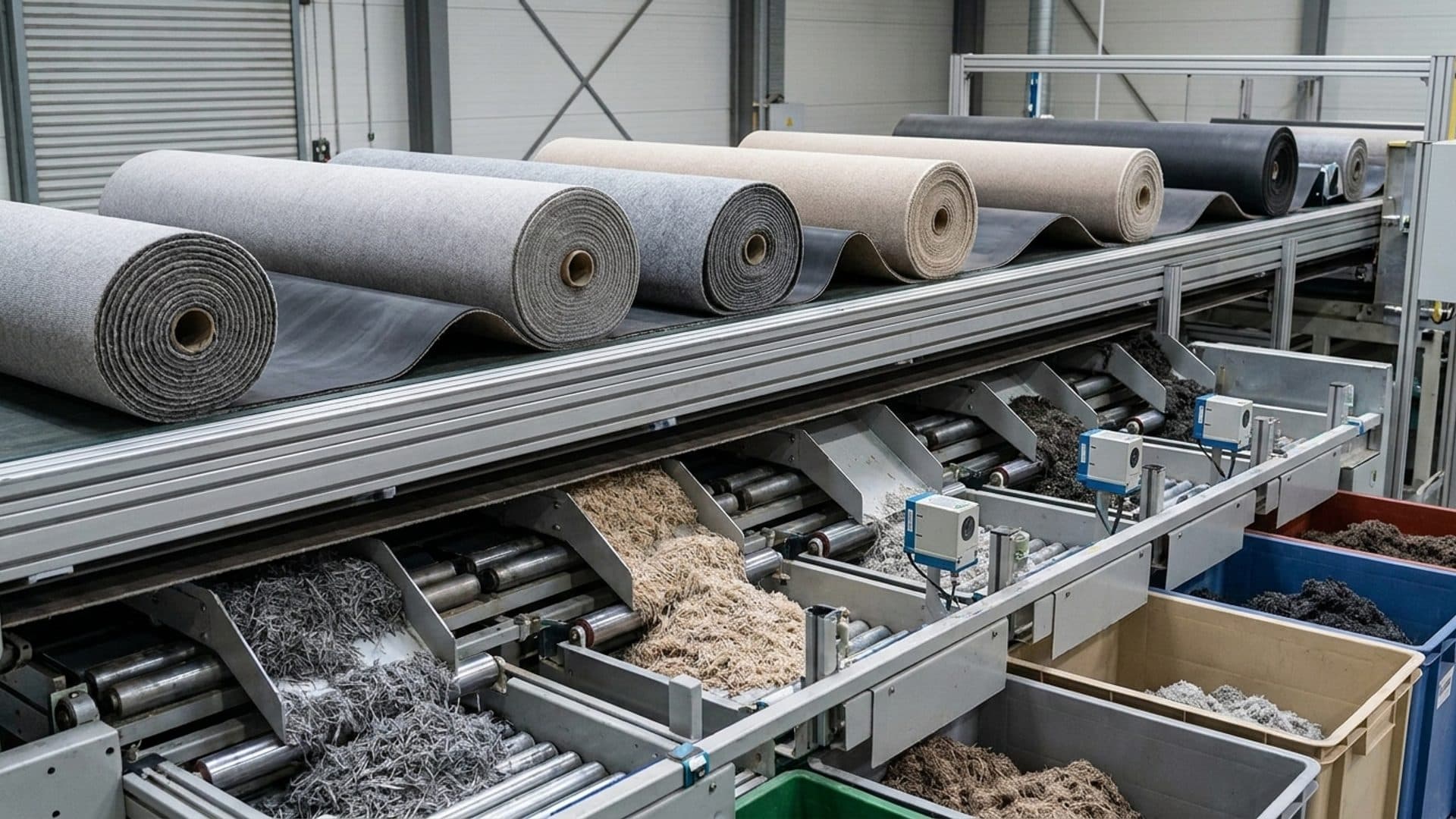
California Assembly Bill 904 would redesign the state's carpet recycling programme around extended producer responsibility, product composition disclosure, collection access and recycled content. The Senate amended the bill on 27 August 2026 and ordered it to third reading on 28 August, but it remains proposed legislation rather than a current compliance rule.
California AB 904 Carpet EPR Defines Responsibility And Product Data
The bill establishes a producer hierarchy beginning with the carpet manufacturer, then moving through the brand owner, importer, distributor or retailer where earlier entities do not meet the statutory definition. Carpet excludes rugs, pads, cushions, underlayments and compostable carpet.
Producers would disclose on a public website components representing more than 1% of carpet by weight and intentionally added chemicals appearing on the Department of Toxic Substances Control Candidate Chemicals list. Protected trade secrets would be exempt. The producer responsibility organisation would have a 14-member voting board representing specified interests.
CalRecycle would adopt regulations by 1 January 2029. The programme plan would be due within 12 months after those regulations take effect, making the operational start dependent on later rulemaking rather than the bill's passage alone.
Collection, Marking And Recycled Content Reshape The Value Chain
The proposal requires free drop-off collection through sites such as recycling centres, municipal facilities, retailers, regional distribution centres and solid-waste facilities. Sites would generally need to be available for at least 20 hours across four days each week, with Saturday access requirements and geographic coverage across counties.
Carpet would need standardised back marking identifying the producer, production date, face fibres and backing. That requirement would become operative six months after the regulations take effect or on 1 July 2028, whichever is later.
By 2028, carpet would need at least 5% postconsumer recycled carpet content, with CalRecycle able to set later rates. The text also sets a 20% reuse objective for conventional carpet by 2028. Installers would face a transport duty no later than 1 January 2029 for removed carpet to reach an approved collection site, subject to a producer-return exception.
What Changed And What Remains Unchanged
The 27 August amendments refine the developing Senate version while retaining the core producer-responsibility structure, chemical and component disclosure, collection network and product-design measures. Existing daily penalty provisions of up to US$10,000, or US$25,000 for knowing or intentional violations, remain part of the wider enforcement framework but do not make the unpassed amendments binding.
The proposed website disclosure and back marking create a shared product-data problem. Fibre, backing, chemical and producer identity information will need to remain consistent across formulation records, labels, public disclosures, recycler sorting and stewardship reports.
Practical Stakeholder Actions
Map California carpet brands to the producer hierarchy and inventory current fibre, backing and Candidate Chemical data. Test whether disclosure evidence can be published without exposing valid trade secrets. Model 5% recycled-content sourcing, collection coverage and installer logistics. Continue complying with the existing programme while monitoring final passage, gubernatorial action and CalRecycle regulations.
Official source
California Legislature, Assembly Bill 904, Senate amendment of 27 August 2026leginfo.legislature.ca.gov
Questions about this change
Would AB 904 cover rugs and carpet underlay?
No. The current text excludes rugs, pads, cushions, underlayments and compostable carpet from the carpet definition. Businesses should still verify whether other products or components fall within separate California waste, chemicals or product-safety requirements.
When would the proposed carpet duties apply?
Timing varies. CalRecycle regulations would be due by 1 January 2029, the programme plan follows within 12 months of their effective date, and marking, recycled-content and installer duties have separate statutory or regulation-linked dates. None applies unless the bill is enacted.

Dr Steven Brennan
CEO and co-founder of Foresight, and a co-opted member of ECHA's Committee for Socio-economic Analysis. He holds a PhD in chemical engineering.
More from Dr Steven BrennanFind out what this means for your products
Foresight follows changes like this one and shows where they reach your substances, products and markets.
 Italy
Italy
 United States
 European Economic Area
Join 3,500+ professionals staying ahead
Foresight Weekly brings the week's regulatory changes across chemicals, product safety, sustainability, ESG and EHS into one email.
Read by professionals at


