 Great Britain
GB Draft POPs Rules Propose December Start And Material-Specific Transitions
Draft GB POPs amendments propose a 16 December 2026 start, new substance listings and revised trace-contaminant limits. A temporary higher MCCP threshold is confined to articles made using recovered cable-recycling material.

Dr Steven Brennan
2 min readAI-drafted, expert reviewed
Draft Amendments Propose A December Start
The UK government's draft Persistent Organic Pollutants (Amendment) Regulations 2026 propose changes for England, Wales and Scotland from 16 December 2026. The instrument remains a draft requiring parliamentary approval; the proposed date is not an enacted commencement date.
The text adds entries for chlorpyrifos, Dechlorane Plus, long-chain perfluorocarboxylic acids and related substances, medium-chain chlorinated paraffins (MCCPs), and UV-328. It also revises existing provisions for PFOS and polybrominated diphenyl ethers (PBDEs).
MCCP Transition Is Specific To Cable-Recycling Material
The proposed MCCP trace-contaminant limits are 3% by weight in substances or mixtures and 0.45% in articles. These limits apply to the sum of the specified C14–17 linear chloroalkanes, using the molecular definitions in the entry.
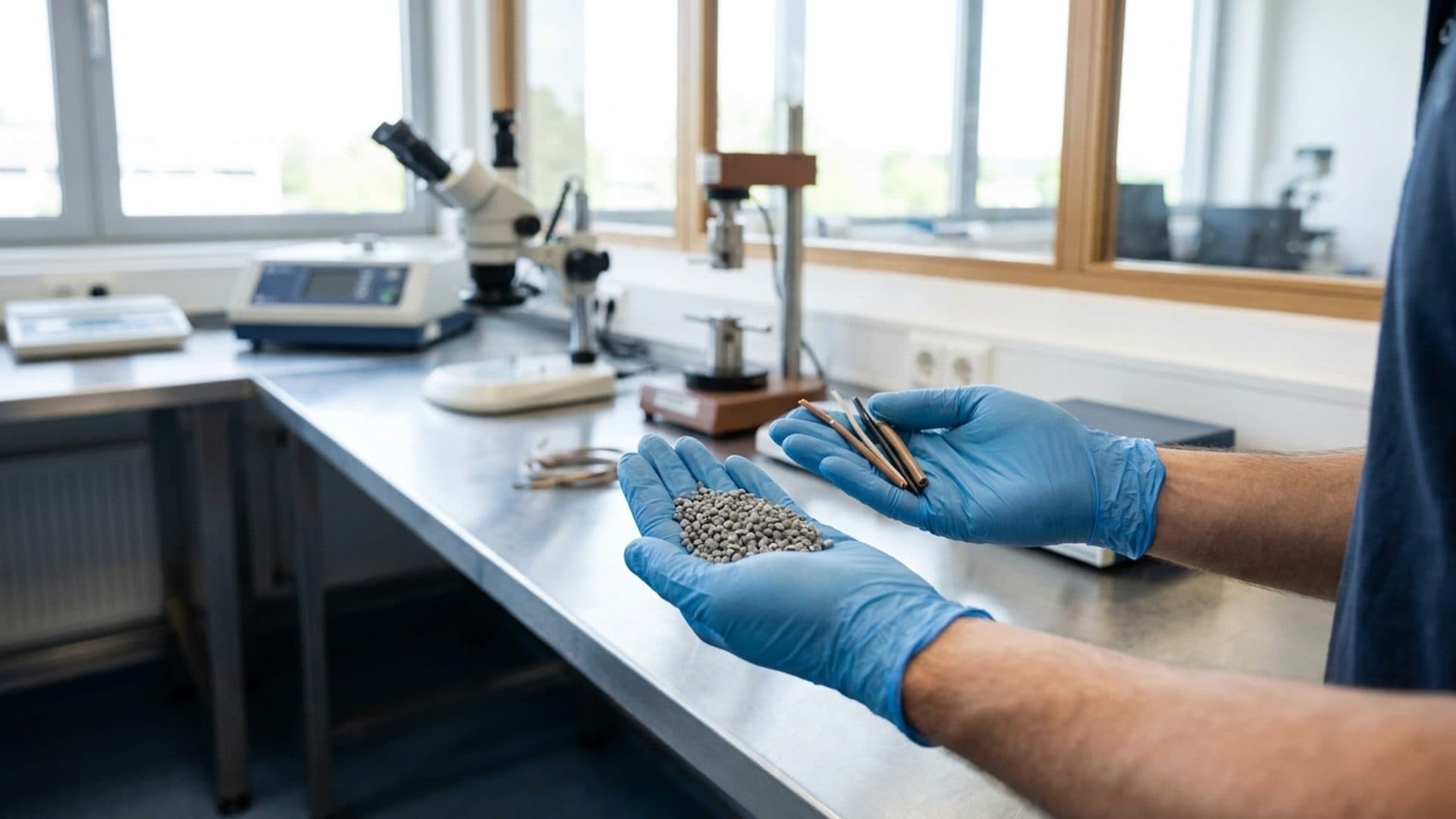
A temporary 2% limit would apply to articles produced using recovered material from cable recycling until 16 December 2028. The provision does not extend that higher threshold to recovered materials generally.
Separate derogations would allow specified MCCP applications until 16 December 2031. These include certain flexible PVC uses, underground coal-mine conveyor belts and thermal-insulation foam. The PVC packaging derogation excludes food packaging, while the construction provision excludes flooring in indoor spaces not used commercially.
PBDE Limits Distinguish Recovered And Children's Materials
For the five listed PBDE groups, the draft proposes a combined 10 mg/kg limit in mixtures and articles. For qualifying recovered materials, it provides 350 mg/kg until 29 December 2027 and 200 mg/kg from 30 December 2027.
Toys and the specified childcare products made with recovered material have a shorter transition: 350 mg/kg until 16 May 2027, then 10 mg/kg from 17 May. Food-contact materials subject to Regulation (EC) No 1935/2004 are excluded from these trace-limit provisions.
The draft also contains substance-specific derogations for long-lived applications and replacement parts. For Dechlorane Plus, for example, aerospace, space and defence applications would be allowed until 26 February 2030, with separate provisions governing replacement parts and repairs.
Material Origin Determines The Applicable Threshold
Foresight analysis. The cable-specific MCCP provision makes recovered-material provenance relevant to selecting a threshold. Suppliers and manufacturers should retain evidence of that origin alongside concentration data, and treat the proposed limits as planning assumptions until the final instrument is confirmed.
Questions about this change
Are the December POPs changes already binding?
The instrument checked on 19 October 2026 remains a draft. It proposes commencement on 16 December 2026, subject to completion of the legislative process.
Does the higher MCCP limit cover all recycled articles?
The draft 2% transition specifically covers articles produced using recovered material from cable recycling, until 16 December 2028.

Dr Steven Brennan
CEO and co-founder of Foresight, and a co-opted member of ECHA's Committee for Socio-economic Analysis. He holds a PhD in chemical engineering.
More from Dr Steven BrennanFind out what this means for your products
Foresight follows changes like this one and shows where they reach your substances, products and markets.
Join 3,500+ professionals staying ahead
Foresight Weekly brings the week's regulatory changes across chemicals, product safety, sustainability, ESG and EHS into one email.
Read by professionals at


