
 European Economic Area
EU Regulation 2026/1963 defines the evidence that steel importers must use for country-of-melt-and-pour declarations from 1 October 2026.

3 min readAI-drafted, expert reviewed
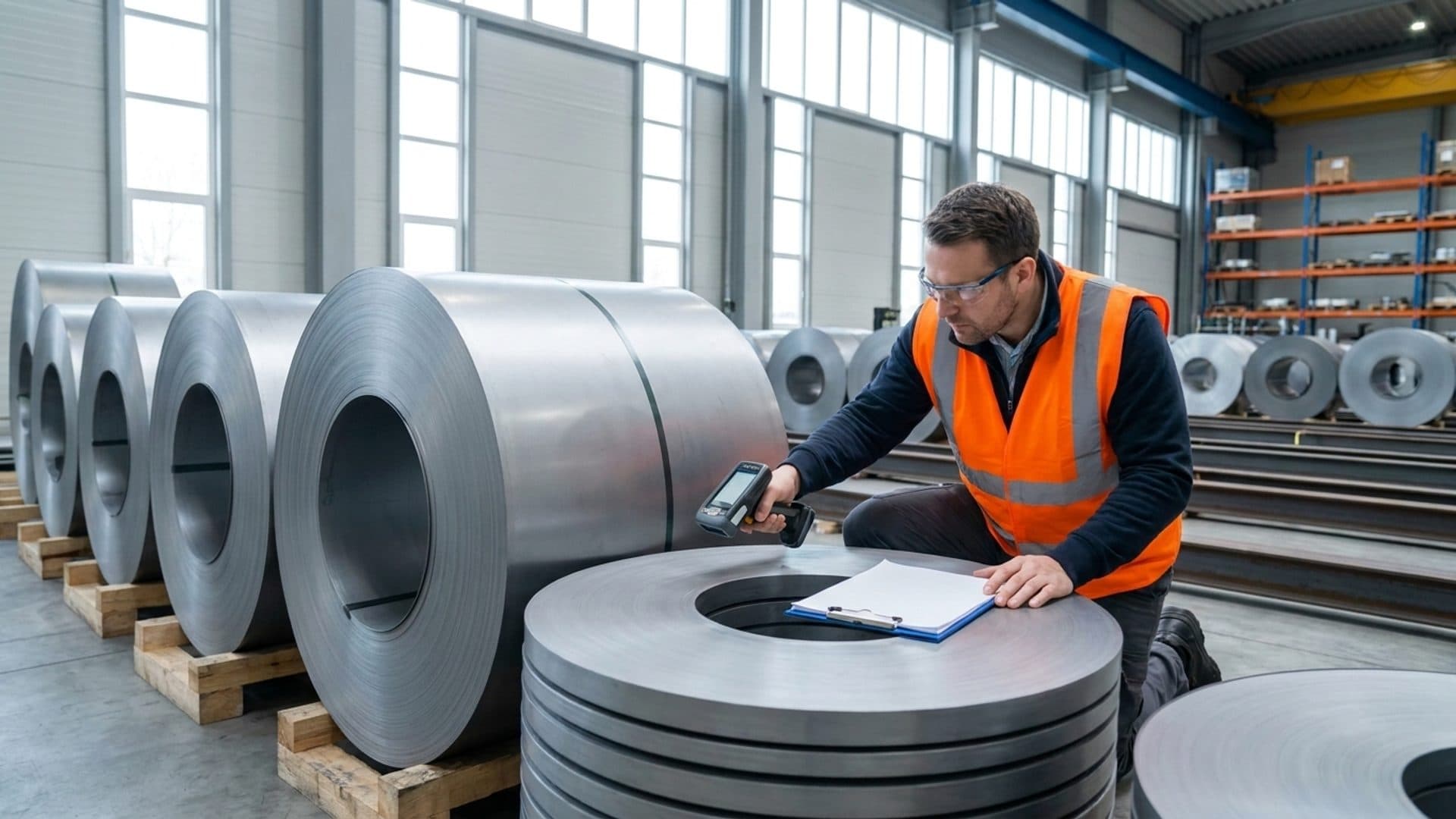
Commission Implementing Regulation (EU) 2026/1963 requires importers of covered steel products to provide evidence of the country of melt and pour when goods enter the European Union from 1 October 2026. Published on 31 August, the binding measure defines acceptable documents and requires customs authorities to reject an import when appropriate verifiable evidence does not support the declaration.
The rule implements Regulation (EU) 2026/1384, which introduced steel quotas, a 50% out-of-quota duty and supply-chain transparency requirements. It defines melt and pour as the original location where raw steel or iron is produced in liquid form and cast into its first solid state, including after scrap is remelted.
The standard document is a Mill Test Certificate stating both the country of melt and pour and the imported steel's heat number. If one data point is missing, customs may accept complementary evidence such as invoices, delivery notes, quality certificates, implemented contract clauses, long-term supplier declarations, production records, export-country customs documents, commercial correspondence or production descriptions.
For a limited transition, those document types may stand alone when no Mill Test Certificate is available, provided they contain both the country and heat number. That option applies from 1 October 2026 to 30 September 2027. From 1 October 2027, the Mill Test Certificate becomes the required base document that other records may complete.
Where alternative evidence is used, customs must conduct documentary checks. The Commission notes that this can delay access to the relevant tariff rate. Importers will declare the country through TARIC document codes.
The Steel Regulation created the declaration duty but left the precise evidence framework to an implementing act. Regulation 2026/1963 now supplies that framework. It keeps flexibility during the first year because Mill Test Certificates are widely recognised but not harmonised and may omit required fields.
The underlying quota and duty system and the product scope in Annex I to Regulation (EU) 2026/1384 remain unchanged. The new act does not create a product-quality standard, a carbon threshold or a country-of-origin preference. Its focus is traceable evidence.
The heat number will become the practical join key across mills, traders and customs files. Importers that store country data only at supplier level may struggle to prove the origin of a consignment when coils, slabs or finished products pass through several intermediaries.
Importers should map covered tariff categories, amend supplier instructions and test whether Mill Test Certificates carry both mandatory data points. Mills and traders should preserve heat-number continuity through invoices, delivery notes and contracts. These controls should form part of wider supply-chain due diligence.
Customs teams should configure TARIC coding and an escalation route for missing or inconsistent evidence. Downstream manufacturers and buyers should confirm that evidence is available before relying on delivery dates because a rejected or delayed shipment can affect production planning even where the buyer is not the customs declarant.
Official source
Official Journal of the European Union, Commission Implementing Regulation (EU) 2026/1963 (31 August 2026)eur-lex.europa.eu
No. From 1 October 2027, importers need a Mill Test Certificate as the base document. An invoice or another listed record may still complete it when the certificate omits the country of melt and pour or the heat number.
Customs authorities must reject an import when appropriate verifiable evidence does not support the declaration. Alternative documents also trigger documentary checks, which can delay access to the relevant tariff rate.

Dr Steven Brennan
CEO and co-founder of Foresight, and a co-opted member of ECHA's Committee for Socio-economic Analysis. He holds a PhD in chemical engineering.
More from Dr Steven BrennanForesight follows changes like this one and shows where they reach your substances, products and markets.
Foresight Weekly brings the week's regulatory changes across chemicals, product safety, sustainability, ESG and EHS into one email.
Read by professionals at


 South Korea