 European Union
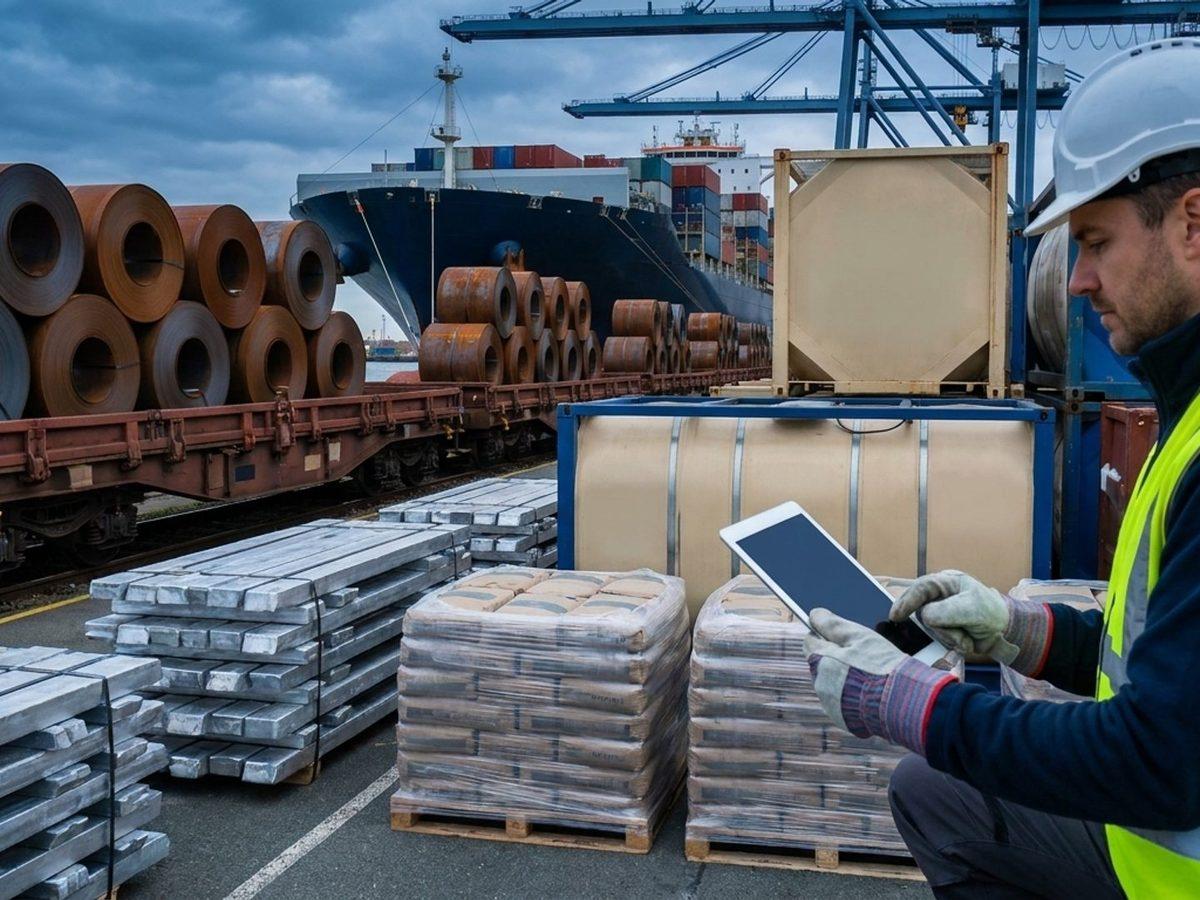
EU Sets CBAM Rules For Deducting Carbon Prices Paid Abroad
New EU CBAM rules specify how carbon prices paid in third countries reduce certificate obligations, including payment evidence, rebates and currency conversion.
Foresight
2 min readAI-drafted, expert reviewed
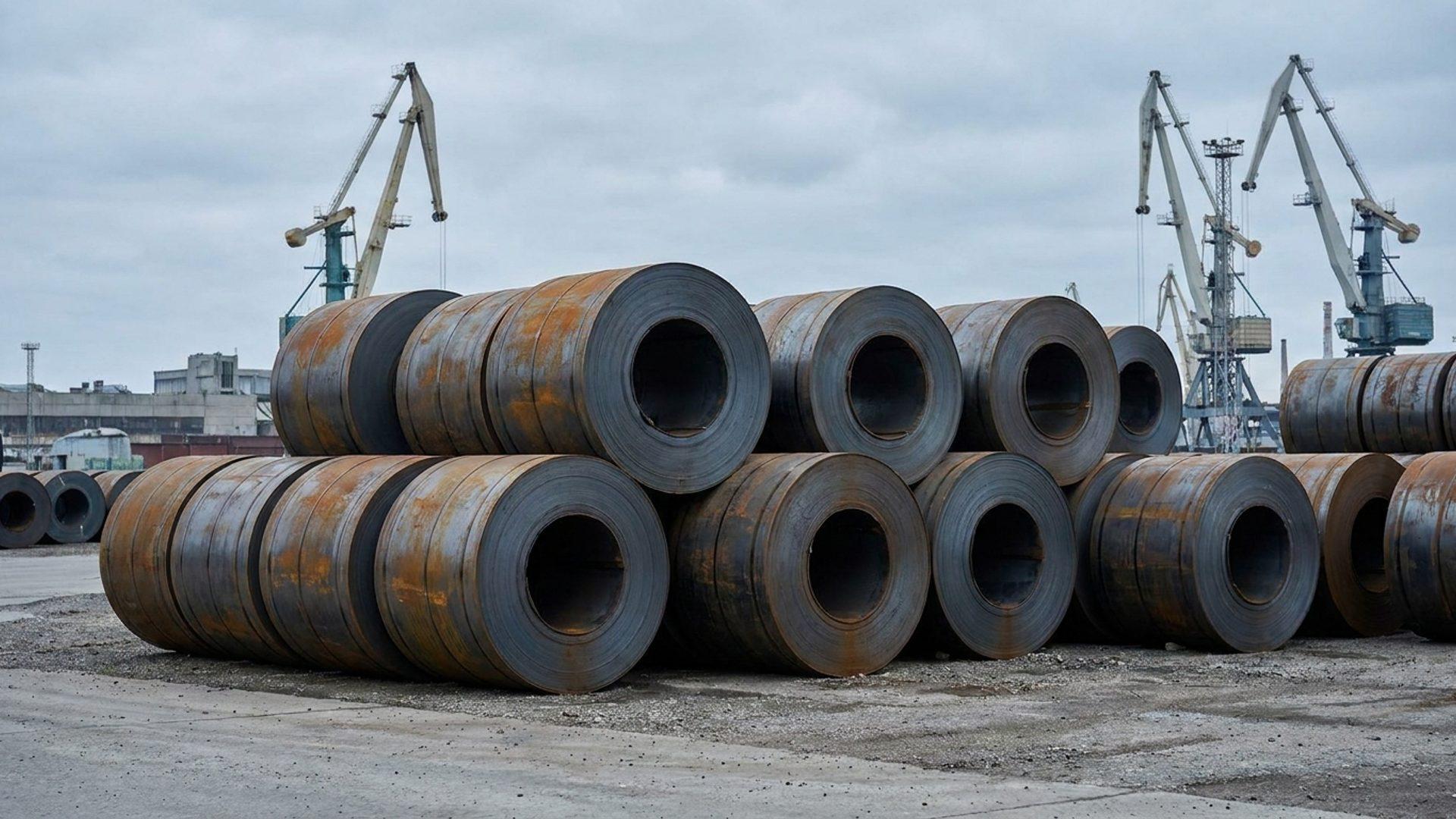
The European Commission has published detailed rules for converting carbon prices paid in third countries into reductions in EU Carbon Border Adjustment Mechanism certificate obligations. Implementing Regulation (EU) 2026/2498 addresses the calculation, supporting evidence and independent certification.
The regulation was adopted on 5 November 2026 and published on 16 November. It enters into force on 19 November, but expressly applies from 1 January 2026.
Existing Deduction Right Gets Detailed Rules
The regulation explains that the underlying CBAM framework already allows authorised declarants to seek a reduction corresponding to the carbon price effectively paid abroad for declared embedded emissions. The purpose is to avoid charging twice for the same emissions.
For claims based on the carbon price actually paid, Article 3 requires installation operators to calculate the effective carbon price using the methodology in Annex I. They must account for the rebates and other compensation specified by the regulation.
Article 6 requires conversion into euros using the Commission's published annual average exchange rate for the relevant reporting year.
Where embedded emissions use default values, the deduction must use the relevant Commission default carbon price. Declarants using actual emissions may also choose that default-price route, as recital 5 explains.
Evidence For The Actual-Price Route
For the actual-price route, Article 8 requires the operator to prepare a carbon-price report using the Commission's electronic template. It must contain at least the information in Annex III and be written in English.
The report goes to the independent certifier through the CBAM registry where the operator is registered. Operators outside the registry may transmit it by other appropriate means.
Rebates And Compensation
Article 9 identifies reduced carbon-tax rates, emissions exemptions, free allowances and monetary reimbursements among the adjustments that must be considered.
It also provides a conditional exception for certain grants funded from carbon-pricing revenues and intended to reduce installation emissions. Those grants are excluded from the rebate calculation only when all the conditions in Article 9(3) are met, including verification, eligibility and public-disclosure requirements.
Questions about this change
What evidence do the EU's new CBAM carbon-price deduction rules require from installation operators?
For the actual-price route, article 8 of Regulation (EU) 2026/2498 requires an English-language carbon-price report using the Commission's electronic template and containing at least the Annex III information. The report is provided to an independent certifier through the CBAM registry if the operator is registered, or by other appropriate means if it is not.
Do rebates reduce the carbon price deductible under the EU's CBAM rules?
The calculation must account for the rebates and compensation specified in Articles 3 and 9, including relevant free allowances and reimbursements. Article 9(3) excludes certain emissions-reduction grants funded from carbon-pricing revenues only where all its conditions are met.
Find out what this means for your products
Foresight follows changes like this one and shows where they reach your substances, products and markets.

Join 3,500+ professionals staying ahead
Foresight Weekly brings the week's regulatory changes across chemicals, product safety, sustainability, ESG and EHS into one email.
Read by professionals at


