
 China
China
China Brings 40 Mandatory Personal Protective Equipment Standards Into Force
Forty Chinese mandatory PPE standards now apply across eight protection fields after a 12-month transition.

Dr Steven Brennan
3 min readAI-drafted, expert reviewed
China's State Administration for Market Regulation has confirmed that 40 mandatory personal protective equipment standards took effect on 1 September 2026. The 12-month transition has ended, making the new technical provisions relevant now to manufacturers, sellers and employers across eight protection fields.
China Mandatory PPE Standards Cover Eight Protection Fields
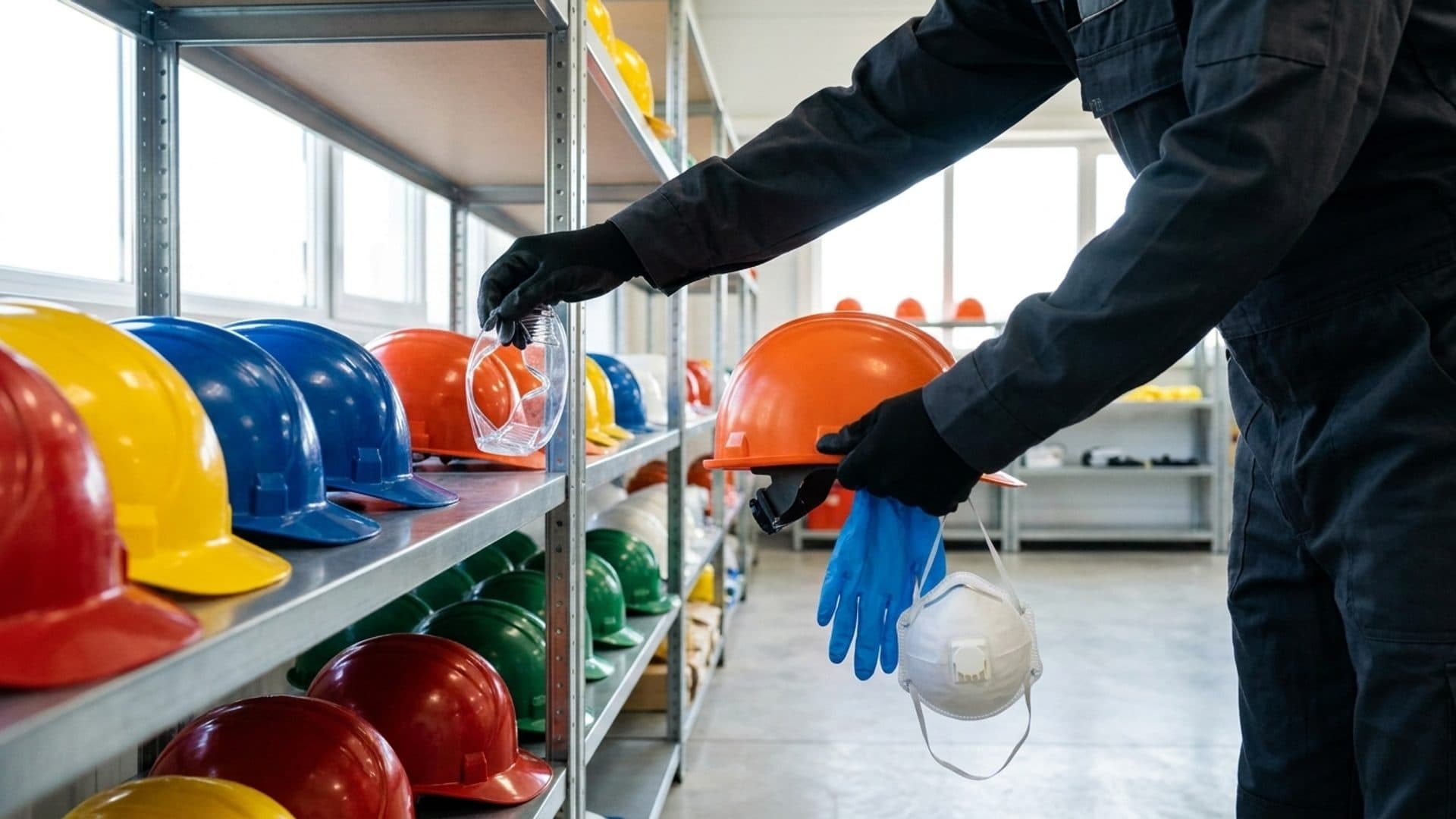
The portfolio covers eye and face, hearing, respiratory, head, hand, foot, protective clothing and fall protection. It addresses product quality and safety as well as selection, use and maintenance. Products include laser and welding eye protection, compressed-air and oxygen escape respirators, earplugs and earmuffs, antistatic caps, protective footwear, chemical protective clothing, fall-arrest connectors and energy absorbers.
The regulator highlighted measurable performance requirements. Antistatic work caps must dissipate more than half their charge within four seconds. Polyurethane footwear uppers must not crack after 150,000 flexes. A fall-protection energy absorber must withstand a 15 kilonewton load without breaking. These examples are not substitutes for reviewing the complete standard applicable to each product.
One change has a wider workplace-management effect. The standard on selecting, using and maintaining head protection has moved from a recommended standard to a mandatory one. It includes selection, use, maintenance and rejection requirements, connecting product compliance with employer control of PPE after purchase.
What Changed And What Remains Unchanged
The new trigger is application, not publication. The standards were approved earlier, but their 12-month implementation transition expired on 1 September. Manufacturers must therefore ensure PPE produced under the new regime satisfies the mandatory provisions. Sellers must review and deal with inventory and must not continue selling non-compliant products.
Employers must procure and select compliant equipment for the relevant job risk, maintain inspection and replacement systems, and require correct wear and use. Existing work-safety duties, sector rules and any product certification requirements continue to apply. The announcement does not create a further grace period or state that meeting one headline test establishes full compliance.
Implications Across PPE Supply Chains
Manufacturers should map each model, component and test report to the precise new standard, including changed editions and marking or instruction requirements. Importers and distributors should obtain current conformity evidence and identify old inventory that can no longer be supplied. Retailers and online marketplaces should update listing controls so discontinued claims or obsolete test references do not remain visible.
Employers should revise approved-product lists, tender specifications and inspection criteria. High-risk sites should also check whether training and replacement rules reflect the standards covering equipment selection and maintenance.
Inference: the regulator's emphasis on production, circulation and workplace use indicates that enforcement risk is unlikely to stop at factory testing. Documentary traceability, stock control and evidence of correct employer selection are likely to matter during market surveillance and workplace inspections.
Practical Actions
Create a product-by-standard transition register, quarantine unsupported stock, confirm laboratories tested to the current edition and update supplier declarations. Employers should revalidate PPE risk assessments, procurement specifications, user training and inspection schedules immediately.
Related Foresight coverage includes China's chemical industry standards, the small-enterprise safety standard and the Great Britain PPE designated standards update.
Questions about this change
Are All Chinese PPE Standards Now Mandatory?
No. The announcement concerns a defined portfolio of 40 mandatory national standards. Businesses must identify the exact standard for each product and use. Other Chinese standards may remain recommended or apply through separate laws, certification schemes, contracts or sector requirements.
Can Sellers Continue Supplying Stock Made During The Transition?
The regulator says sellers must comprehensively review and deal with inventory and must not continue selling products that fail the new standards. Suppliers should obtain product-specific evidence before treating older stock as compliant, because manufacture date alone does not establish conformity.

Dr Steven Brennan
CEO and co-founder of Foresight, and a co-opted member of ECHA's Committee for Socio-economic Analysis. He holds a PhD in chemical engineering.
More from Dr Steven BrennanFind out what this means for your products
Foresight follows changes like this one and shows where they reach your substances, products and markets.
 Great Britain
 United States
Join 3,500+ professionals staying ahead
Foresight Weekly brings the week's regulatory changes across chemicals, product safety, sustainability, ESG and EHS into one email.
Read by professionals at


