 California
California SB 811 Passes Legislature With Metal Shredding Facility Controls
California SB 811 would create permits, annual inspections and emergency controls for metal shredding facilities if enacted.

Dr Steven Brennan
3 min readAI-drafted, expert reviewed
California Senate Bill 811 passed the Legislature on 30 August when the Senate concurred in Assembly amendments by 35 votes to one. The proposal would establish a dedicated Department of Toxic Substances Control regime for metal shredding facilities, but it is not law and creates no new compliance duty unless the Governor signs it.
The bill responds to disputes over whether treated metal shredder residue should be regulated as hazardous or solid waste. It would repeal the existing special provisions and create a separate permitting, operating, fee and enforcement chapter.
California SB 811 Metal Shredding Facilities Would Need Dedicated Permits
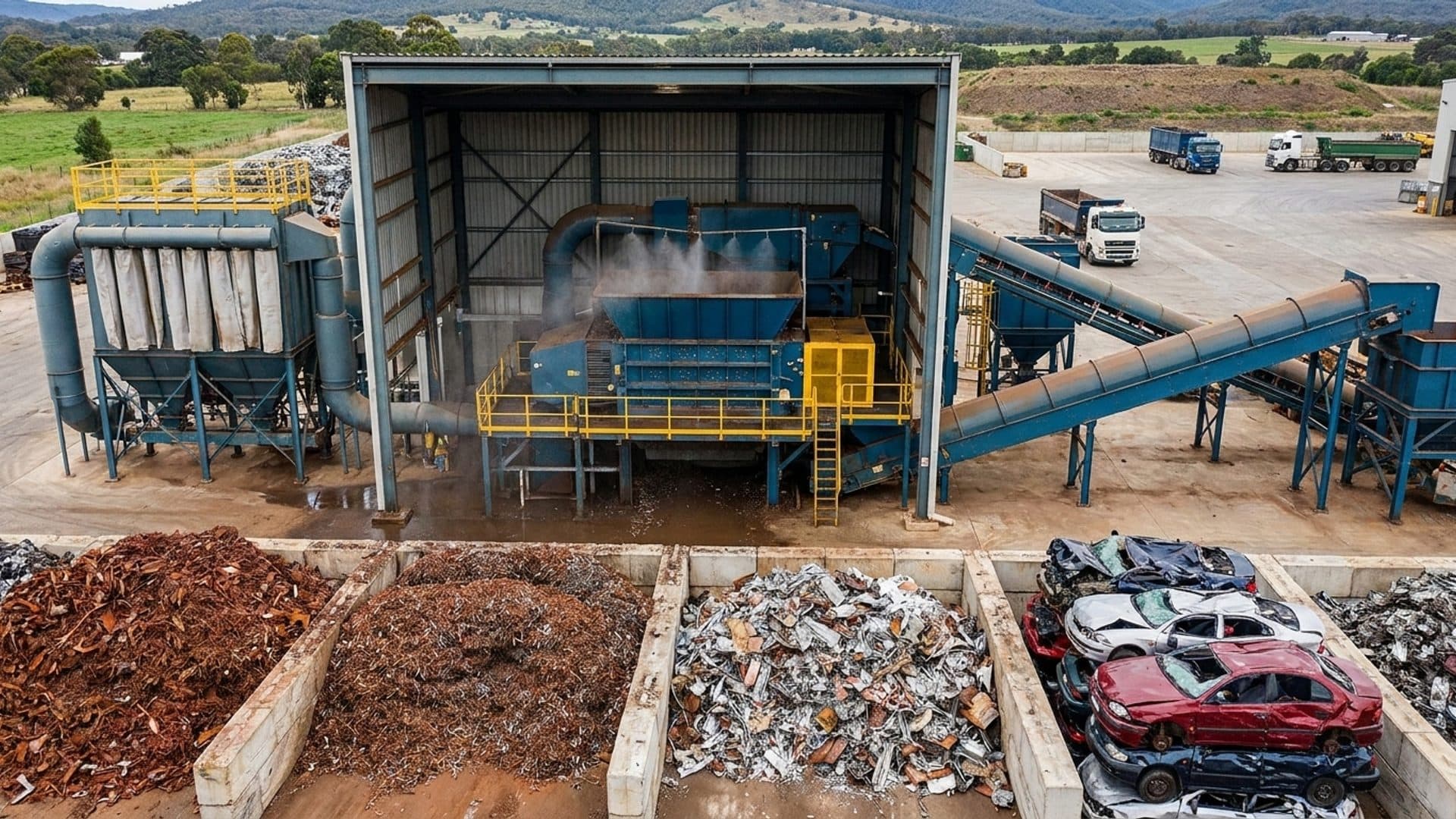
Covered facilities use stationary or mobile shredders to process end-of-life vehicles, appliances and other metallic feedstock. Feeder yards that only crush, shear or bale metal, tyre-only shredders, wood shredders, certain e-waste operations and facilities exclusively processing clean non-ferrous metal are excluded.
An existing facility would submit a notice of intent within 30 days of the effective date, followed by a permit application within six months after that notice. A qualifying small facility, processing no more than 250 tons per day or 65,000 tons per year and meeting operational limits, would have one year after notice.
Applications would include inspection, fire prevention, housekeeping, inventory, security, preparedness, contingency, closure, financial-assurance, training and offsite-processing plans. Fire controls must address stockpile temperatures, patrols, water, fire lanes and operator training. Training must cover releases, fires, natural disasters, emergency notification and inventory management.
Residue, Monitoring And Fees Would Change
The proposal keeps metal shredder aggregate as an in-process material rather than waste, while defining metal shredder residue and chemically treated residue. It preserves other agencies' authority over hazardous waste, air, water and local environmental health.
The Department of Toxic Substances Control would conduct annual compliance evaluations, oversee permit conditions and receive emergency reports. Facilities would need closure cost estimates and financial assurance. They would also provide at least 60 days' notice before ownership or operational transfer.
Existing fee provisions would become inoperative on 1 July 2027 and be repealed on 1 January 2028. A new annual fee would support the dedicated programme from the 2027 to 2028 fiscal year. The Board of Environmental Safety would hold a public implementation review by 1 July 2030.
The proposed legal classification and oversight route would change. Releases and generated hazardous waste would remain regulated. Current requirements continue until any enacted law becomes effective.
Supplier contracts may become a compliance control. Facilities will need credible descriptions of incoming feedstock and offsite processing. Residue carriers and receiving sites may face more detailed verification. Poor data at handover points could delay permits or undermine claims that material remains within the protected recycling pathway.
Practical Actions For The Scrap And Manufacturing Value Chain
Operators should monitor Governor action, compare current plans with the proposed permit package and identify financial-assurance gaps. Scrap suppliers should review prohibited or problematic feedstock controls. Residue processors, transporters and insurers should test whether contracts capture destination, insurance, recovery and emergency information.
Manufacturers using recycled metals should assess continuity risk if supplier permits or processing routes change. They should support circular-economy goals without making premature contractual claims that SB 811 is already binding.
Official source
California Legislature, Senate Bill 811, legislative action of 30 August 2026leginfo.legislature.ca.gov
Questions about this change
Is California SB 811 already law?
No. Both chambers passed the bill, but Governor action remains pending. Existing hazardous-waste, air, water and metal-shredder rules continue to apply unless and until the measure is enacted.
Would all scrap-metal sites need a metal shredding facility permit?
No. The bill targets facilities that conduct metal shredding and processing. It excludes feeder yards that only crush, shear or bale metal and specified tyre, wood, e-waste and clean non-ferrous operations.

Dr Steven Brennan
CEO and co-founder of Foresight, and a co-opted member of ECHA's Committee for Socio-economic Analysis. He holds a PhD in chemical engineering.
More from Dr Steven BrennanFind out what this means for your products
Foresight follows changes like this one and shows where they reach your substances, products and markets.
 United States

Join 3,500+ professionals staying ahead
Foresight Weekly brings the week's regulatory changes across chemicals, product safety, sustainability, ESG and EHS into one email.
Read by professionals at


