 California
California AB 2458 Expands Appliance Efficiency Controls Across Rentals And Distribution
California AB 2458 extends appliance-efficiency compliance beyond sales to rentals, imports, distribution and leases from 1 January 2027.

Dr Steven Brennan
3 min readAI-drafted, expert reviewed
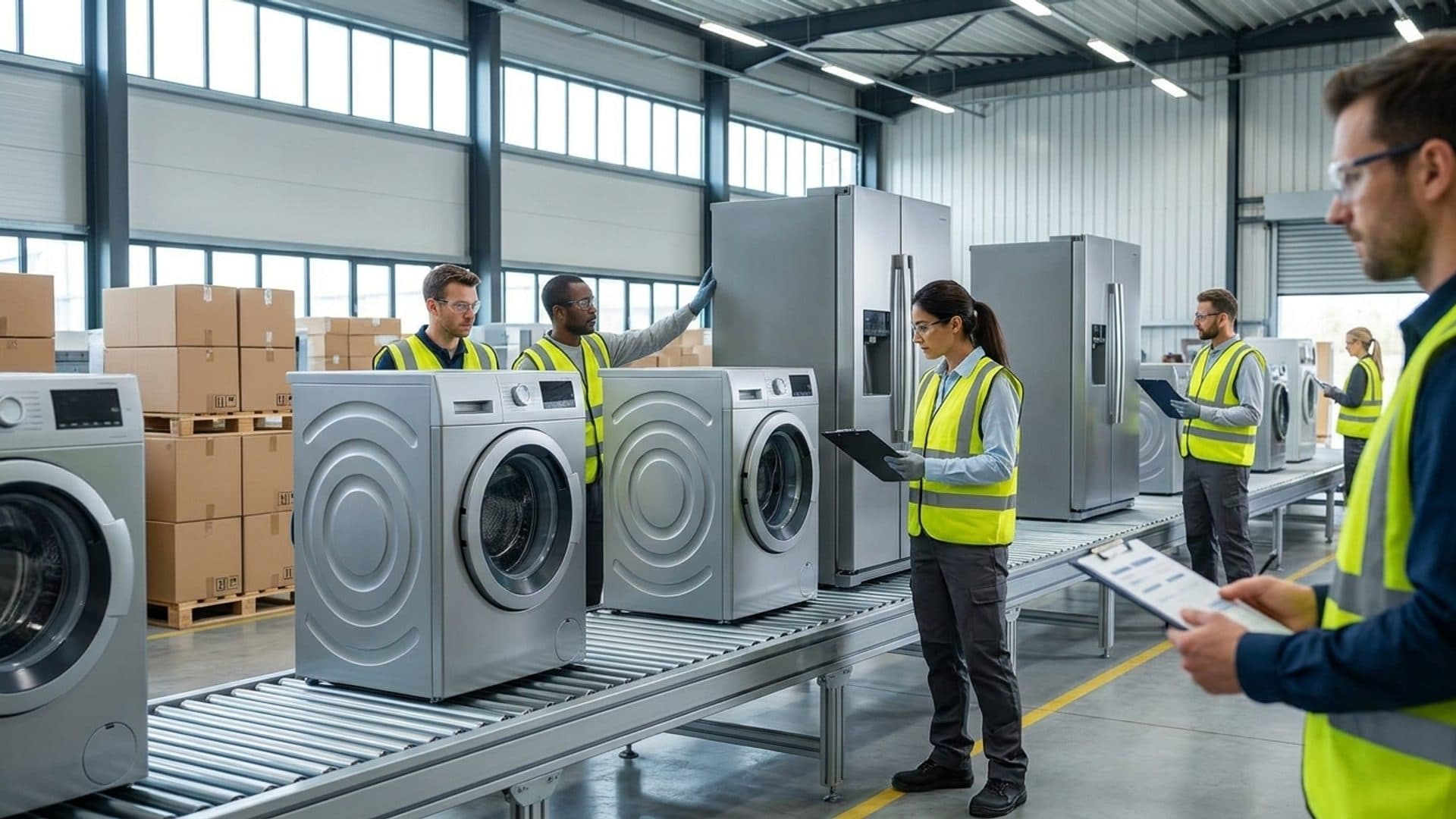
California AB 2458 appliance standards will extend across rental, importation, distribution and leasing from 1 January 2027 after Governor approval and filing on 31 August 2026. The chaptered text, published on 1 September, amends Public Resources Code Section 25402 and applies the existing manufacturer-certification model to a wider range of transactions involving appliances for end use in California.
The California Energy Commission sets minimum operating-efficiency standards and other cost-effective measures for appliances that use significant energy or water. Previously, a new appliance manufactured after the relevant standard took effect could not be sold or offered for sale unless its manufacturer had certified compliance.
California AB 2458 Appliance Standards Reach Every Major Transaction Route
The amended provision adds rented, imported, distributed and leased appliances, along with offers for each transaction. It applies regardless of the physical location of the seller, renter, importer, distributor or lessor. Internet, telephone and mail-order transactions are expressly included when the appliance is intended for end use in California.
The law also extends the permanent manufacture-date marking requirement to the same transaction categories for covered new appliances manufactured on or after 1 July 1984, excluding plumbing fittings.
AB 2458 does not establish new numerical energy or water thresholds. Those remain in the Energy Commission's product-specific regulations. Standards ordinarily take effect no sooner than one year after adoption or revision, although the Commission may make a good-cause finding for an earlier date after considering product availability, manufacturer impact, health and safety benefits, innovation and public comments.
What Changed And What Remains Unchanged
The change closes a channel gap. Certification no longer attaches only to conventional sales and offers for sale. Rental fleets, leasing arrangements, import and distribution activities now sit within the same statutory prohibition.
What remains unchanged is the focus on new appliances manufactured on or after the applicable product-standard date. The Commission must still base minimum efficiencies on feasible and attainable performance and ensure that its standards or other measures do not add total consumer cost over the appliance's designed life.
Compliance data must now follow the appliance, not merely the sales invoice. This is an inference from the wider transaction scope. Rental operators and distributors may hold or move the same unit multiple times, so model-level certification, manufacturing date and California end-use data need to remain connected through inventory and fleet systems.
Practical Actions For Appliance Supply Chains
Manufacturers should confirm that California certification records cover each regulated model and that manufacturing dates remain accessible. Importers and distributors should block uncertified stock before allocation, while rental and leasing businesses should screen both new purchases and redeployment workflows.
Online sellers should determine California end use even when fulfilment occurs elsewhere. Contracts with marketplaces, logistics providers and fleet managers should allocate responsibility for certification evidence, product-date data and stop-sale controls. Buyers should not treat federal compliance alone as proof of compliance with a California-specific standard.
Foresight's energy efficiency topic tracks related product and operating-performance standards.
Official source
California Legislative Information, chaptered AB 2458 text (1 September 2026)leginfo.legislature.ca.gov
Topics
Questions about this change
Does AB 2458 Create New Appliance Efficiency Thresholds?
No. The law expands which transactions are prohibited when a new appliance lacks required manufacturer certification. Numerical efficiency, water-use and other product requirements remain in the California Energy Commission's appliance-specific regulations and apply on their own effective dates.
Can An Out-Of-State Online Business Fall Within The Amended Rule?
Yes. The statutory definition covers internet, telephone and mail-order transactions involving an appliance for end use in California, regardless of the operator's physical location. Businesses therefore need destination and end-use controls, not only California warehouse checks.

Dr Steven Brennan
CEO and co-founder of Foresight, and a co-opted member of ECHA's Committee for Socio-economic Analysis. He holds a PhD in chemical engineering.
More from Dr Steven BrennanFind out what this means for your products
Foresight follows changes like this one and shows where they reach your substances, products and markets.
 Mexico
 European Union
Join 3,500+ professionals staying ahead
Foresight Weekly brings the week's regulatory changes across chemicals, product safety, sustainability, ESG and EHS into one email.
Read by professionals at


