 United Kingdom
UK Publishes Export Guidance For Cell-Cultivated Animal Products
New guidance maps exports of cell-cultivated animal products from Great Britain to non-EU countries, with market access and certification depending on the destination.
Foresight
2 min readAI-drafted, expert reviewed
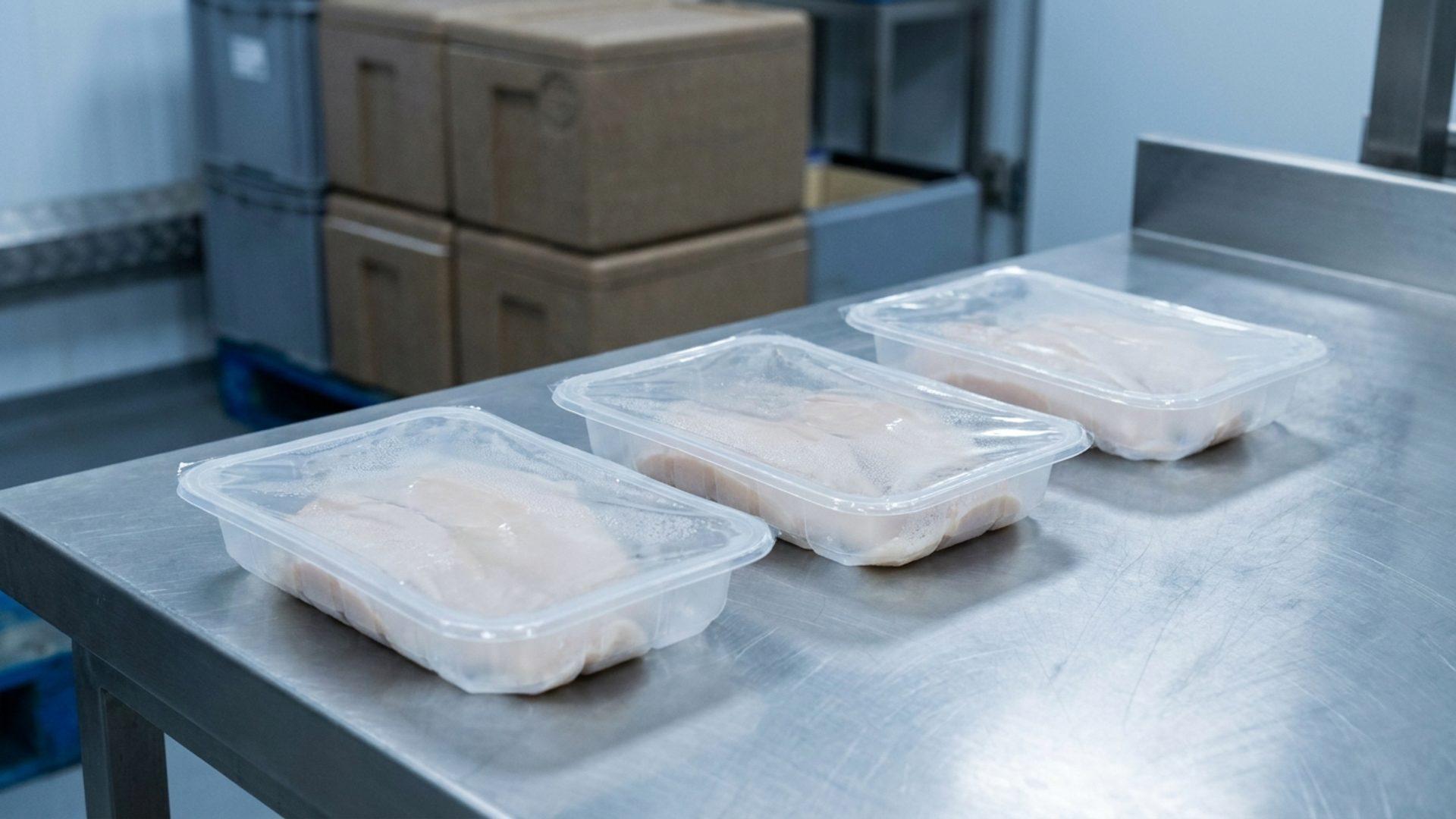
New UK government guidance, published on 12 November 2026, maps the process for exporting cell-cultivated products derived from animal cells from Great Britain to non-EU countries. It covers producers and exporters in England, Scotland and Wales. Different requirements may apply to exports from Northern Ireland.
The document provides an indicative pathway. It does not guarantee market access, the availability of certification or approval by the destination country.
Classification And Product Eligibility
The guidance explains that the Food Standards Agency and Food Standards Scotland treat these products as products of animal origin for regulatory purposes. It notes that this classification is not explicitly specified in legislation and that importing countries may classify the products differently.
The process map separates the eligibility of the production establishment from that of the product. Food businesses in Great Britain must be registered with the relevant local authority. Destination countries may separately require an establishment to be registered, listed or approved for their market.
Certification Depends On The Destination
The guidance says there are no standard export certificate templates specifically for cell-cultivated products. Applications are likely to be assessed case by case against the destination country's import, certification and market-access requirements.
An export health certificate or other official certification may be required. Where no suitable certificate exists, the Animal and Plant Health Agency may need to develop one with the importing authorities. The guidance warns that this process can take time and may not result in trade becoming possible.
Conditions For Export
Compliance with UK law does not create a right to export. Market access must be established, and the destination country's laws and import conditions determine the applicable requirements. The guidance also covers customs, temperature control, labelling, documentation and traceability.
Topics
Questions about this change
Does the new UK guidance automatically authorise exports of cell-cultivated animal products?
No. It provides an indicative process for exports from Great Britain to non-EU countries. Market access, product eligibility and any certification depend on the destination country’s requirements and decisions by the relevant authorities.
Does the cell-cultivated export roadmap cover Northern Ireland in the same way as Great Britain?
No. The process map covers England, Scotland and Wales. It states that different requirements may apply to exports from Northern Ireland under the Windsor Framework.
Find out what this means for your products
Foresight follows changes like this one and shows where they reach your substances, products and markets.

Join 3,500+ professionals staying ahead
Foresight Weekly brings the week's regulatory changes across chemicals, product safety, sustainability, ESG and EHS into one email.
Read by professionals at


