 Great Britain
 Northern Ireland
UK Plastic Packaging Tax Mass Balance Guidance Sets 2027 Evidence Rules
HMRC has set the certification, batch declaration and record rules for chemically recycled plastic claims from April 2027.

Dr Steven Brennan
3 min readAI-drafted, expert reviewed
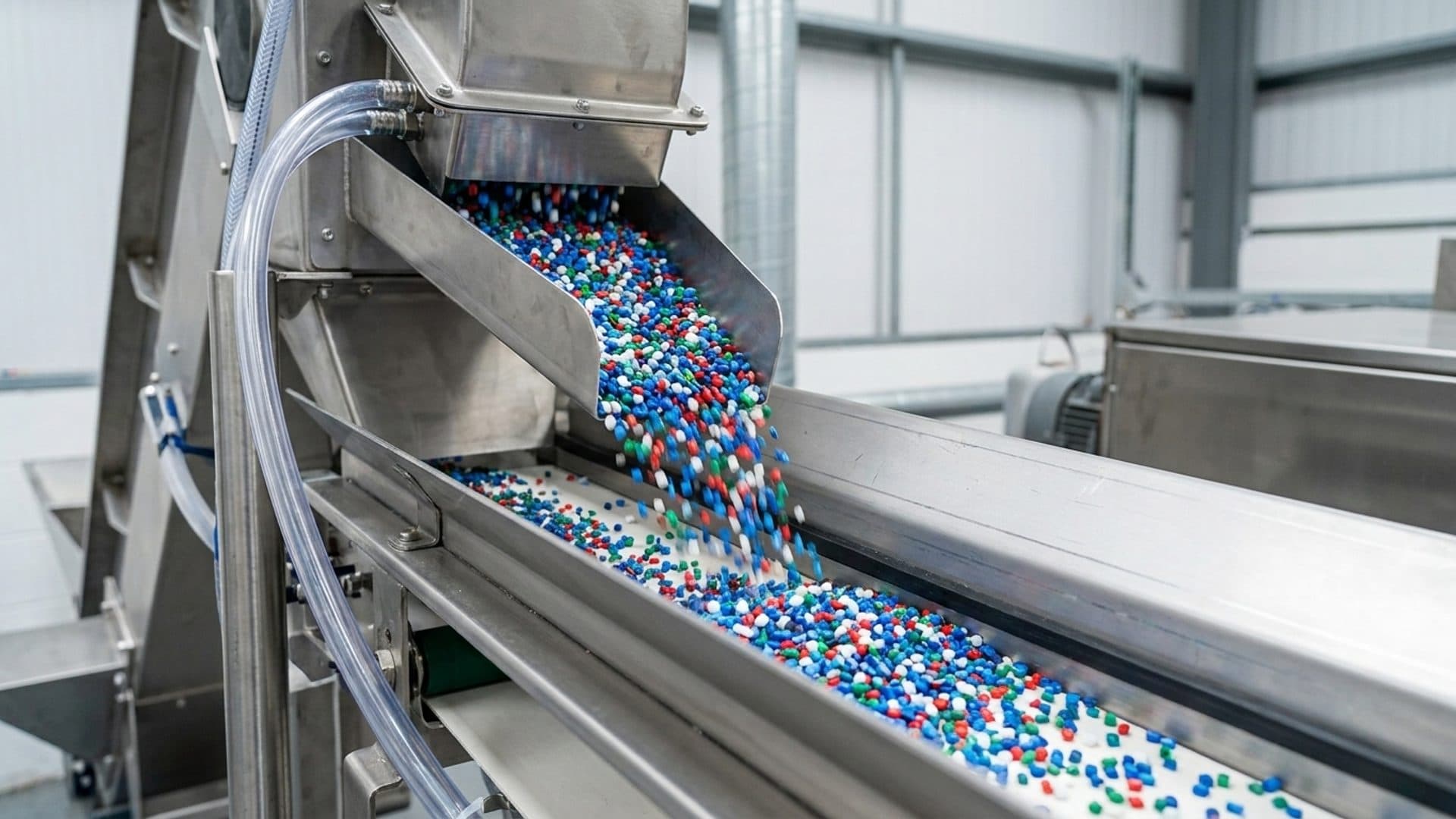
Plastic Packaging Tax mass balance guidance published by HM Revenue & Customs on 28 August 2026 sets out how businesses can prepare to count chemically recycled plastic from 1 April 2027. The route is optional, but chemically recycled content attributed through mass balance will otherwise be treated as non-recycled, or virgin, plastic when the tax position is calculated.
The guidance applies to UK manufacturers using chemically recycled material and importers of finished packaging components made with it. It can support the existing exemption for components containing at least 30% recycled plastic, provided the evidence rules are met.
Plastic Packaging Tax Mass Balance Follows The Whole Chain
Mass balance attributes a share of recycled feedstock within a mixture of recycled and virgin material to specified packaging output. HMRC allows the method only where recycling changes the chemical structure of plastic waste and the attributed material is covered by an acceptable third-party certification scheme.
Certification must extend from the chemical recycler through petrochemical cracking, polymerisation, storage and packaging conversion until manufacture of the component is complete. Each participating business may use a different qualifying scheme, but an uncertified link prevents the recycled amount being counted.
UK manufacturers using the route must be certified. An importer that only brings in finished packaging does not need its own certificate, but must verify certification across the upstream chain and hold supplier evidence.
Batch Declarations And Three-Month Accounts Become Central
Every batch passed between businesses needs a valid certificate copy and a new attribution declaration identifying the material, transaction parties and attributed quantity. Sites must operate a three-month mass-balance accounting period with no negative balance, exclude fuel-use outputs from attribution and apply site-specific conversion factors where appropriate.
Manufacturers and importers must check supplier eligibility on an electronic register and review declarations for completeness. Certificates, batch declarations, site records and due-diligence evidence must be kept for six years. HMRC may deny the exemption or charge a penalty where evidence or minimum requirements are not met.
What changed is the acceptance of a controlled attribution method for chemically recycled plastic under the 2027 tax framework. Mechanical recycling keeps its existing physical accounting method and cannot use mass balance. The 30% exemption threshold also remains unchanged.
Analysis, clearly identified as an inference: the claim is only as strong as the weakest handover. Tax, procurement and sustainability teams will need the same batch identity and attributed quantity, because a sustainability certificate that cannot be reconciled to the packaging return may not support the exemption.
Practical Actions For Packaging Supply Chains
Businesses should map each site from waste input to finished component, record the certification scheme and expiry date, and test whether supplier registers can be checked. Contracts should require timely certificates, complete attribution declarations, conversion-factor evidence and notification of any suspension.
Sites should rehearse three-month accounting, fuel exclusion and batch reconciliation before April 2027. Importers should not assume finished goods are lower risk, because they remain responsible for upstream checks. Finance teams should model tax where evidence fails, while certification bodies and scheme operators align audits and electronic registers with HMRC's minimum requirements.
Questions about this change
Can mechanically recycled plastic use the new mass-balance route?
No. HMRC says the method is for chemically recycled plastic where the recycling process changes the waste's chemical structure. Mechanically recycled content continues under the existing accounting method, so businesses should keep the evidence streams separate in tax and inventory systems.
Does a finished-packaging importer need its own certification?
Not if it only imports finished components made using mass balance. It must still confirm that the relevant upstream supply chain is certified, obtain valid supplier certificates and attribution declarations, perform due-diligence checks and retain the evidence for six years.

Dr Steven Brennan
CEO and co-founder of Foresight, and a co-opted member of ECHA's Committee for Socio-economic Analysis. He holds a PhD in chemical engineering.
More from Dr Steven BrennanFind out what this means for your products
Foresight follows changes like this one and shows where they reach your substances, products and markets.
 European Union
Join 3,500+ professionals staying ahead
Foresight Weekly brings the week's regulatory changes across chemicals, product safety, sustainability, ESG and EHS into one email.
Read by professionals at


