 United States

 European Economic Area
OSHA cited NaturPak after two pressure-kettle incidents killed three workers and seriously injured two, proposing $364,100 in penalties.

3 min readAI-drafted, expert reviewed
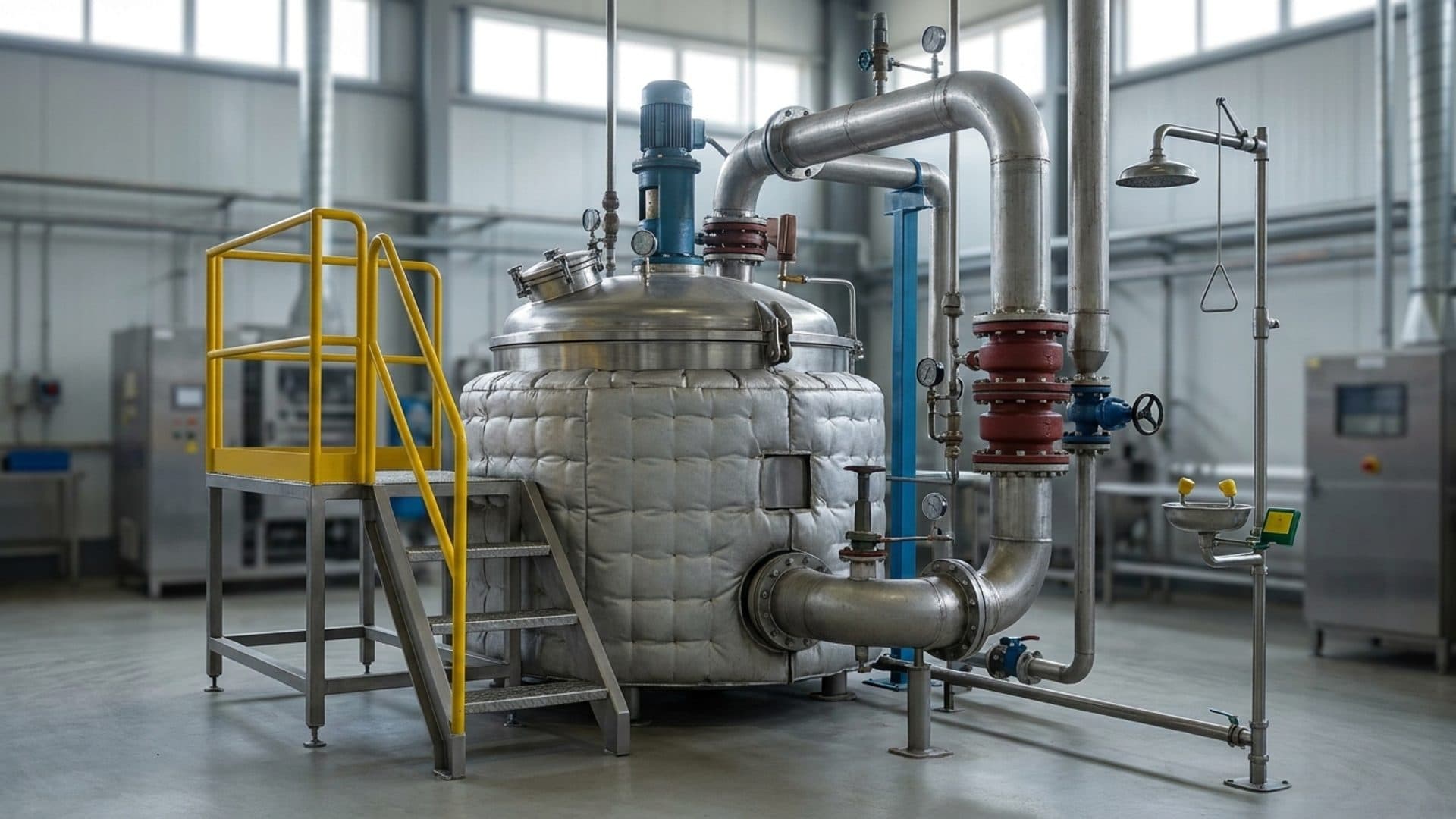
The United States Occupational Safety and Health Administration announced citations against Wisconsin food manufacturer IPMF LLC, operating as NaturPak, on 20 August 2026 after two industrial-kettle incidents killed three workers and seriously injured two. Proposed penalties total $364,100, sharpening the warning for food processors and other manufacturers using heated, pressurised vessels.
The first incident occurred on 12 February 2026. OSHA says a clogged vent line allowed pressure to build before a kettle lid opened unexpectedly, releasing steam, liquid and organic material onto two employees. Both were hospitalised and one later died from complications; the other also suffered a concussion after being struck by an object.
On 18 March, another kettle lid opened under pressure and released steam, hot liquid and organic material. Three workers were burned, two fatally, and the third was hospitalised.
OSHA proposed $115,850 in penalties from the February inspection and $248,250 from the March inspection. The employer has 15 business days from receipt of the citations to comply, seek an informal conference or contest the findings before the independent Occupational Safety and Health Review Commission.
The agency cautions that the status, classifications and penalty amounts may change. These are therefore enforcement allegations and proposed penalties, not a final adjudication.
OSHA issued a serious citation concerning kettle design and use that exposed workers to pressure and thermal burns. Other alleged failures involved quick access to emergency water, fall exposure around and into kettles, assessment of personal protective equipment for thermal risks, and notification of employees working beside permit-required confined spaces.
Repeat citations addressed failure to develop, document and use kettle-specific lockout/tagout procedures and failure to train employees on those procedures. The cited issues extend beyond one failed component to the way equipment, energy isolation, access, emergency response and training interact.
Food manufacturers and other operators should verify that vents, relief paths, lids, interlocks and operating limits are suitable for actual products and cleaning conditions. Maintenance and production teams should test how blockages are detected, how pressure is confirmed as zero, and how equipment is isolated before opening, entry or repair.
Organic material can change flow and blockage behaviour, so generic pressure-vessel documentation may not capture process-specific failure modes. Procurement specifications and change controls should cover recipes, fouling, vent-cleaning frequency, sensors, inspection evidence and safe access, while contractors receive the same lockout and confined-space information as employees.
Employers should also confirm emergency-water access, thermal PPE assessments, fall protection and incident-response drills. Sites outside the United States can use the case as a practical audit signal while applying their own national legal requirements.
Official source
United States Department of Labor, OSHA NaturPak enforcement release 26-1383-CHI (20 August 2026)osha.gov
Topics
No. OSHA describes the amounts as proposed penalties and warns that case status or classifications may change. NaturPak has 15 business days from receiving the citations to comply, request an informal conference or contest the findings before the review commission.
The alleged failures covered pressure and thermal hazards, emergency water, falls around and into kettles, thermal PPE assessment, lockout/tagout procedures and training, plus notification of workers beside permit-required confined spaces. Businesses should verify each control against their actual process.

Dr Steven Brennan
CEO and co-founder of Foresight, and a co-opted member of ECHA's Committee for Socio-economic Analysis. He holds a PhD in chemical engineering.
More from Dr Steven BrennanForesight follows changes like this one and shows where they reach your substances, products and markets.
Foresight Weekly brings the week's regulatory changes across chemicals, product safety, sustainability, ESG and EHS into one email.
Read by professionals at


 Luxembourg
 Ukraine