 Italy
Italy Compostable Packaging Rules Advance But Await Gazettal
Italy's Cabinet has approved a draft decree-law proposing mandatory certified compostability for packaging used in fresh produce, catering, single portions and hospitality. The measure was not gazetted or enforceable by 7 August 2026. Packaging suppliers and users should assess affected formats while monitoring promulgation, final wording and commencement in Italy.

Dr Steven Brennan
2 min readAI-drafted, expert reviewed

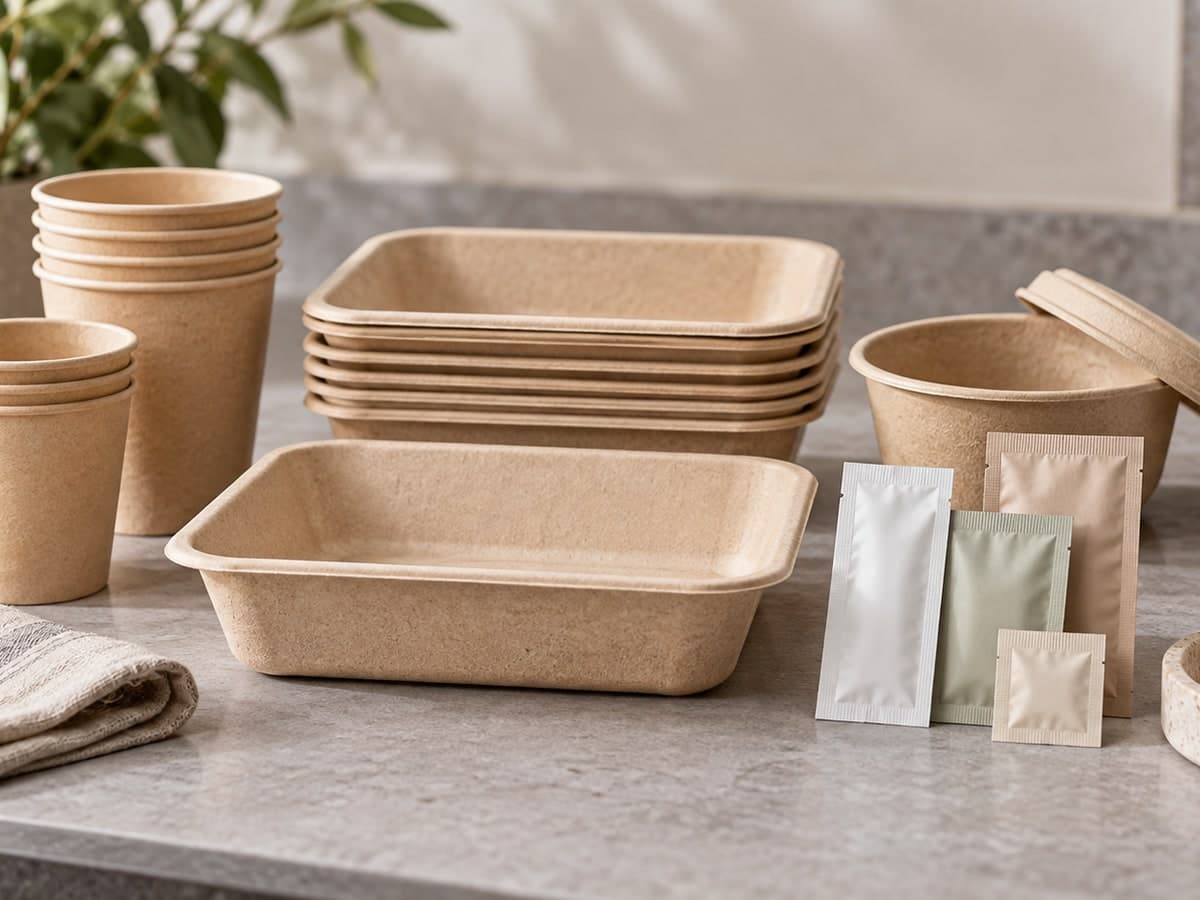
Italy's Council of Ministers approved a draft decree-law on 4 August 2026 proposing that specified packaging first placed on the Italian market must be biodegradable, compostable and certified. The proposed Italy compostable packaging rules target formats used for fresh fruit and vegetables, restaurants and catering, individual food portions and hospitality.
The Cabinet announcement was published on 5 August. However, no matching decree-law had been located in the Gazzetta Ufficiale or Normattiva by 7 August. Cabinet approval of the draft therefore represented a new procedural development, not an enforceable packaging obligation or established commencement date. The Italy compostable packaging rules remain proposed.
Food-Service And Hospitality Packaging Scope
The announced measure would amend Italy's environmental framework for defined packaging applications. Businesses supplying trays, bags, cups, wrappers or other formats into the listed channels should map products carefully, because the government summary describes use categories rather than a complete technical inventory.
Certification will be central if the proposal is promulgated in the announced form. Claims that a material is bio-based, biodegradable in certain conditions or industrially compostable are not interchangeable. Manufacturers and importers will need reliable specifications, conformity evidence and clear instructions, while distributors and users will need confidence that supplied formats match the legal scope.
PPWR Option And Organic-Waste Systems
The Italian government said the draft measure would use an option under the EU Packaging and Packaging Waste Regulation where adequate organic-waste collection and treatment systems exist. It presented the proposal as a way to preserve continuity for Italy's compostable-bioplastics supply chain.
If enacted, the Italy compostable packaging rules could create demand for certified materials, testing and traceability. It may also introduce redesign and sourcing costs for brands, retailers, food-service operators and hospitality groups. Cross-border suppliers should avoid assuming that packaging accepted elsewhere in the EU will automatically satisfy the proposed Italian conditions.
What Packaging Businesses Should Do Next
Companies can identify sales into the four announced channels, collect certification records and examine how pack components, inks, adhesives and labels affect compostability. Procurement teams should distinguish product claims from evidence linked to the finished packaging.
Legal and regulatory teams should monitor promulgation, gazettal, commencement and any conversion process affecting a future decree-law. They should also check for implementing details, exemptions and transitional arrangements before changing specifications. Until an official act appears, contracts and customer communications should describe the Italy compostable packaging rules as proposed Cabinet-approved measures, not current law.
Official source
Italian Council of Ministers, meeting no. 185 press release (5 August 2026)governo.it
Questions about this change
Are Italy's announced compostable packaging requirements already enforceable?
No. The Cabinet approved a draft decree-law on 4 August 2026, but no corresponding promulgated and gazetted decree-law had been identified by 7 August. Without official text and commencement provisions, businesses should treat the announcement as still procedural. They should monitor the Gazzetta Ufficiale before claiming that new duties apply.
Which packaging applications are covered by the Cabinet announcement?
The government listed packaging for fresh fruit and vegetables, restaurants and catering, individual food portions and hospitality. It said packaging first placed on the Italian market would need to be biodegradable, compostable and certified. Final scope, definitions, exemptions and transition arrangements must be confirmed from the promulgated text when available.

Dr Steven Brennan
CEO and co-founder of Foresight, and a co-opted member of ECHA's Committee for Socio-economic Analysis. He holds a PhD in chemical engineering.
More from Dr Steven BrennanFind out what this means for your products
Foresight follows changes like this one and shows where they reach your substances, products and markets.
 United States
 European Union
Join 3,500+ professionals staying ahead
Foresight Weekly brings the week's regulatory changes across chemicals, product safety, sustainability, ESG and EHS into one email.
Read by professionals at


