 China
China
China Proposes Risk-Based Emissions Compliance Checks For Machinery
China is consulting on risk-based emissions supervision for newly produced vehicles, engines and non-road mobile machinery.

Dr Steven Brennan
2 min readAI-drafted, expert reviewed
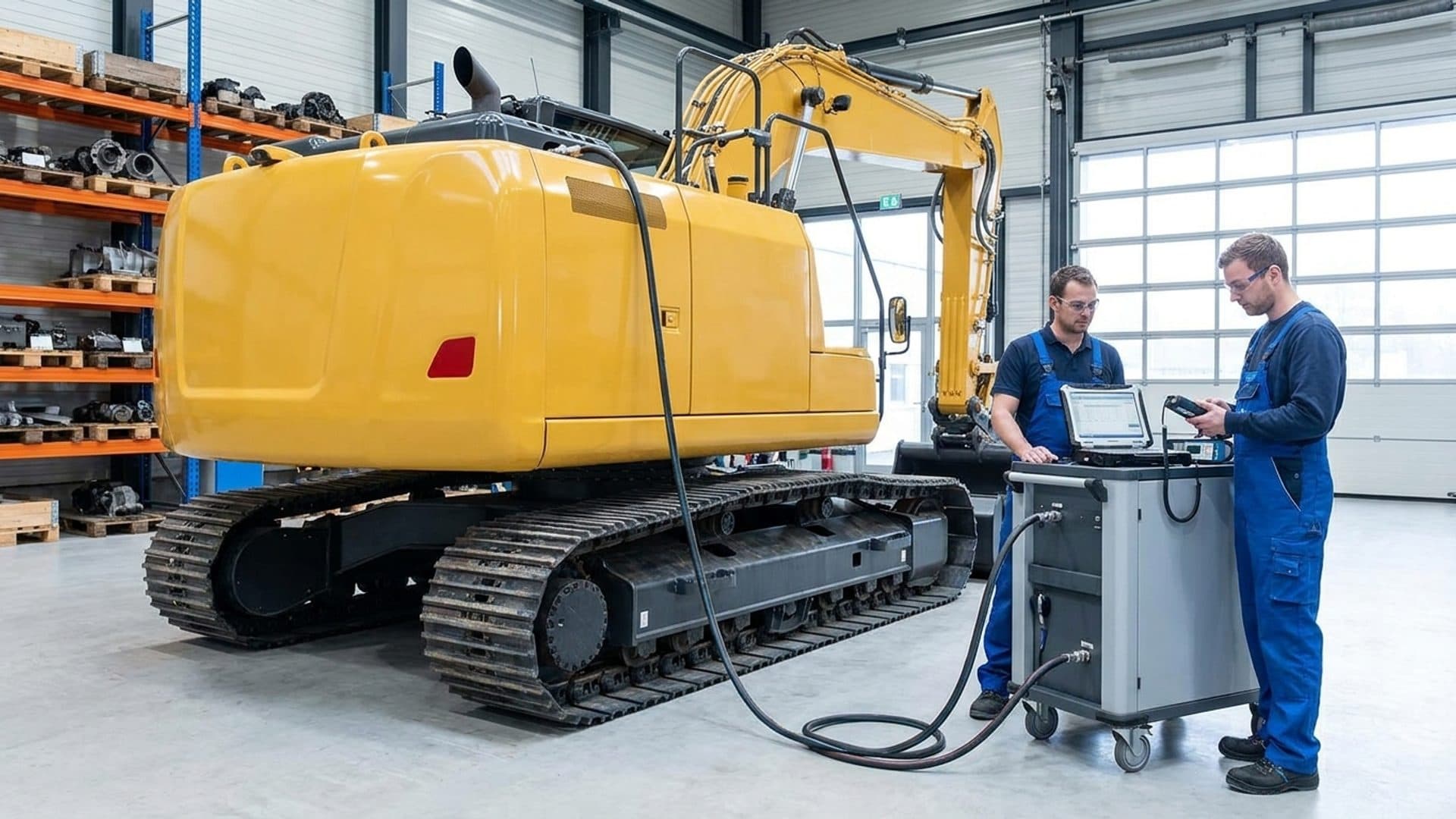
China's Ministry of Ecology and Environment has opened consultation on a draft notice for full-chain emissions compliance supervision of newly produced vehicles, engines and non-road mobile machinery. The page was generated on 23 July 2026, with comments required by 5 August. The proposal is not final.
Risk-Based Emissions Compliance Supervision
The draft would create a database of higher-risk models, updated annually using factors such as emissions-control technology, environmental information disclosure, production conformity, previous breaches, complaints and public concern. It covers light and heavy vehicles, motorcycles, non-road mobile machinery and engines.
Proposed annual inspection tasks would cover at least 25% of higher-risk heavy-vehicle manufacturers, 10% of higher-risk light-vehicle manufacturers and 5% of higher-risk motorcycle and non-road machinery manufacturers. Other risk signals include limited production checks, test results close to limits, repeated failures and low activation of remote terminals.
For non-road machinery businesses producing more than 500 units annually, activation below 80% for construction machinery or 60% for agricultural machinery is listed as a risk factor.
Sampling, Testing And Enforcement
Provincial authorities would select models through the platform, review records and public disclosures, verify engines and emissions-control components, seal samples and commission accredited CMA laboratories. Minor documentation problems could receive corrective guidance. Emissions exceedances, false control systems or failures to disclose required information could trigger formal enforcement. Cases involving imported or sold non-compliant products would be referred to market-regulation or customs authorities, connecting emissions compliance with import and distribution risk.
Actions Before The Consultation Closes
Manufacturers, importers, engine suppliers, component makers, dealers and laboratories should test data consistency across product files, remote systems, purchasing records and public disclosures. They should also review sample readiness and submit practical evidence before 5 August where proposed selection criteria or procedures could create unintended burdens.
Official source
China Ministry of Ecology and Environment, draft emissions compliance supervision notice, posted 24 July 2026mee.gov.cn
Topics
Questions about this change
Which Businesses Could Face The Proposed Emissions Compliance Checks?
The draft covers producers of light and heavy vehicles, motorcycles, non-road mobile machinery and engines. Importers, dealers, emissions-control component suppliers and laboratories may also be affected through document checks, sampling, testing, referrals and supply-chain evidence needed to demonstrate conformity during supervision.
Are The Proposed Inspection Percentages Already Mandatory?
No. They appear in a draft notice under consultation. The proposal would set task levels for manufacturer groups, but the approach may change. Companies should not treat them as law and should monitor the Ministry's response and final notice after 5 August 2026.

Dr Steven Brennan
CEO and co-founder of Foresight, and a co-opted member of ECHA's Committee for Socio-economic Analysis. He holds a PhD in chemical engineering.
More from Dr Steven BrennanFind out what this means for your products
Foresight follows changes like this one and shows where they reach your substances, products and markets.
 European Union
 Canada
Join 3,500+ professionals staying ahead
Foresight Weekly brings the week's regulatory changes across chemicals, product safety, sustainability, ESG and EHS into one email.
Read by professionals at


