 California
California SB 883 Advances Reactive-Storage Controls For Methyl Methacrylate
California SB 883 would tighten permits, inspections and accidental-release controls for reactive storage facilities and methyl methacrylate.

Dr Steven Brennan
3 min readAI-drafted, expert reviewed
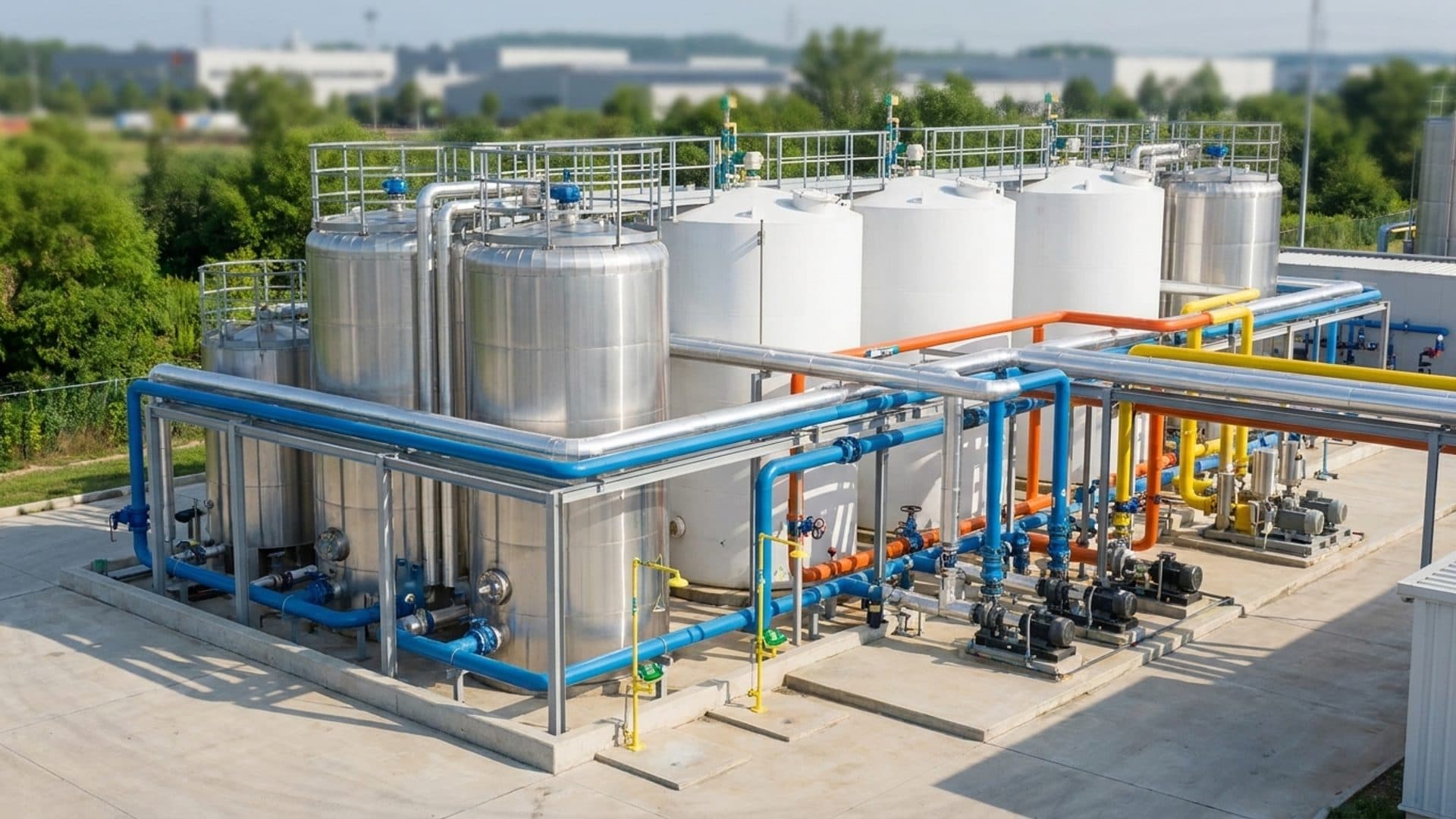
California Senate Bill 883 would tighten controls on new reactive chemical storage facilities and bring methyl methacrylate more firmly into the state's accidental-release framework. The Assembly amended the bill on 27 August 2026 and ordered it to third reading, but the measure is not law and creates no current operating duty.
California SB 883 Reactive Chemical Storage Permits Would Face New Tests
Under the current text, a city or county could not approve a permit for a new reactive chemical storage facility capable of causing off-property injury or death through an explosion unless several conditions are met. The facility would need a backup cooling or contingency system approved by the relevant Unified Program Agency, could not be adjacent to a home, and would require public notice and an opportunity to comment.
A reactive chemical storage facility is defined as a stationary source with a process involving a reactive substance. Facilities exempt from local building ordinances under Government Code section 53091(d) are excluded. The bill does not create a universal distance measurement or substitute a new threshold for the existing risk analysis.
Approved permits would have to be reported to the Governor's Office of Emergency Services and the Office of Environmental Health Hazard Assessment. At its next revision, the local emergency operations plan would need to identify the lead agency for hazardous-material incidents.
Reactive chemical facilities would also be inspected at least once every three years, with results provided to the California Environmental Protection Agency, State Fire Marshal and emergency-services office.
Methyl Methacrylate Receives Specific Proposed Treatment
Methyl methacrylate is a volatile, flammable monomer used in acrylic sheet, coatings, adhesives, resins and medical and construction products. SB 883 would deem it a significant risk for accidental-release purposes and make stationary sources storing or using it ineligible for a California Accidental Release Prevention programme exemption.
The California Environmental Protection Agency would still need to establish a threshold quantity by regulation. New facilities, or significant expansions or modifications, involving methyl methacrylate at or above that future threshold would also lose a California Environmental Quality Act exemption for advanced manufacturing facilities.
What Changed And What Remains Unchanged
The 27 August version retains the targeted permitting, inspection, emergency-planning and methyl methacrylate provisions while removing broader wording shown as struck through in the official text. It therefore should not be reported as an enacted general-duty expansion or as a current ban on methyl methacrylate storage.
Existing CalARP coverage, fire-code controls, process-safety procedures and permit conditions remain the legal baseline. The future threshold will be commercially important because it will determine both accidental-release coverage and access to the advanced-manufacturing review exemption. Inventory aggregation and project design may therefore become linked compliance decisions.
Practical Stakeholder Actions
Facilities should identify reactive processes and methyl methacrylate inventories, examine backup cooling and loss-of-utility scenarios, and map homes and other sensitive receptors near proposed sites. Project teams should model permitting and environmental-review impacts without assuming a threshold. Monitor the floor process, gubernatorial action and any later CalEPA rulemaking before changing legal classifications.
Official source
California Legislature, Senate Bill 883, Assembly amendment of 27 August 2026leginfo.legislature.ca.gov
Questions about this change
Does SB 883 currently prohibit methyl methacrylate storage?
No. The bill is not enacted and does not propose an outright ban. It would remove a CalARP exemption for stationary sources storing or using methyl methacrylate and link additional project treatment to a threshold that CalEPA must establish by regulation.
Which reactive facilities would face the proposed permit conditions?
The conditions target new stationary sources with a process involving a reactive substance where an explosion could cause injury or death beyond the property boundary. The text excludes facilities exempt from local building ordinances under Government Code section 53091(d).

Dr Steven Brennan
CEO and co-founder of Foresight, and a co-opted member of ECHA's Committee for Socio-economic Analysis. He holds a PhD in chemical engineering.
More from Dr Steven BrennanFind out what this means for your products
Foresight follows changes like this one and shows where they reach your substances, products and markets.
 China
China
 United States
Join 3,500+ professionals staying ahead
Foresight Weekly brings the week's regulatory changes across chemicals, product safety, sustainability, ESG and EHS into one email.
Read by professionals at


