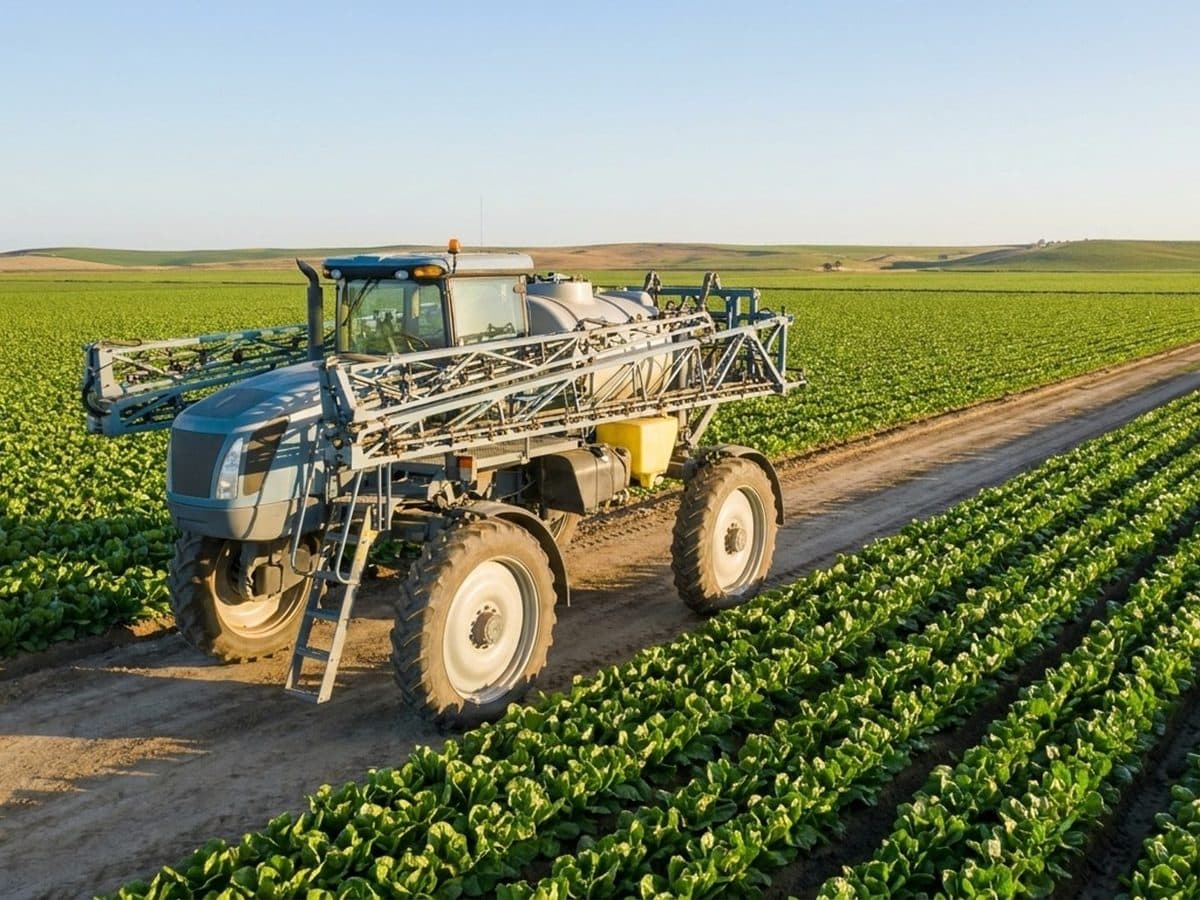
 Australia
Australian Active Constituent Standards Consultation Updates 52 Specifications
APVMA proposes 12 new active constituent standards, two removals and 38 amendments, with submissions due on 25 August 2026.

Dr Steven Brennan
2 min readAI-drafted, expert reviewed

Australian active constituent standards for agricultural chemicals could change across 52 entries under an APVMA consultation opened on 28 July 2026. The draft would create 12 standards, remove two and make minor amendments to 38 existing standards. Submissions close on 25 August.
The proposal affects active-ingredient manufacturers, toll producers, formulators, importers, product holders and quality teams supplying the Australian crop-protection market. It is a draft legislative instrument, so the 2022 standards remain operative until APVMA completes the process and makes a final variation.
Purity And Impurity Specifications Drive Market Access
APVMA says the variation is needed to reflect new scientific information and add approved active constituents that are not yet listed. Where international standards are unavailable, the authority has proposed national specifications.
Australian active constituent standards define the identity and quality expected for approved technical materials. Changes can require businesses to compare manufacturing specifications, impurity profiles, certificates of analysis and registration records. A mismatch may affect whether an active constituent supports a registered product or needs regulatory action.
Chlorpyrifos And Malathion Decisions Feed Into The Draft
The package incorporates outcomes from earlier chemical reconsiderations. For malathion, it reflects the technical name change from maldison. For chlorpyrifos, APVMA says 17 approved active constituents must comply with specified purity requirements.
These earlier Australian active constituent standards decisions are final, but the current instrument is not. Companies should separate established reconsideration outcomes from the broader proposed updates and confirm which exact entry applies to each source and grade.
Suppliers Should Reconcile Specifications Before Commenting
Businesses should map all affected actives, compare the draft with current release limits and ask manufacturers whether routine production can meet revised specifications. Quality agreements may need updated testing, change notification, audit rights and data-retention provisions.
Submissions should identify practical effects, provide scientific evidence and distinguish safety concerns from administrative cost. Australian active constituent standards can influence international suppliers even when they do not manufacture locally, because importers depend on accurate technical dossiers and batch evidence. Monitoring the final instrument will be essential before changing release specifications or assuming a proposed deletion has taken effect.
Official source
Australian Pesticides and Veterinary Medicines Authority, proposed active constituent standards amending instrument (28 July 2026)apvma.gov.au
Topics
Questions about this change
Are the amended Australian active constituent standards already binding?
No. APVMA has published a draft variation and invited submissions until 25 August 2026. The Agricultural and Veterinary Chemicals Code (Agricultural Active Constituents) Standards 2022 remain operative until the authority makes an amending legislative instrument. Businesses should monitor the final text and commencement arrangements before changing specifications or release controls.
Why do the chlorpyrifos and malathion entries matter?
The proposal carries earlier APVMA reconsideration outcomes into the standards instrument. Maldison is renamed malathion, while 17 chlorpyrifos active constituents must meet specified purity requirements. Registrants and suppliers should reconcile approved sources, technical grades, impurity data and certificates of analysis, while distinguishing these final reconsideration decisions from other draft amendments.

Dr Steven Brennan
CEO and co-founder of Foresight, and a co-opted member of ECHA's Committee for Socio-economic Analysis. He holds a PhD in chemical engineering.
More from Dr Steven BrennanFind out what this means for your products
Foresight follows changes like this one and shows where they reach your substances, products and markets.
 California
 India
India
 China
ChinaJoin 3,500+ professionals staying ahead
Foresight Weekly brings the week's regulatory changes across chemicals, product safety, sustainability, ESG and EHS into one email.
Read by professionals at


