 Japan
Japan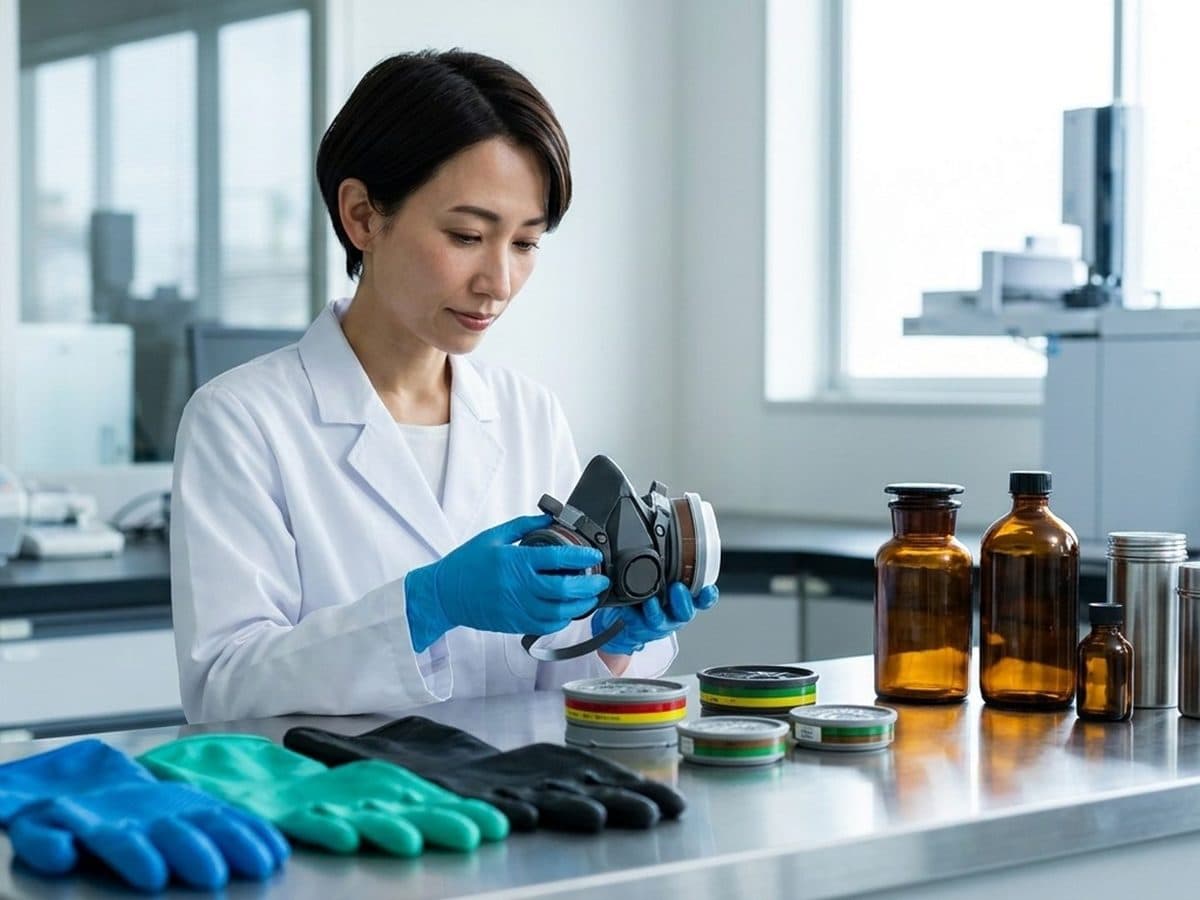
Japan MHLW Adds 48 Workplace Chemical Exposure Limits From October 2027
Japan has finalised concentration standards for 48 more workplace chemicals, supported by updated measurement and respirator guidance.

Dr Steven Brennan
3 min readAI-drafted, expert reviewed
Japan MHLW concentration standards will cover 48 additional chemicals in indoor workplaces from 1 October 2027, following final publication by the Ministry of Health, Labour and Welfare on 31 August 2026. Notification No. 332 amends the binding concentration-limit notification, while Technical Guidelines Public Notice No. 29 explains exposure verification, sampling, analysis and respiratory protection.
The Ministry received 25 consultation submissions and made no changes to the proposal. The new limits build on 256 substances already covered, taking the notified total to 304. They also add zinc hexafluorosilicate to the existing entry for fluorine and water-soluble inorganic fluorine compounds.
Japan MHLW Concentration Standards Set Substance-Specific Thresholds
The 48 substances span refrigerants, corrosive alkalis, metals, pigments, pesticides and industrial intermediates. They include 1-chloro-1,1-difluoroethane, also known as HCFC-142b, sodium hydroxide, potassium hydroxide, tungsten, barium and zinc phosphate.
Representative values show why employers must work from the final substance table. HCFC-142b has an eight-hour limit of 1,000 parts per million. Sodium hydroxide and potassium hydroxide each have an eight-hour value of 1 milligram per cubic metre and a ceiling value of 2 milligrams per cubic metre.
The Ministry retained short-term protection for the alkalis because mist exposure can cause severe skin corrosion and eye damage even though the substances are solids under normal conditions.
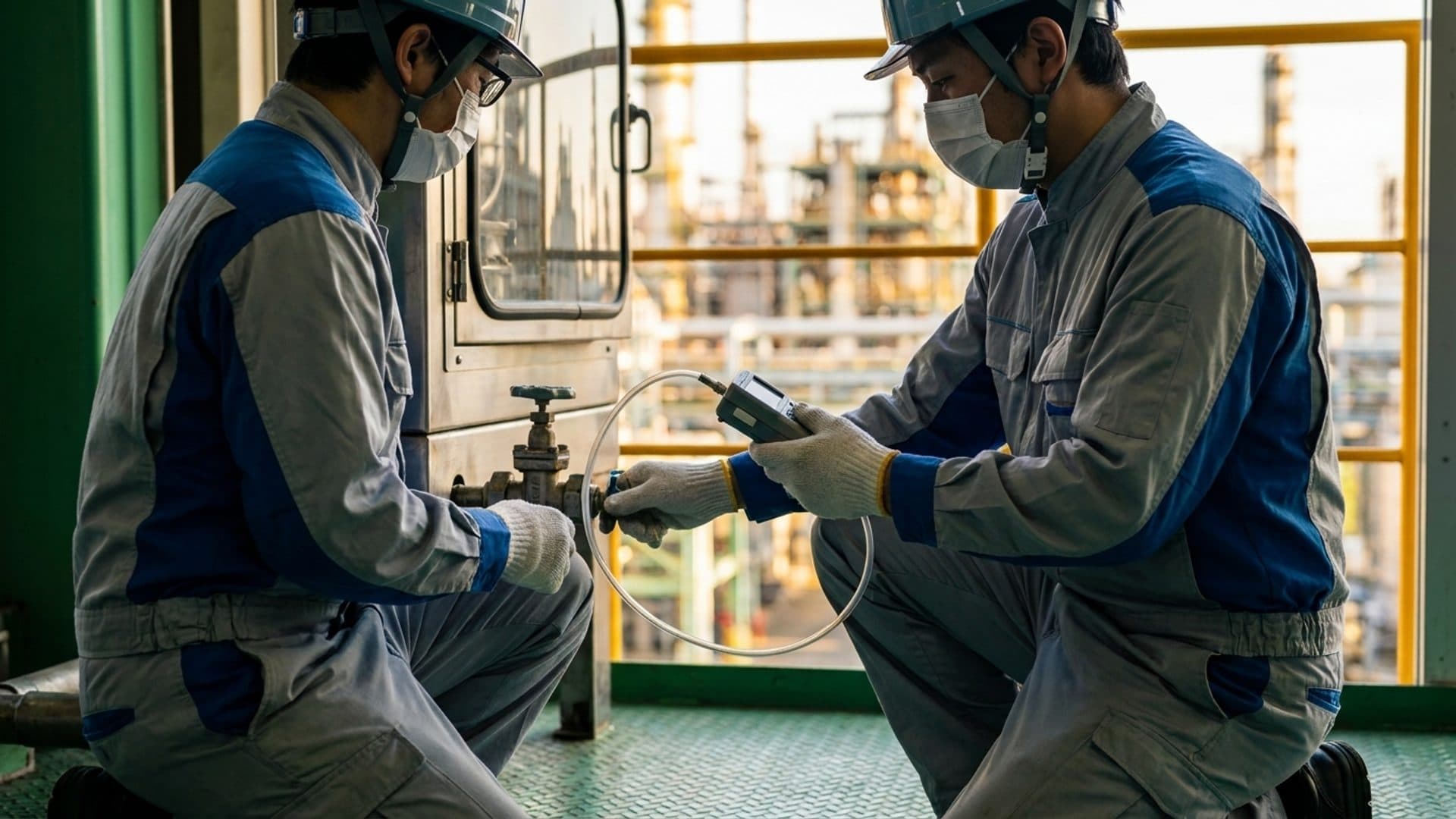
The existing framework requires employers manufacturing or handling a listed risk-assessment substance indoors to keep worker exposure at or below the applicable value. Eight-hour and short-duration measurements, ceiling limits and the additive formula for mixtures continue to operate under the established rules.
What Changed And What Remains Unchanged
The legal change is the addition of 48 substance-specific limits and the related technical methods. The guidance integrates how to confirm exposure, select sampling and analytical techniques and choose effective respiratory protection. It does not replace the wider duty to minimise exposure to risk-assessment substances or the controls under Japan's special chemical regulations.
MHLW notes that about 80% of chemical accidents causing at least four days' absence arise from substances outside the special regulations. The self-directed risk-management system is intended to close that gap.
The caustic-alkali entries make mixture assessment especially important. This is an inference from the established additive approach. A workplace using sodium and potassium hydroxide together could meet each individual value yet still need to assess their combined effect because both can damage the same organs.
Practical Actions For Chemical Employers And Suppliers
Employers should screen inventories by substance identity and process, then identify tasks that can generate vapour, mist or inhalable particles. Occupational hygienists should validate detection limits, sampling media and mixture calculations before 2027 monitoring plans are fixed.
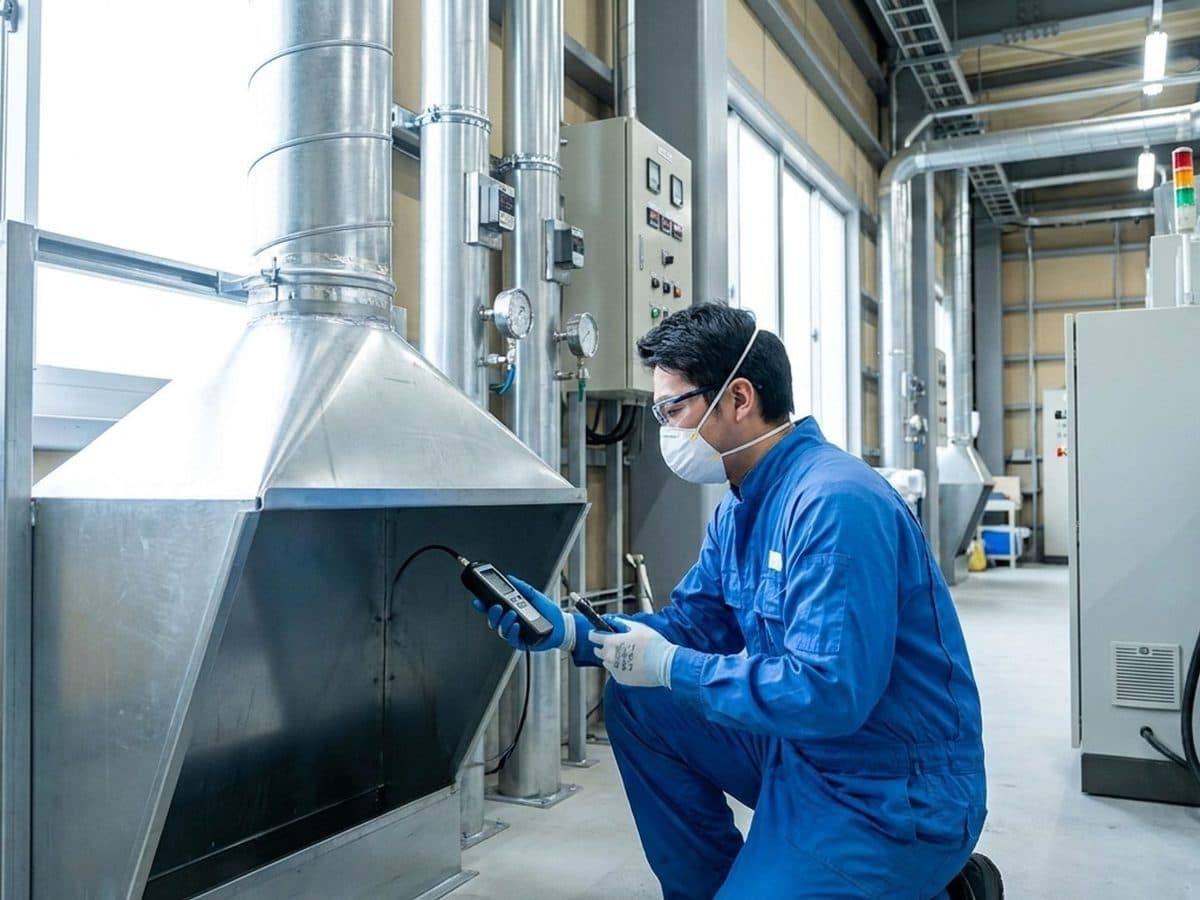
Suppliers should confirm identifiers and hazard information. Sites should test ventilation, containment and protective-equipment decisions against the new values. Contractors and laboratories need the same substance and task information because exposure evidence may cross organisational boundaries.
Foresight's occupational exposure limits topic tracks related workplace concentration standards and implementation changes.
Official source
Japan e-Gov, MHLW concentration standards consultation result (31 August 2026)public-comment.e-gov.go.jp
Questions about this change
Do The 48 New Japanese Concentration Limits Apply Immediately?
No. Notification No. 332 and the updated technical guidance were published on 31 August 2026, but the new requirements apply from 1 October 2027. Existing risk-assessment, exposure-minimisation and substance-specific duties continue during the preparation period.
How Should Employers Assess Sodium And Potassium Hydroxide Used Together?
Each substance has its own value, but employers should also consider Japan's established additive formula where chemicals with similar hazards affect the same organs. Separate compliance results may be insufficient if combined caustic-mist exposure creates a higher overall risk.

Dr Steven Brennan
CEO and co-founder of Foresight, and a co-opted member of ECHA's Committee for Socio-economic Analysis. He holds a PhD in chemical engineering.
More from Dr Steven BrennanFind out what this means for your products
Foresight follows changes like this one and shows where they reach your substances, products and markets.
- Occupational exposure limit reviewThe exposure limits that apply at each site, checked when a country revises them.
- Workplace chemical risk assessmentsAssessments and controls for each task, including COSHH assessments in the UK.
- Regulatory horizon scanningAlerts scored for your organisation, most important first.
 European Union
Join 3,500+ professionals staying ahead
Foresight Weekly brings the week's regulatory changes across chemicals, product safety, sustainability, ESG and EHS into one email.
Read by professionals at


