 Australia
Silica Dust Controls Remain Critical Across Australian Manufacturing
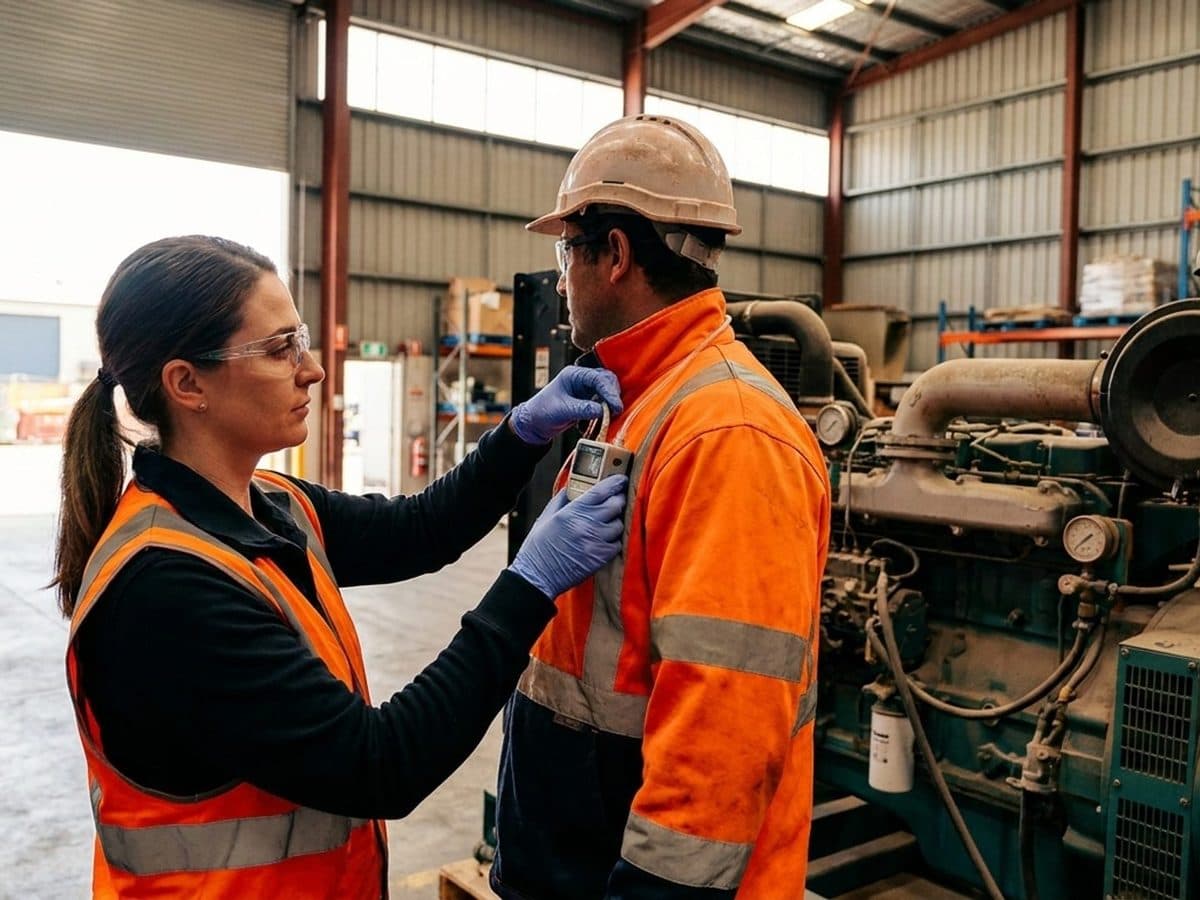
Safe Work Australia published a Be Silica Smart reminder on 20 July 2026, emphasising that silica dust controls apply wherever qualifying materials are processed.

Dr Steven Brennan
2 min readAI-drafted, expert reviewed
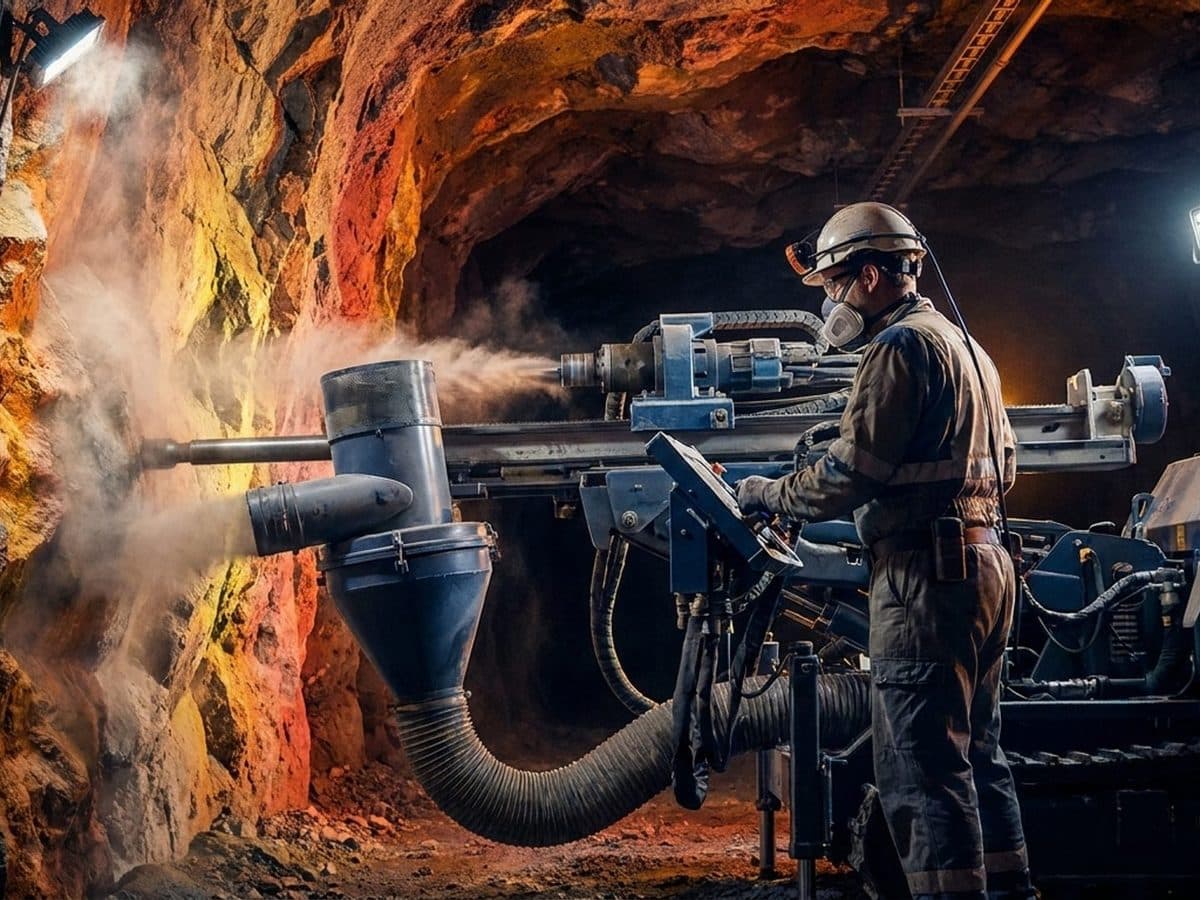
Safe Work Australia published a Be Silica Smart reminder on 20 July 2026, emphasising that silica dust controls apply wherever qualifying materials are processed. The guidance is relevant to manufacturing, construction, tunnelling, demolition, mining, quarrying and stonemasonry, as well as maintenance teams and contractors working on industrial sites.
Silica Dust Can Cause Fatal Lung Disease
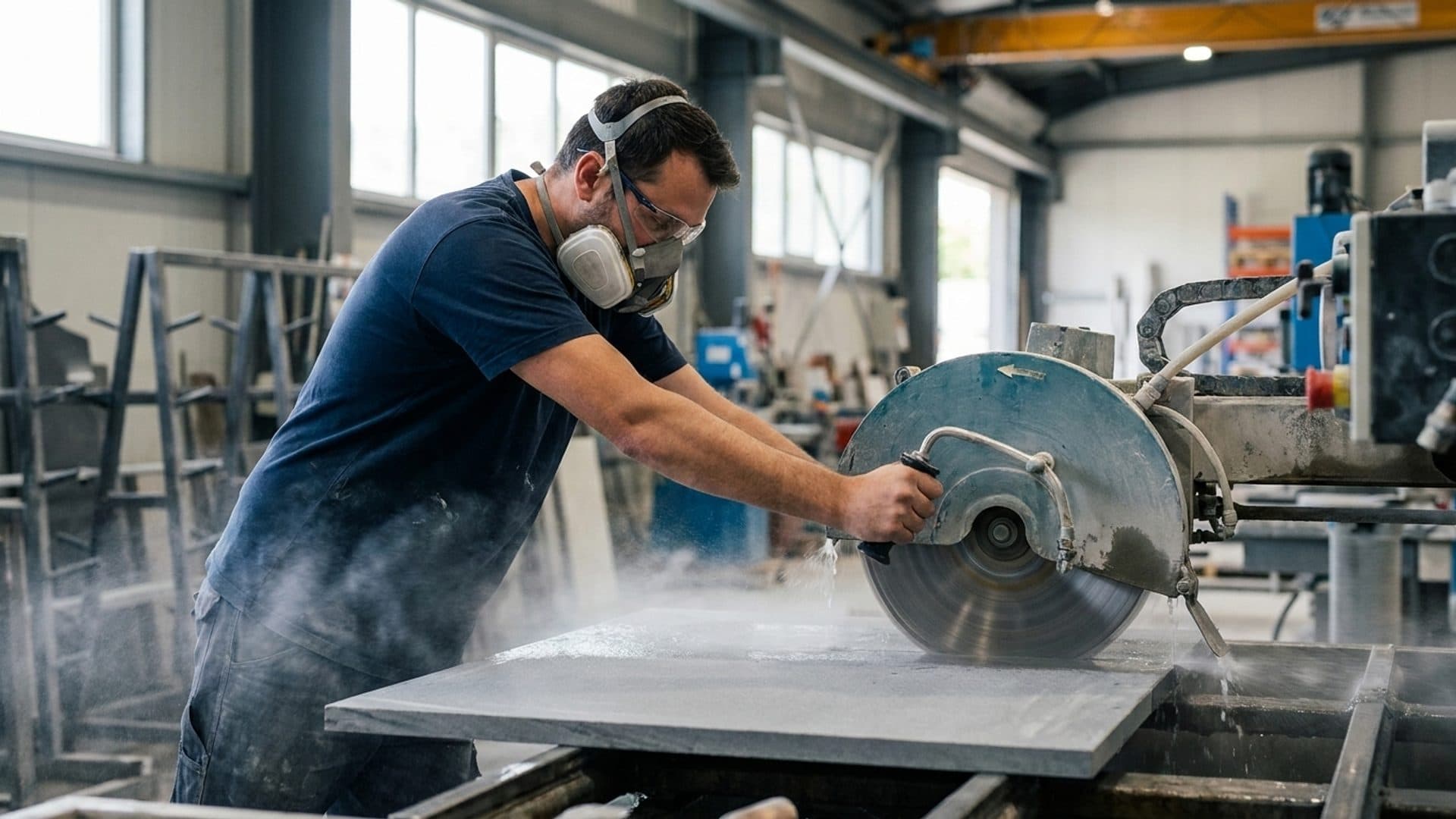
Respirable crystalline silica can be released when stone, bricks, concrete, tiles and similar products are cut, drilled, polished or ground. The finest particles can travel deep into the lungs and cause permanent damage, including silicosis and lung cancer.
The campaign does not introduce a new commencement date. It reinforces existing work health and safety duties and highlights specific regulations for work involving materials containing at least 1% crystalline silica. Employers must manage risks, while workers must take reasonable care of their own health and safety and that of others.
Manufacturers Need Task-Specific Exposure Controls
Duty holders should identify silica-containing materials and the tasks that generate airborne dust. Elimination or substitution should be considered first, followed by engineering controls such as isolation, wet methods and on-tool extraction. Respiratory protection, training, cleaning methods, exposure monitoring and health monitoring may also be required.
Manufacturers should include contractors, maintenance work and occasional cutting tasks in their assessments. Dry sweeping and compressed-air cleaning can redistribute hazardous dust. Procurement specifications and supplier information should make silica content visible before materials reach the production floor.
Official source
Safe Work Australia, Be Silica Smart When Working With Silica, 20 July 2026safeworkaustralia.gov.au
Questions about this change
Which manufacturing activities can create silica dust?
Cutting, grinding, drilling, polishing, crushing or abrasive handling of stone, concrete, bricks, tiles, engineered products and some mineral-containing components can release silica dust. Maintenance and fabrication tasks may be relevant even when silica processing is not the site's main activity. Assess actual materials and work methods rather than job titles.
What is the 1% crystalline silica threshold?
Safe Work Australia states that specific work health and safety regulations apply when work involves materials containing at least 1% crystalline silica. The threshold does not mean lower concentrations are automatically harmless. Employers must still assess exposure and comply with applicable duties, workplace exposure limits and jurisdiction-specific requirements in practice.

Dr Steven Brennan
CEO and co-founder of Foresight, and a co-opted member of ECHA's Committee for Socio-economic Analysis. He holds a PhD in chemical engineering.
More from Dr Steven BrennanFind out what this means for your products
Foresight follows changes like this one and shows where they reach your substances, products and markets.
- Occupational exposure limit reviewThe exposure limits that apply at each site, checked when a country revises them.
- Workplace chemical risk assessmentsAssessments and controls for each task, including COSHH assessments in the UK.
- Regulatory horizon scanningAlerts scored for your organisation, most important first.
 United States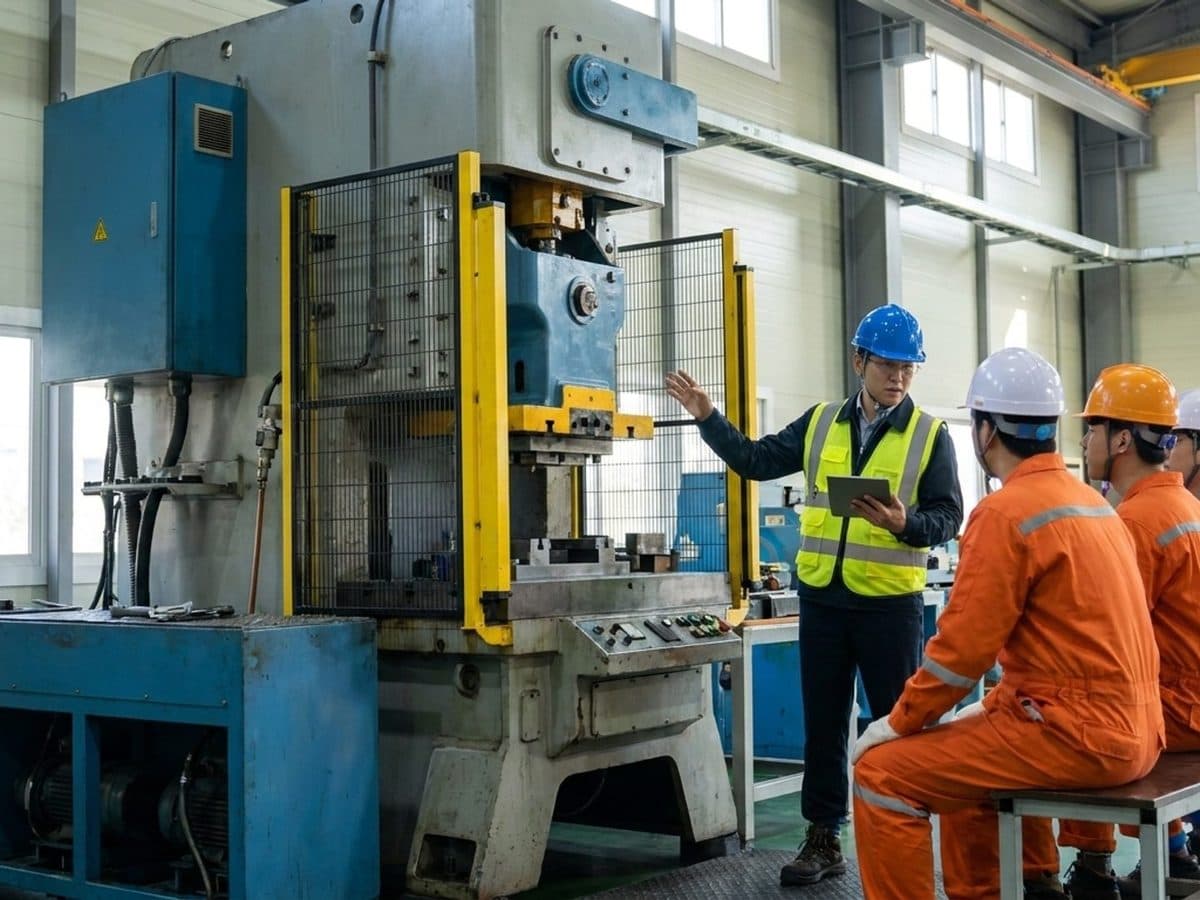
 South Korea
Join 3,500+ professionals staying ahead
Foresight Weekly brings the week's regulatory changes across chemicals, product safety, sustainability, ESG and EHS into one email.
Read by professionals at


