
 Singapore
Singapore Sustainability Disclosure Standards Open For Consultation
Singapore has opened consultation on draft sustainability disclosure standards covering mandatory climate reporting and voluntary broader sustainability disclosures.

Dr Steven Brennan
2 min readAI-drafted, expert reviewed
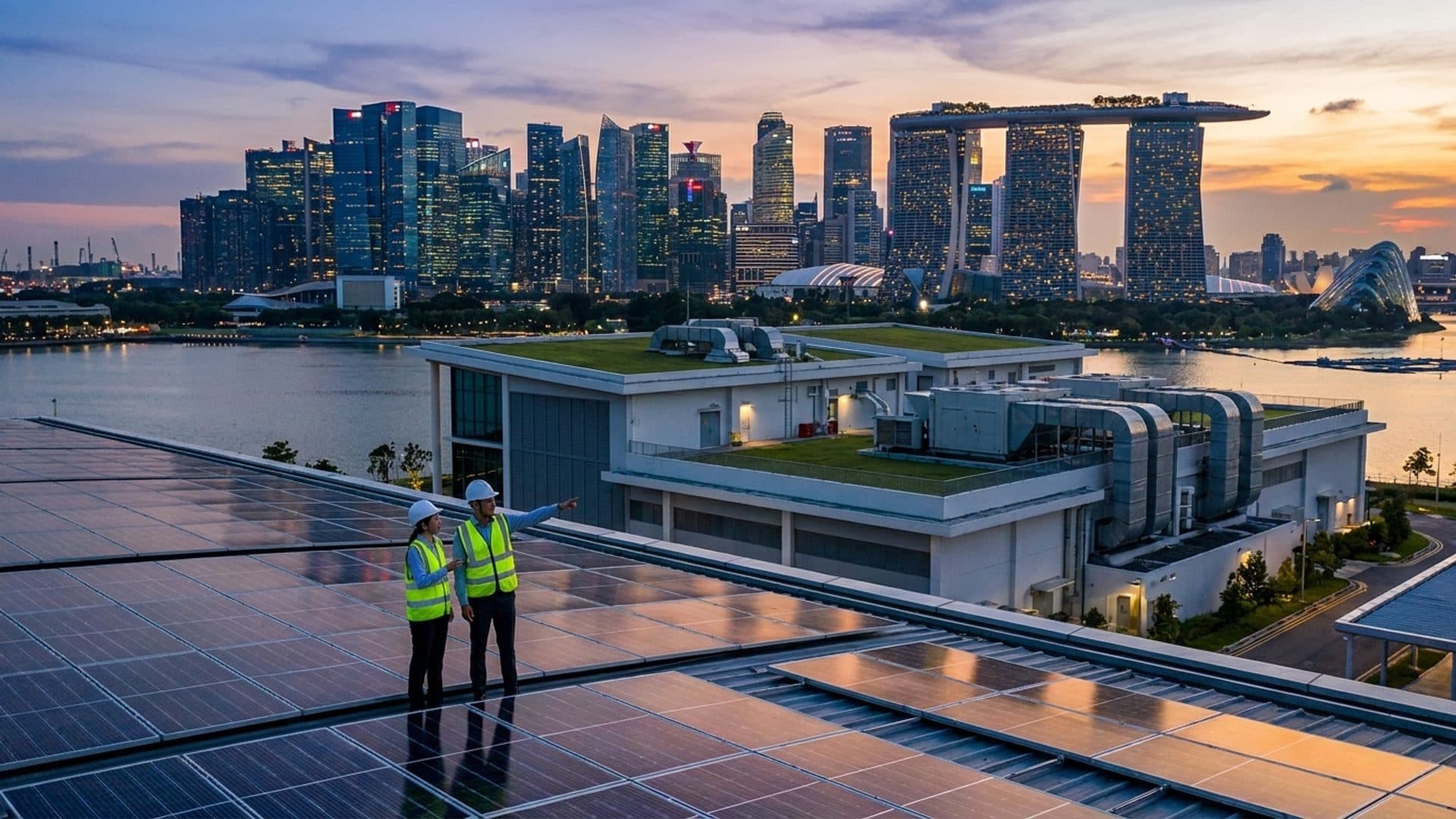
Singapore has opened consultation on draft Singapore sustainability disclosure standards that will shape how companies report climate risks, opportunities and performance. Published by the Accounting and Corporate Regulatory Authority on 27 July 2026, the proposals affect listed and large non-listed companies, their overseas parents, suppliers, investors and assurance providers. Feedback closes on 25 October 2026.
SFRS S2 Would Carry The Mandatory Climate Requirements
The Singapore sustainability disclosure standards comprise draft SFRS S1, covering general sustainability-related financial information, and draft SFRS S2 for climate-related disclosures. The Interim Sustainability Standards Committee proposes making SFRS S2 mandatory for businesses within Singapore's existing reporting roadmap, while SFRS S1 would remain voluntary.
That distinction matters operationally. Climate teams may be able to build on IFRS S2 processes already used elsewhere in a group, but local adjustments include transition reliefs and a proposed statement of compliance. A Singapore subsidiary cannot assume that a global report, data model or assurance file will automatically satisfy every local requirement.
Factory And Supplier Data Will Determine Reporting Quality
The draft brings climate reporting closer to everyday manufacturing decisions. Energy consumed by factories, refrigerants, purchased materials, logistics and supplier emissions can all feed the disclosures. Finance teams will need evidence that connects those figures with governance, risk management and financial planning, rather than a separate sustainability narrative assembled at year end.
ACRA says the standards are intended to give industry clarity while capability develops. The agency also launched a Sustainability Assurance Body of Knowledge, signalling that controls, evidence and professional judgement will receive as much attention as the published numbers.
How Companies Can Respond By October
Businesses should compare the draft Singapore sustainability disclosure standards with group ISSB policies, assign owners for climate metrics, test supplier-data gaps and document local judgements. Trade bodies and assurance providers can add value by submitting examples where wording, reliefs or compliance statements may create avoidable cost or ambiguity.
Official source
Accounting and Corporate Regulatory Authority, public consultation on Singapore Sustainability Disclosure Standards, 27 July 2026acra.gov.sg
Topics
Questions about this change
Which Singapore standard would be mandatory?
The Singapore sustainability disclosure standards proposal would make SFRS S2 mandatory for companies covered by Singapore's climate reporting roadmap, while SFRS S1 would remain voluntary. Organisations should check current reporting dates because the consultation develops the standards rather than replacing the implementation timetable that authorities have announced for company tiers.
What should multinational groups do now?
Compare Singapore reporting entities with group ISSB processes, identify gaps in climate metrics and value-chain data, document local judgements, and test whether controls support a compliance statement. Groups should also assess whether foreign parent reporting can support any applicable exemption under Singapore's existing roadmap and preserve evidence for assurance work.

Dr Steven Brennan
CEO and co-founder of Foresight, and a co-opted member of ECHA's Committee for Socio-economic Analysis. He holds a PhD in chemical engineering.
More from Dr Steven BrennanFind out what this means for your products
Foresight follows changes like this one and shows where they reach your substances, products and markets.
 Norway
 United States
 Taiwan
Join 3,500+ professionals staying ahead
Foresight Weekly brings the week's regulatory changes across chemicals, product safety, sustainability, ESG and EHS into one email.
Read by professionals at


