 China
China
China ETS Allowance Allocation Proposal Targets Power And Heavy Industry
China is consulting on allowance allocation for power generation, steel, cement and aluminium, with comments due on 5 August 2026.

Dr Steven Brennan
2 min readAI-drafted, expert reviewed
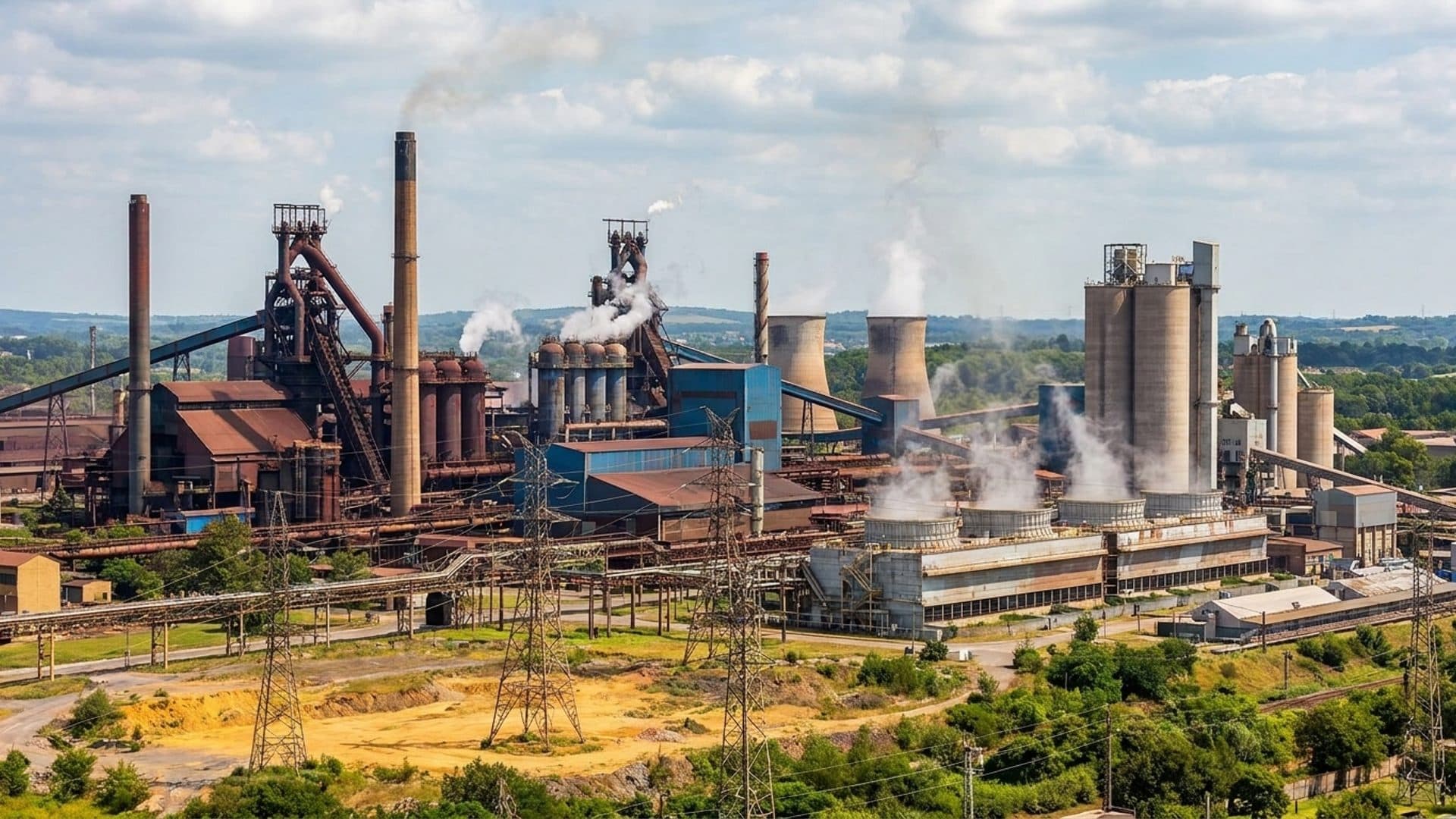
China ETS allowance allocation rules for power and heavy industry are under consultation after the Ministry of Ecology and Environment published a draft plan online on 27 July 2026. The proposal covers power generation for 2025 and 2026, and steel, cement and aluminium smelting for 2026. Comments close on 5 August, leaving only nine days from online publication.
The plan could affect compliance costs for some of the world's most important material suppliers. Manufacturers buying Chinese steel, cement, aluminium or electricity-intensive components should expect carbon performance to influence supplier economics and investment decisions.
Free Allowances Remain Linked To Carbon Intensity
The draft continues free allocation while refining performance incentives. Power-sector allowances use output and heat supplied, multiplied by category benchmarks. Proposed 2026 electricity benchmarks tighten for conventional coal units above and below 300 MW and for unconventional coal units, while the gas benchmark remains unchanged.
For steel, cement clinker and aluminium electrolysis, China ETS allowance allocation would use verified emissions adjusted by a carbon-intensity coefficient. Facilities performing better than the industry balance value receive a positive adjustment, while poorer performers receive less. The coefficient is capped at plus or minus 3% when performance differs from the balance value by at least 20%.
Coverage Includes Direct Industrial Greenhouse Gases
Power, steel and cement coverage focuses on direct carbon dioxide emissions. Aluminium smelting also includes carbon tetrafluoride and hexafluoroethane, converted to carbon dioxide equivalent. Indirect emissions from purchased electricity or heat are outside this allocation calculation.
Pre-allocation would normally equal 50% of the previous year's verified emissions, although provincial authorities could reduce the proportion to manage compliance risk. Special rules cover new, closed and low-emitting installations, and certain alternative fuels or processes.
Global Supply Chains Should Model Carbon-Cost Scenarios
China ETS allowance allocation is not yet the final allocation method. Covered operators should test allowance positions under the proposed benchmarks and coefficients, validate production and emissions records, and comment before 5 August. Buyers should ask strategic suppliers how China ETS allowance allocation could affect prices, decarbonisation projects and low-carbon material claims.
Official source
Ministry of Ecology and Environment of China, draft national ETS allowance allocation plan published online 27 July 2026mee.gov.cn
Topics
Questions about this change
Which sectors are covered by the China ETS allowance allocation draft?
The proposal covers power generation for the 2025 and 2026 compliance years, and steel, cement and aluminium smelting for 2026. Power, steel and cement calculations cover direct carbon dioxide. Aluminium also includes carbon tetrafluoride and hexafluoroethane, converted into carbon dioxide equivalent under the applicable accounting guidance for covered Chinese installations.
Does the proposal introduce paid carbon allowances?
No. The draft continues free allocation using carbon-intensity methods, while preparing the system for a mix of free and paid allowances. Performance affects whether facilities receive a surplus or face a shortfall. Companies should not assume the consultation formula is final and should monitor the Ministry's decision after comments close.

Dr Steven Brennan
CEO and co-founder of Foresight, and a co-opted member of ECHA's Committee for Socio-economic Analysis. He holds a PhD in chemical engineering.
More from Dr Steven BrennanFind out what this means for your products
Foresight follows changes like this one and shows where they reach your substances, products and markets.
 Brazil
 United States
 Taiwan
Join 3,500+ professionals staying ahead
Foresight Weekly brings the week's regulatory changes across chemicals, product safety, sustainability, ESG and EHS into one email.
Read by professionals at


