 Netherlands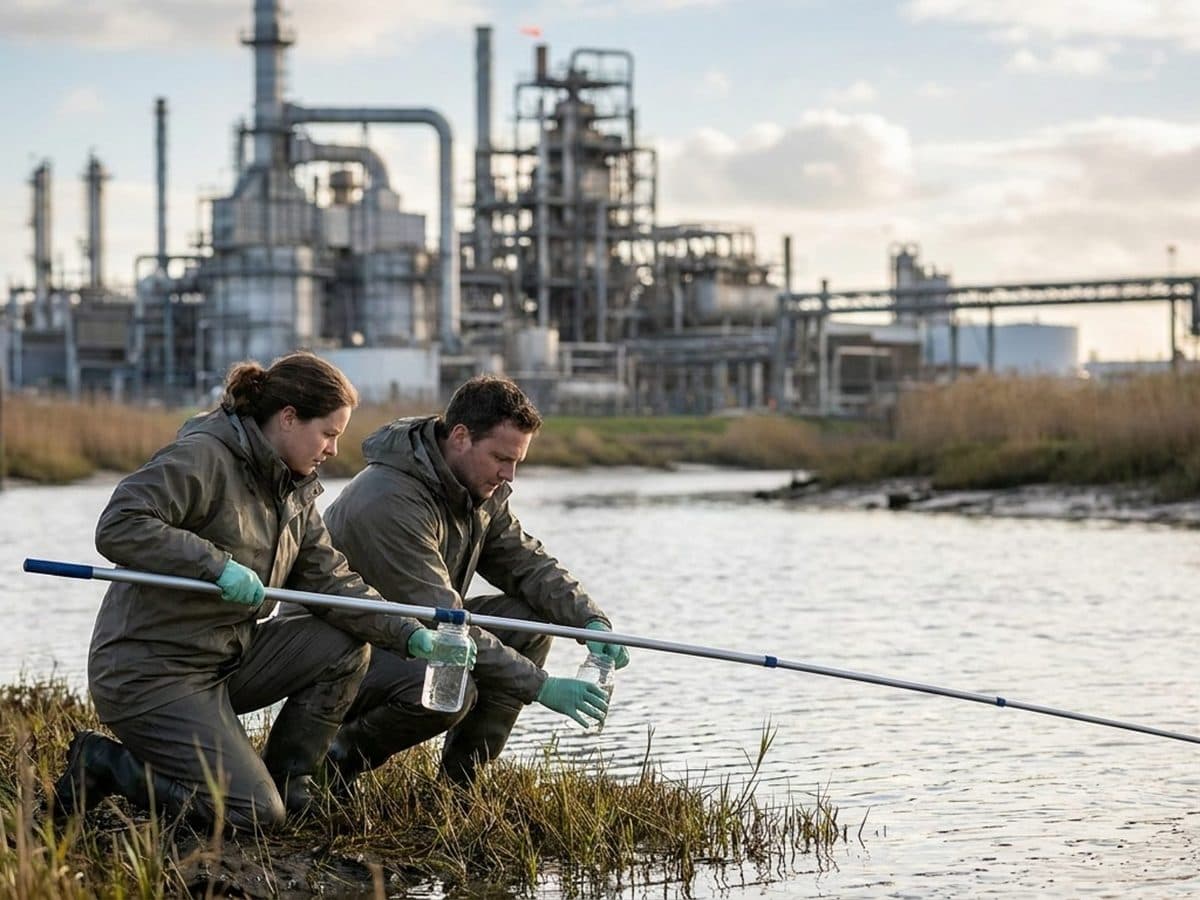
Greenpeace Files Chemours PFAS Enforcement Request In The Netherlands
Greenpeace has asked DCMR to stop alleged unpermitted PFAS releases from Chemours Dordrecht, but the regulator has not yet determined the claims.

Dr Steven Brennan
3 min readAI-drafted, expert reviewed
The Chemours PFAS enforcement request filed by Greenpeace Netherlands asks DCMR Milieudienst Rijnmond to stop alleged unpermitted air emissions and discharges to the municipal sewer at the company's Dordrecht site. The request was submitted on 3 September 2026 and copied to national and provincial authorities.
Greenpeace alleges that releases without the required environmental authorisation breach Article 5.1 of the Dutch Environment and Planning Act. Chemours and DCMR have not, through this filing, been shown to accept those allegations. The request is not a regulator finding, permit withdrawal or new general duty for Dutch industry.
Chemours PFAS Enforcement Request Names Six Release Routes
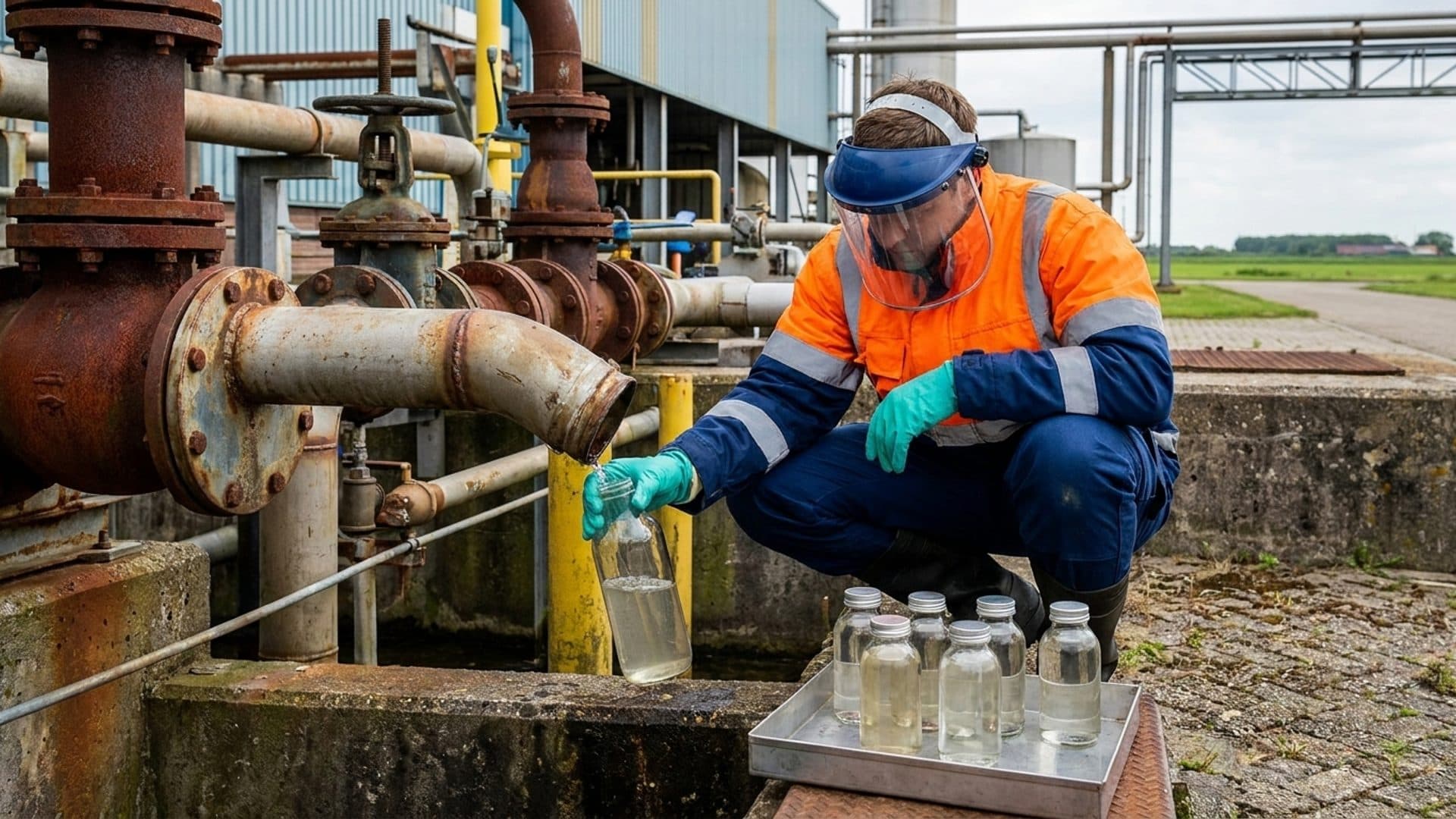
The filing identifies sewer discharges of trifluoroacetic acid (TFA), perfluoropropionic acid (PFPrA), o-PFPrA, tetrafluoropropionic acid (TFPrA) and difluoroacetic acid (DFA). It separately alleges unpermitted TFA emissions to air. Greenpeace asks DCMR to use administrative coercion, rather than further penalty payments, until Chemours can produce adequate permits.
The legal position is narrower than that demand. DCMR supervises air emissions and indirect discharges through the municipal sewer on behalf of the Province of South Holland. Rijkswaterstaat is responsible for direct discharges to the Beneden Merwede. Existing DCMR measures concerning TFA and TFPrA form part of the wider permitting history. The new request does not automatically replace those decisions or close the plant.
TFA also has an evolving hazard status. The European Chemicals Agency's Committee for Risk Assessment adopted an opinion on 5 June 2026 that recommends classification as toxic to reproduction category 1B, persistent, mobile and toxic, and very persistent and very mobile. That opinion is not yet a harmonised Classification, Labelling and Packaging entry, so it should not be described as a binding new classification.
What Applies Now And What Could Change
Chemours must continue to comply with its current permits, enforcement orders and generally applicable Dutch environmental law. Other manufacturers receive no new duty from Greenpeace's filing. DCMR must assess the request and can accept it, reject it or take a different enforcement approach based on the evidence and its statutory powers.
Chemical sites should still treat the case as a warning about substances that appear in emissions or wastewater but are absent from old permit inventories. Compliance teams should reconcile raw-material, by-product and degradation-product data against each permitted release route. Wastewater contracts do not replace environmental authorisation for indirect discharges.
The request links emerging hazard classification with site permitting. Even before a future CLP classification becomes binding, new hazard evidence can increase scrutiny of whether a substance was fully disclosed, assessed and minimised under a current permit.
Businesses should review permit inventories against monitoring data for short-chain PFAS. The review should clearly separate authorised limits, pending applications and third-party allegations. Related Foresight coverage explains the earlier Dutch PFAS discharge and permitting position.
Official source
Greenpeace Netherlands, enforcement request to DCMR Milieudienst Rijnmond (3 September 2026)greenpeace.org
Questions about this change
Has DCMR Ordered Chemours To Stop These PFAS Releases?
Not through this development. Greenpeace requested immediate administrative enforcement, but no public DCMR decision on the 3 September filing was found. Existing permits and earlier enforcement measures remain the operative legal instruments unless the authority changes them.
Does The TFA Opinion Already Change EU Chemical Labels?
No. The European Chemicals Agency committee adopted a scientific opinion that recommends reproductive-toxicity and mobility classifications. A harmonised classification requires a later European Commission measure before it changes mandatory CLP entries and related supplier duties.

Dr Steven Brennan
CEO and co-founder of Foresight, and a co-opted member of ECHA's Committee for Socio-economic Analysis. He holds a PhD in chemical engineering.
More from Dr Steven BrennanFind out what this means for your products
Foresight follows changes like this one and shows where they reach your substances, products and markets.
- PFAS portfolio reviewWhere PFAS sit in your products, under each definition that applies.
- Substitution screeningAlternatives to a substance of concern, checked for their own hazards and restrictions.
- Regulatory horizon scanningAlerts scored for your organisation, most important first.

 European Economic Area
ECHA RAC Review Puts TFA Classification In Focus For EU Chemical Compliance

European Economic Area
Denmark Corrects PFAS24 Industrial Wastewater Guideline By Tenfold
Join 3,500+ professionals staying ahead
Foresight Weekly brings the week's regulatory changes across chemicals, product safety, sustainability, ESG and EHS into one email.
Read by professionals at


