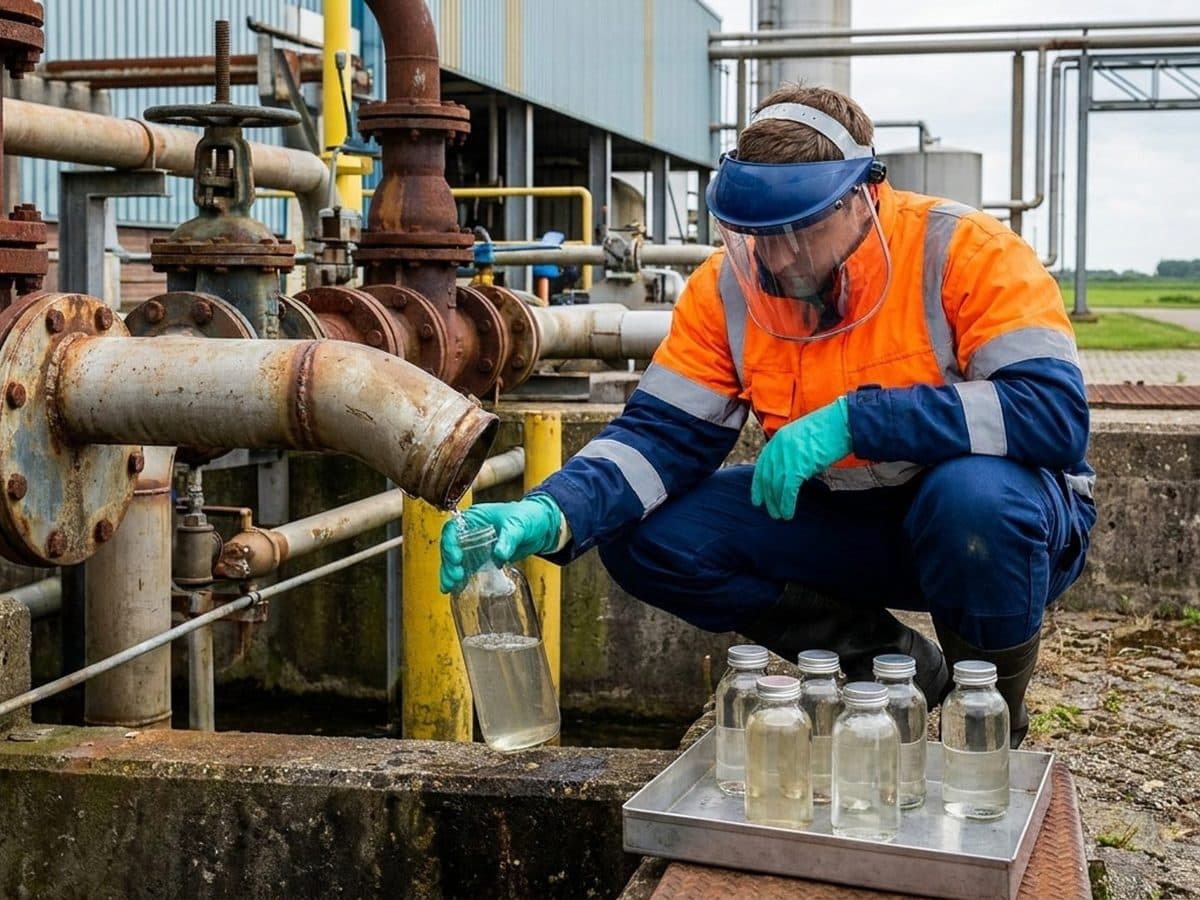
ECHA RAC Review Puts TFA Classification In Focus For EU Chemical Compliance
ECHA's RAC review of TFA highlights possible new CLP duties for PFAS, water, agriculture and industrial supply chains.

Dr Steven Brennan
2 min readAI-drafted, expert reviewed

Trifluoroacetic acid (TFA) has moved further into the EU chemicals spotlight after ECHA's Committee for Risk Assessment (RAC) discussed the substance during its RAC-77 meeting in June 2026. The review is important for professionals across the chemicals ecosystem because TFA is a highly persistent PFAS-related substance linked to pesticides, fluorinated gases and other fluorinated chemicals.
TFA Classification Under CLP
Germany submitted the harmonised classification and labelling proposal for TFA and related inorganic salts to ECHA under the Classification, Labelling and Packaging Regulation. RAC's role is to assess the scientific evidence and prepare an opinion for the European Commission, which is responsible for final decisions under CLP.
The proposed classification includes reproductive toxicity, acute inhalation toxicity, skin corrosion, aquatic chronic toxicity, and the newer environmental hazard classes PMT and vPvM. These refer to substances that are persistent, mobile and toxic, or very persistent and very mobile.
Why TFA Matters For PFAS Supply Chains
TFA belongs to the wider group of per- and polyfluoroalkyl substances, known as PFAS. It can form when certain fluorinated substances break down, including some plant protection products, biocides, refrigerants and industrial chemicals.
Its regulatory significance comes from its high persistence and mobility in water. These properties mean TFA can spread through the environment and may be difficult to remove once present in groundwater, surface water or drinking water sources.
For manufacturers, importers and downstream users, the RAC review is a signal to examine whether products, intermediates or degradation pathways could contribute to TFA formation.
Compliance Implications For Industry
If the European Commission adopts a harmonised TFA classification, companies may need to update safety data sheets, labels, workplace controls and hazard communication. The impact could extend beyond chemical producers to agriculture, refrigeration, water utilities, pharmaceuticals, waste management and environmental testing services.
Businesses should review substance inventories, supplier declarations and lifecycle assessments for TFA-related risks. Early mapping will help compliance teams prepare for possible CLP changes and future PFAS policy measures.
Next Steps For The TFA Review
Following RAC's scientific assessment, any opinion will feed into the Commission's decision-making process. The outcome could shape both substance-specific duties for TFA and wider EU discussions on persistent PFAS degradation products.
Questions about this change
What Is TFA?
TFA is trifluoroacetic acid, a highly persistent PFAS-related substance. It may be used directly in specialist chemical applications but is also formed when some fluorinated substances degrade. Regulators are concerned because it is mobile in water and can persist in the environment.
What Should Companies Do About TFA Classification?
Companies should identify substances and products that contain TFA or may form TFA during use, disposal or degradation. Compliance teams should monitor RAC and Commission decisions, review safety data sheets, check supplier data and assess whether future CLP updates could affect labelling or risk management.

Dr Steven Brennan
CEO and co-founder of Foresight, and a co-opted member of ECHA's Committee for Socio-economic Analysis. He holds a PhD in chemical engineering.
More from Dr Steven BrennanFind out what this means for your products
Foresight follows changes like this one and shows where they reach your substances, products and markets.
 Netherlands
 European Economic Area
PFAS Pesticides Face Rising Regulatory Scrutiny Over TFA Groundwater Risks

European Economic Area
Denmark Corrects PFAS24 Industrial Wastewater Guideline By Tenfold
Join 3,500+ professionals staying ahead
Foresight Weekly brings the week's regulatory changes across chemicals, product safety, sustainability, ESG and EHS into one email.
Read by professionals at


