 Great Britain
UK Microplastics APPG Calls For Binding National Reduction Plan
A UK parliamentary group has proposed binding microplastic reduction targets and controls across products, wastewater and waste, but its report does not change current law.

Dr Steven Brennan
3 min readAI-drafted, expert reviewed
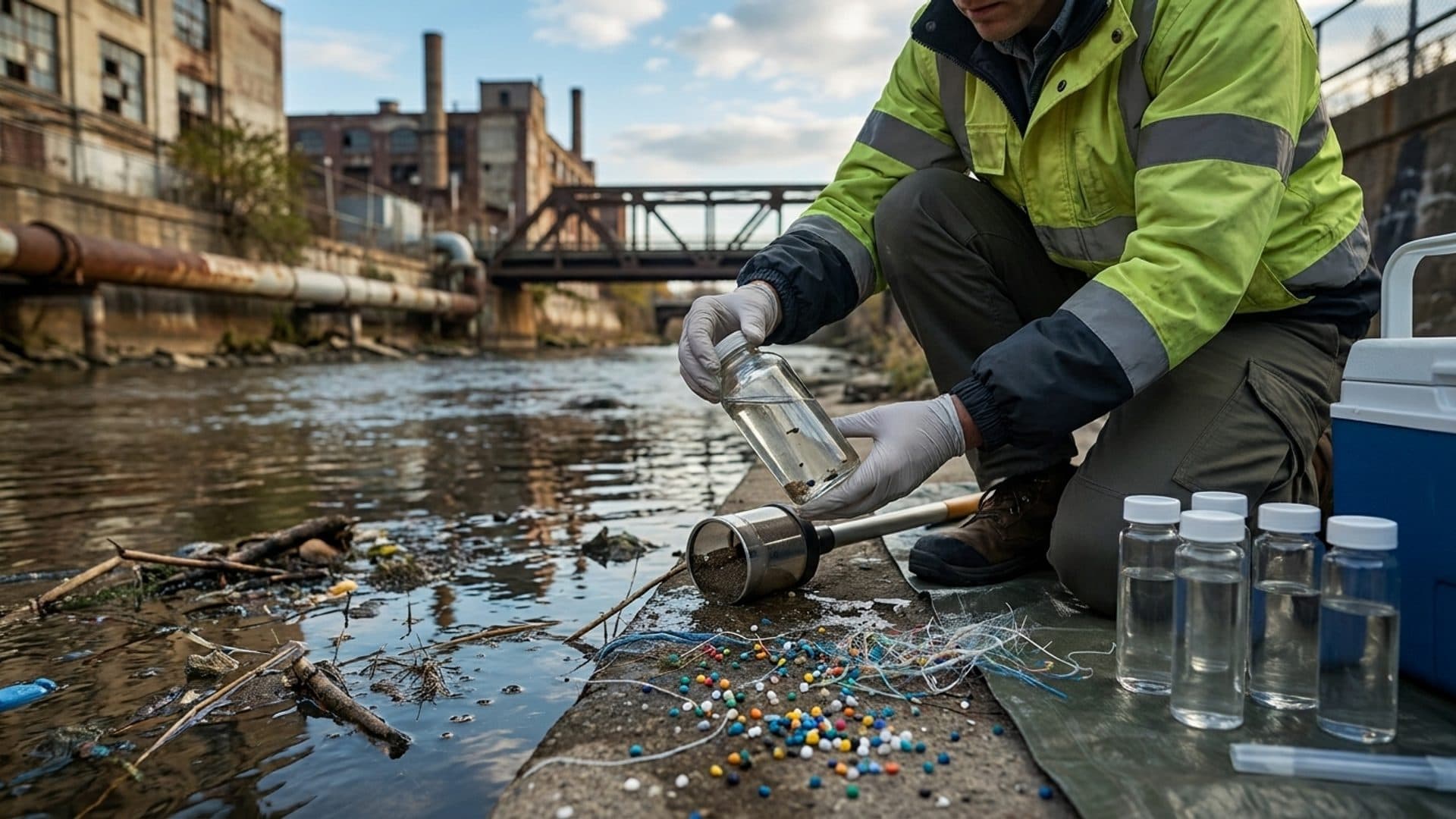
The UK microplastics plan recommended by the All-Party Parliamentary Group (APPG) on Microplastics would combine binding reduction targets with controls on major sources and better national monitoring. Published on 1 September 2026, the inquiry report covers the five-year period from 2026 to 2031 but does not change the law.
The report was prepared with the National Federation of Women's Institutes and the Global Plastics Policy Centre at the University of Portsmouth. The APPG is an informal cross-party group rather than a parliamentary select committee. It argues that current UK measures address only a fraction of releases and do not form a coordinated national framework.
UK Microplastics Plan Targets Products And Release Pathways
The APPG identifies five priorities:
- Establish a coordinated policy framework with legally binding targets.
- Regulate major release sources through upstream product and design measures.
- Strengthen producer responsibility and economic incentives across the plastics lifecycle.
- Improve controls for wastewater, sewage sludge and soils.
- Build a national monitoring and evidence system.
Potential sources include plastic pellets, synthetic textiles, tyre wear, paints and coatings, wastewater, sludge applied to land and infill used on artificial sports pitches. The report also connects microplastic pollution with human exposure, soil quality, agricultural productivity, fisheries and waste-management costs.
These are recommendations, not settled regulatory scope. The report sets no enforceable particle-size threshold, concentration limit, exemption or transition period. It does not amend UK Registration, Evaluation, Authorisation and Restriction of Chemicals rules, product standards, environmental permits, producer-responsibility schemes or wastewater requirements. A binding measure would require a separate government or legislative process, with its own impact assessment and commencement provisions.
What Manufacturers Should Take From The Report
Manufacturers and importers should not present the APPG recommendations as impending law. They can use the five priorities to test whether current environmental and product data would support future source-specific controls. Pellet-loss records, fibre-shedding evidence, tyre-abrasion data, coating losses and wastewater monitoring could become more valuable if ministers pursue the plan.
Wastewater operators and organisations applying sludge to agricultural land should review how microplastics are measured and passed through treatment systems. Retailers and procurement teams can ask suppliers for material composition, release and end-of-life information without imposing unsupported specifications.
The report shifts attention from isolated consumer-product restrictions towards lifecycle releases. If the government adopts that approach, compliance could depend less on whether microplastics are intentionally added and more on emissions during manufacture, use, washing, abrasion and disposal. This would widen the practical scope beyond businesses that already track intentionally added particles.
The most useful immediate action is evidence preparation, not premature reformulation. Organisations should map microplastic sources and available release data across products, production, use and disposal. They should record current controls, testing gaps and weak supplier information while monitoring for a formal government response or consultation.
Official source
All-Party Parliamentary Group on Microplastics, second inquiry report (1 September 2026)thewi.org.uk
Questions about this change
Does The APPG Report Create New UK Microplastics Duties?
No. An All-Party Parliamentary Group cannot itself make law. The report recommends a national framework and binding targets, but current product, chemicals, waste and environmental-permitting duties remain unchanged until the government or Parliament adopts a separate measure.
Which Sectors Could Future UK Microplastics Controls Affect?
The report highlights pellets, textiles, tyres, paints, wastewater, sewage sludge, soils and sports-pitch infill. Future measures could reach manufacturers, importers, water companies, waste operators, agricultural users, retailers and procurement teams, although the final scope remains undecided.

Dr Steven Brennan
CEO and co-founder of Foresight, and a co-opted member of ECHA's Committee for Socio-economic Analysis. He holds a PhD in chemical engineering.
More from Dr Steven BrennanFind out what this means for your products
Foresight follows changes like this one and shows where they reach your substances, products and markets.
 Norway
 Netherlands
Join 3,500+ professionals staying ahead
Foresight Weekly brings the week's regulatory changes across chemicals, product safety, sustainability, ESG and EHS into one email.
Read by professionals at


