 United States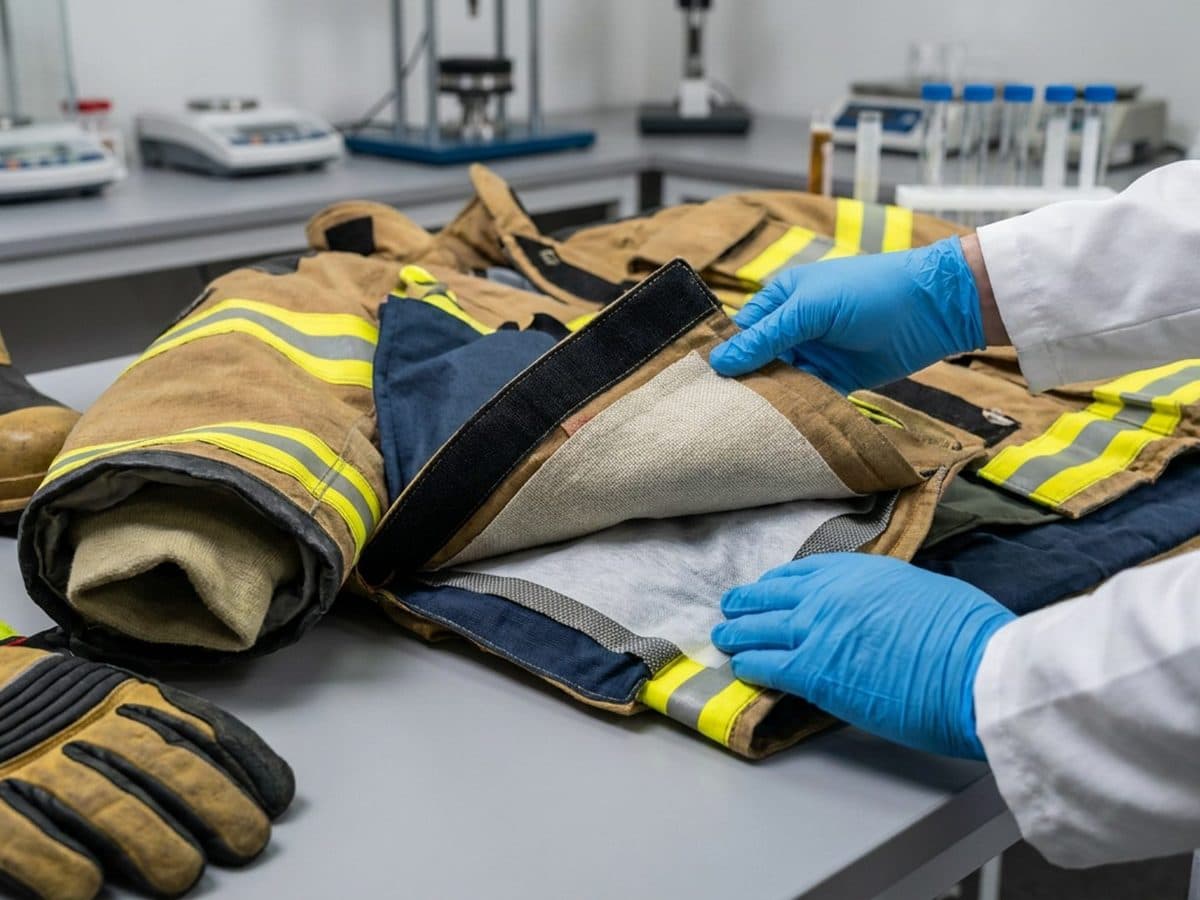
New Jersey PFAS Ban Advances For Apparel And Diaper Products
New Jersey's PFAS ban for apparel and diapers advances, giving brands two years to prepare for possible compliance duties.

Dr Steven Brennan
2 min readAI-drafted, expert reviewed

New Jersey lawmakers have advanced bill S1281, a proposal to ban apparel and diaper products containing intentionally added per- and polyfluoroalkyl substances (PFAS). On 4 June 2026, the Assembly Consumer Affairs Committee reported the Senate committee substitute out of committee with amendments, moving the bill to second reading in the Assembly after earlier Senate passage.
PFAS Ban Would Expand New Jersey Chemicals Law
As amended, S1281 would add apparel and diaper products to New Jersey's "Protecting Against Forever Chemicals Act". Beginning two years after the bill's effective date, no person could sell, offer for sale, manufacture, or distribute covered products containing intentionally added PFAS in the state.
The proposal would apply to apparel and separately defined diaper products. Diapers are described as absorbent products, disposable or reusable, worn to contain human waste. Menstrual products are excluded from the diaper definition.
Apparel, Diapers And PFAS Exclusions
The bill retains important exemptions. These include personal protective equipment, clothing for exclusive use by the United States military, and equipment or protective apparel designed for the safe operation of motorcycles or off-highway vehicles.
PFAS are widely known as "forever chemicals" because of their environmental persistence. They have been used in some textiles and consumer products for water, stain or grease resistance.
For brands, retailers, importers and suppliers, the proposed PFAS ban would increase pressure to verify formulations, coatings, textile treatments and supplier declarations.
Compliance Implications For Manufacturers And Retailers
Violations would be handled under the enforcement and penalty provisions of the existing Protecting Against Forever Chemicals Act. The bill also directs the Division of Consumer Affairs and the Department of Environmental Protection to adopt implementing regulations under the Administrative Procedure Act.
Companies selling into New Jersey should begin mapping affected stock keeping units, reviewing PFAS-free claims, checking contractual controls with suppliers and preparing documentation for diaper and apparel product lines.
Next Steps For S1281
S1281 is now at second reading in the Assembly. If passed by the Assembly and approved by the Governor, the two-year phase-in would begin from the bill's effective date.
Official source
New Jersey Legislature, S1281 Senate committee substitute with Assembly amendments, 4 June 2026pub.njleg.gov
Questions about this change
What Products Would New Jersey's PFAS Ban Cover?
The bill would cover apparel and diaper products containing intentionally added PFAS. This includes many clothing categories and absorbent diaper products used to contain human waste. It excludes menstrual products from the diaper definition and retains exemptions for PPE, military clothing and certain vehicle safety apparel.
When Would The PFAS Ban Take Effect?
The ban would begin two years after S1281's effective date, but only if the bill is enacted. Manufacturers, importers and retailers should monitor Assembly action and any gubernatorial approval before confirming final compliance deadlines.

Dr Steven Brennan
CEO and co-founder of Foresight, and a co-opted member of ECHA's Committee for Socio-economic Analysis. He holds a PhD in chemical engineering.
More from Dr Steven BrennanFind out what this means for your products
Foresight follows changes like this one and shows where they reach your substances, products and markets.
- PFAS portfolio reviewWhere PFAS sit in your products, under each definition that applies.
- Substitution screeningAlternatives to a substance of concern, checked for their own hazards and restrictions.
- Regulatory horizon scanningAlerts scored for your organisation, most important first.
 Rhode Island

Join 3,500+ professionals staying ahead
Foresight Weekly brings the week's regulatory changes across chemicals, product safety, sustainability, ESG and EHS into one email.
Read by professionals at


