 Netherlands
Hydrazine Exposure Limit Study Tests 77% Dutch Workplace Reduction
The Netherlands will test whether workplaces can meet a hydrazine limit of 0.00304 mg/m³, around 77% below the current statutory value.

Dr Steven Brennan
2 min readAI-drafted, expert reviewed

A hydrazine exposure limit feasibility study will begin in the Netherlands on 28 September 2026, following an official industry announcement published on 23 July. The workplace substances exposure expert office, BSW, will test whether employers can meet an eight-hour time-weighted average of 0.00304 mg/m³, compared with the current statutory value of 0.013 mg/m³ or 0.01 ppm.
The hydrazine exposure limit target would reduce the Dutch limit by about 77%. It is not yet a new legal duty, but the evidence collected could shape whether a lower binding limit is adopted.
Industry Evidence Will Test Technical Feasibility
The Social and Economic Council's workplace exposure committee is inviting companies, trade associations and specialists to join the 28 September starting meeting. BSW will explain the procedure, timetable, evidence requirements and assessment framework.
Participants are expected to provide representative workplace measurements and information on technical and organisational controls. A credible hydrazine exposure limit assessment therefore depends on data from real tasks, not only laboratory calculations or generic safety data sheets.
Hydrazine Uses Span High-Value Manufacturing
Hydrazine and related compounds can be encountered in chemical and pharmaceutical production, polymer and foam manufacture, metal treatment, boiler-water conditioning, energy systems, aerospace and defence applications. Exposure can arise during charging, transfer, sampling, maintenance, cleaning, waste handling and emergency work.
Sites should map who performs these tasks, including contractors, and distinguish routine eight-hour exposure from short-duration peaks. Engineering measures may include closed transfer, local exhaust ventilation, automated sampling, leak detection and segregated maintenance. Respiratory and skin protection remain supporting controls rather than substitutes for preventing release.
Prepare Data Without Treating The Target As Law
Dutch employers must continue complying with the current statutory hydrazine exposure limit while the feasibility work proceeds. EHS teams should review monitoring methods, detection limits, task coverage and control performance against the lower target. Companies with representative evidence can help ensure that any future decision reflects achievable controls, exposure variability and the needs of smaller operators as well as major plants.
Questions about this change
Has the Dutch hydrazine exposure limit changed already?
No. The announced work is a feasibility assessment of a possible eight-hour limit of 0.00304 mg/m³. The current statutory value remains 0.013 mg/m³ or 0.01 ppm unless and until the Dutch authorities complete the process and adopt a change. Employers must maintain existing legal controls throughout this ongoing review period.
What evidence should hydrazine users prepare?
Companies should assemble representative personal and area monitoring, task descriptions, analytical detection limits, operating conditions and evidence for engineering and organisational controls. Include maintenance, sampling, cleaning, waste and contractor activities. Data should show exposure variability and practical feasibility, while explaining limitations, unusual events and improvements against the proposed lower target.

Dr Steven Brennan
CEO and co-founder of Foresight, and a co-opted member of ECHA's Committee for Socio-economic Analysis. He holds a PhD in chemical engineering.
More from Dr Steven BrennanFind out what this means for your products
Foresight follows changes like this one and shows where they reach your substances, products and markets.
- Occupational exposure limit reviewThe exposure limits that apply at each site, checked when a country revises them.
- Workplace chemical risk assessmentsAssessments and controls for each task, including COSHH assessments in the UK.
- Regulatory horizon scanningAlerts scored for your organisation, most important first.
 European Union
 Japan
Japan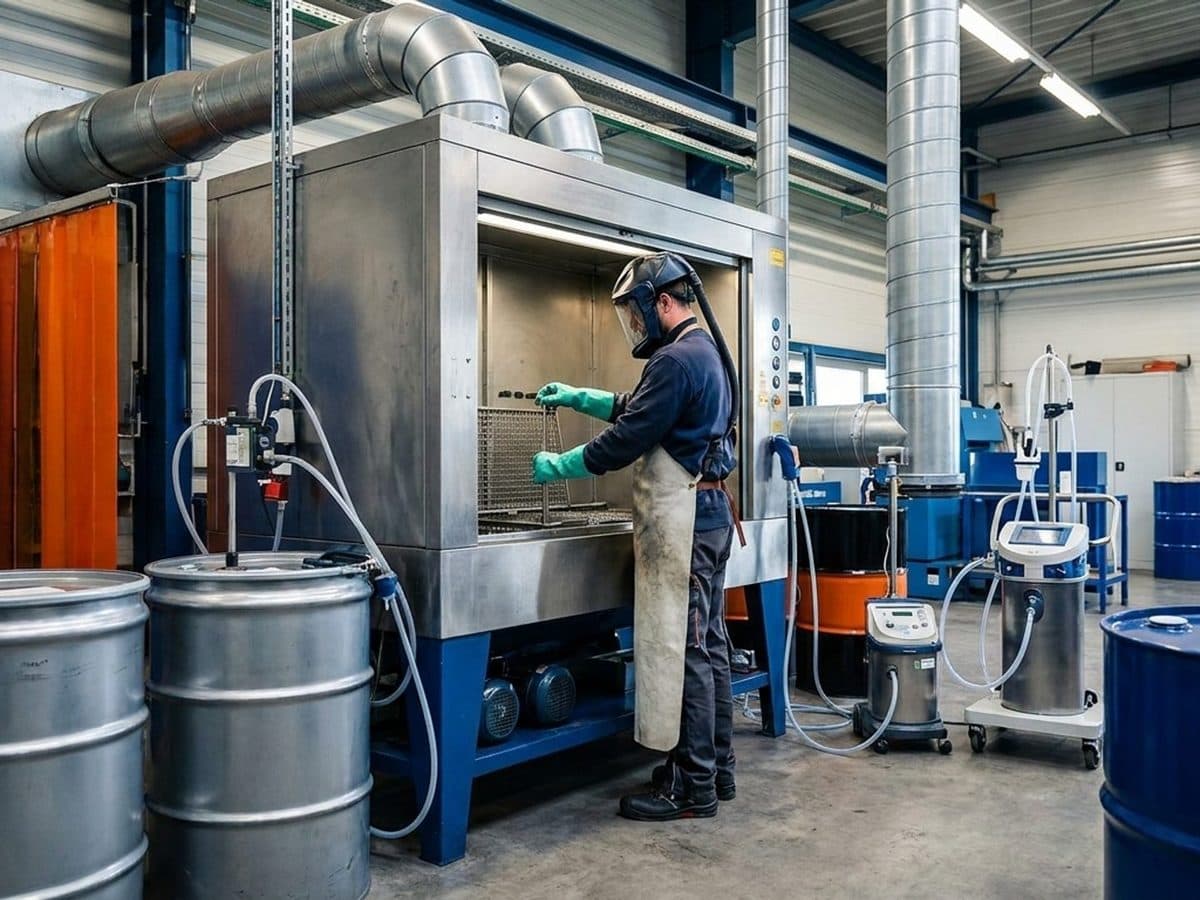
 United States
Join 3,500+ professionals staying ahead
Foresight Weekly brings the week's regulatory changes across chemicals, product safety, sustainability, ESG and EHS into one email.
Read by professionals at


