 European Union
EU State Aid Guidelines Consultation Opens New Options For Manufacturers
The European Commission is consulting on new rescue and restructuring State aid guidelines until 4 September 2026.

Dr Steven Brennan
2 min readAI-drafted, expert reviewed
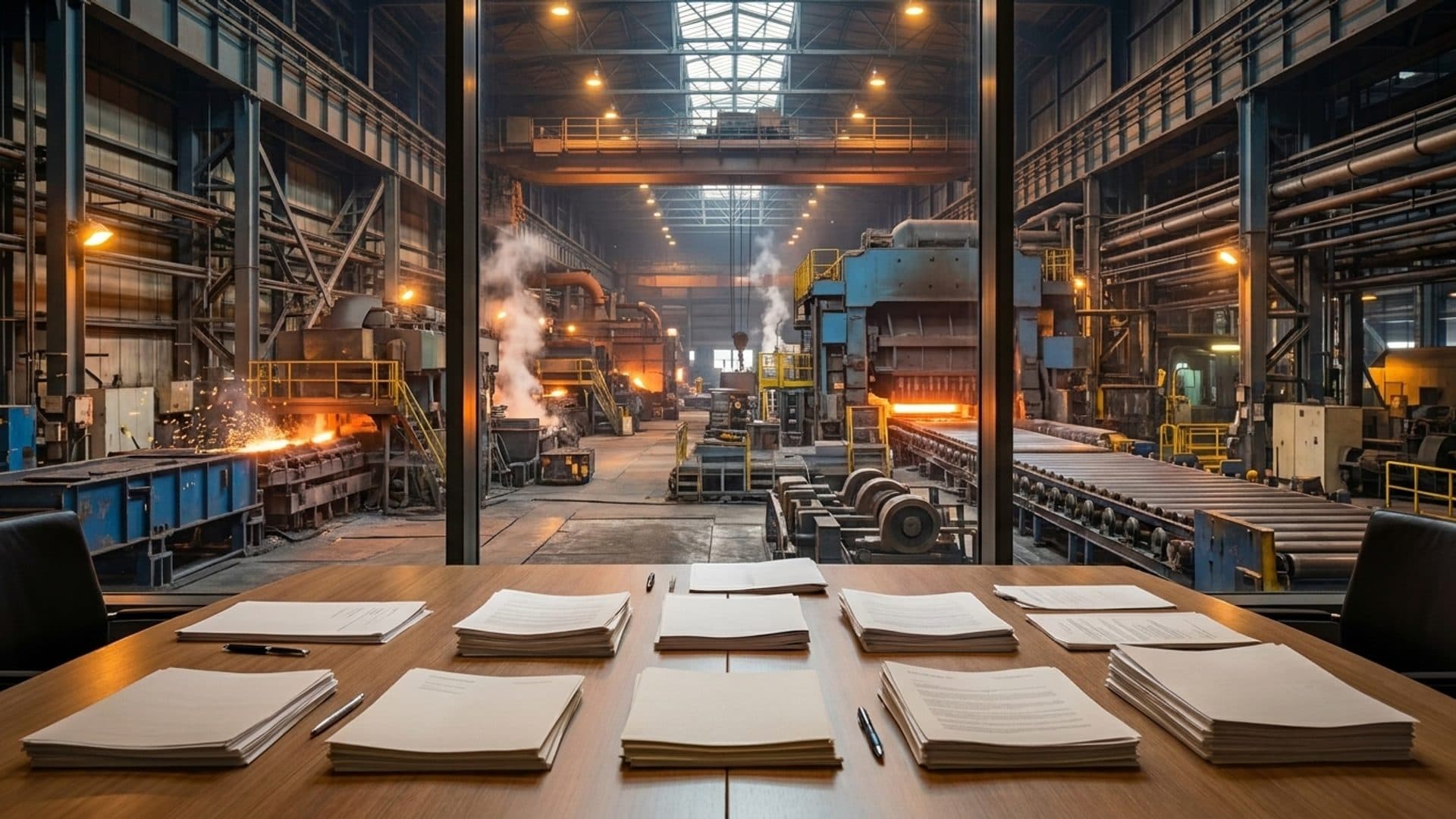
The European Commission has opened a public consultation on draft new State aid guidelines for rescuing and restructuring non-financial businesses in difficulty. The consultation runs from 24 July to 4 September 2026. The draft could reshape public support options for manufacturers, but the current 2014 guidelines remain applicable until replacement rules are adopted.
What The Draft State Aid Guidelines Change
The State aid guidelines determine when Member State rescue aid, restructuring aid and temporary restructuring support may be compatible with the EU internal market under Article 107(3)(c) TFEU.
Proposed changes would open restructuring aid to the steel sector, which is excluded under the current framework. They would also refine how innovative start-ups are assessed as undertakings in difficulty and could treat certain hybrid financing instruments more like equity. These revisions may influence eligibility, burden sharing, own contribution calculations and restructuring-plan design.
The proposal is not an aid programme and does not create an automatic right to funding. Member States would still design measures, notify aid where required and demonstrate compatibility. Companies would still need credible restructuring plans, a return to long-term viability and measures limiting competition distortions.
Manufacturing And Supply-Chain Implications
Steelmakers, energy-intensive producers, start-ups, investors and lenders should examine how the draft State aid guidelines affect financing structures and recovery options. The consultation creates a business opportunity to submit evidence on practical financing, decarbonisation investment, capacity changes and supply-chain resilience. However, boards should not delay urgent restructuring or assume draft provisions will survive unchanged.
How To Respond By 4 September
Companies and trade associations should compare active recovery plans with the consultation draft, identify problematic definitions or contribution rules, and provide substantiated examples. Finance, competition-law and sustainability teams should coordinate submissions and continue using the current State aid guidelines for live cases until final adoption.
Official source
European Commission, consultation on 2026 rescue and restructuring guidelines, opened 24 July 2026competition-policy.ec.europa.eu
Topics
Questions about this change
Can A Distressed Manufacturer Claim Aid Under The Draft Guidelines Now?
No. The consultation creates no funding scheme or entitlement. A Member State must design support and satisfy notification and compatibility rules. Companies should use the current framework for live cases while monitoring the Commission's final adoption process.
Why Does The Steel Proposal Matter?
Steel is excluded from restructuring aid under current guidelines. The draft would allow steel-sector restructuring aid, supporting viable transformations under strict conditions. Steelmakers, investors, lenders, customers and suppliers should assess implications for financing, capacity, decarbonisation and competition before the consultation closes on 4 September 2026.

Dr Steven Brennan
CEO and co-founder of Foresight, and a co-opted member of ECHA's Committee for Socio-economic Analysis. He holds a PhD in chemical engineering.
More from Dr Steven BrennanFind out what this means for your products
Foresight follows changes like this one and shows where they reach your substances, products and markets.
 Norway
 France
 Vietnam
Join 3,500+ professionals staying ahead
Foresight Weekly brings the week's regulatory changes across chemicals, product safety, sustainability, ESG and EHS into one email.
Read by professionals at


