
Key takeaway
What This Development Means
The European Commission has reopened Sinopec's polyvinyl alcohol anti-dumping investigation and required customs registration from 10 October 2026. The revised duty remains unknown. Registration preserves possible retrospective collection, while repayment decisions must await the re-examination's conclusion.
Does registration mean a new final anti-dumping duty has been set?
No. Registration preserves the possibility of retrospective collection if the legal conditions are met. The Commission states that future liability depends on the investigation and does not estimate an amount.
Can importers immediately obtain repayment of the annulled duties?
No. Article 1(3) directs national customs authorities not to decide repayment or remission applications for the covered Sinopec products before the regulation concluding the re-examination enters into force.
Source basis: Commission Implementing Regulation (EU) 2026/2245 and Notice C/2026/5252
Customs Registration Accompanies The Reopened Investigation
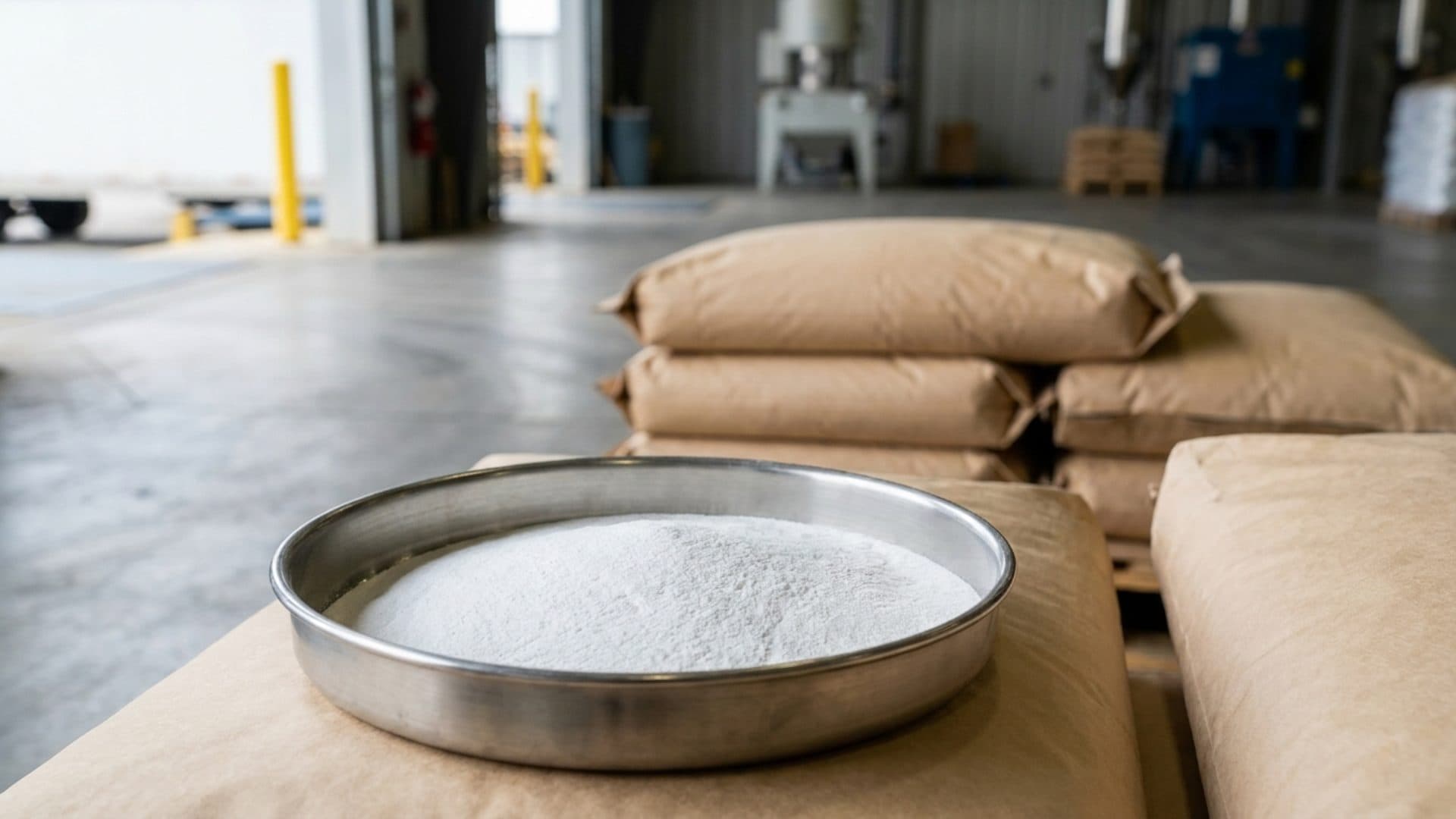
The European Commission has reopened its anti-dumping investigation for certain Sinopec polyvinyl alcohol imports following a Court of Justice ruling. A separate registration regulation took effect on 10 October 2026. It allows customs to record affected imports for possible retrospective duty collection.
The revised duty has not been determined. The Commission states that any future liability depends on the final investigation and declines to estimate an amount. Registration expires nine months after the regulation's entry into force.
The Measure Targets Specified Sinopec Products
The regulation names Sinopec Chongqing SVW Chemical Co. Ltd and Sinopec Great Wall Energy & Chemical Ningxia Co. The covered PVA originates in China and falls under CN code ex 3905 30 00, with TARIC code 3905 30 00 91. The definition also specifies viscosity and hydrolysis ranges, so manufacturer identity and product characteristics both matter.
The reopening notice concerns those producers and Sinopec Central-China. The Commission will recalculate the rate without the export-price adjustment under Article 2(10)(i) that the Court found unsupported. Findings unaffected by the judgment remain valid.
The notice says no definitive anti-dumping duty applies to the specified imports from its publication pending the re-examination. That does not guarantee permanent duty relief or an immediate refund. Article 1(3) of the registration regulation prevents customs from deciding repayment or remission applications before the regulation concluding the re-examination enters into force.
Participation Windows Are Short
Published on 9 October, the notice allows written information and supporting evidence within 10 days of publication, unless otherwise specified. Relevant exporting producers and the Union industry have 15 days from publication to request a hearing about the reopening. Requests must be written and give reasons.
Interested parties should consult the notice's submission instructions and applicable time-calculation rules immediately. Later hearing requests must meet the specific deadlines communicated by the Commission.
Keep Shipment Evidence And Cost Assumptions Aligned
Foresight analysis. Importers should identify affected shipments by producer and specification, retain entry records and review who bears any later duty under supply contracts. Purchasing teams should distinguish the current customs treatment from the unresolved final cost. A court ruling against one calculation adjustment is insufficient grounds to assume that the entire trade measure has disappeared.
Related Articles
China opens anti-dumping investigation into EU p-nitrotoluene imports
China's Ministry of Commerce has opened an anti-dumping investigation into p-nitrotoluene imported from the European Union. Interested exporters, producers and importers have 20 days from the 3 October 2026 notice to register and comment. No anti-dumping duty has been imposed at this stage, but non-cooperation can lead the ministry to rely on facts available.
US Customs updates Section 232 pharmaceutical import filing rules as global duties expand
US Customs and Border Protection has issued updated entry guidance for Section 232 duties on patented pharmaceuticals and ingredients. Coverage expanded to products of companies outside Annex III from 29 September 2026. Importers must select among HTSUS headings 9903.04.60 to 9903.04.70, applying origin, patent status, use and onshoring conditions accurately.

European Commission Confirms 50-Tonne CBAM Threshold Remains Within Statutory Emissions Cap
The first published emissions assessment keeps CBAM's 50-tonne threshold unchanged and confirms that 99.13% of relevant emissions remain in scope.


