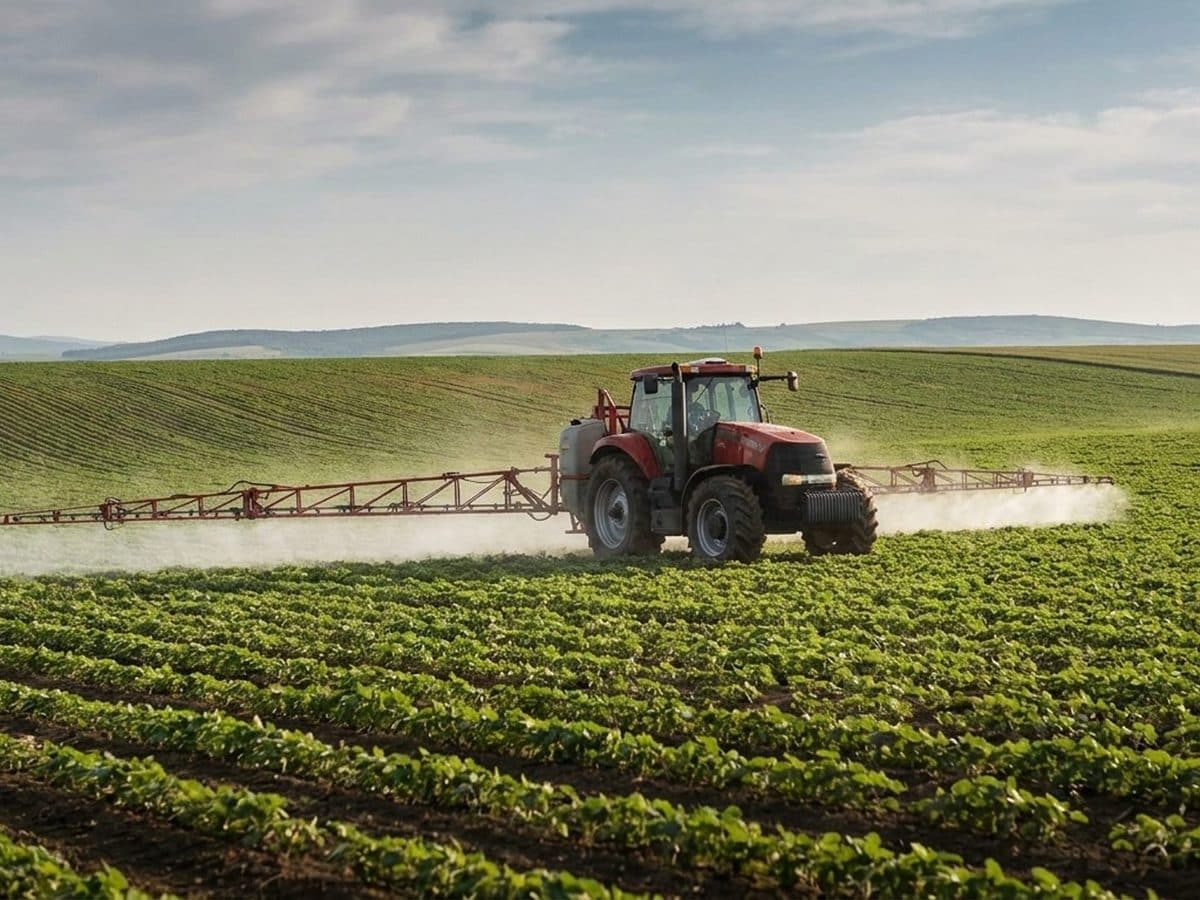
 NetherlandsPlant Protection Products Regulation
PAN-NL Seeks Withdrawal Of More Than 50 Dutch Pesticide Authorisations
PAN-NL asks the Dutch Ctgb to withdraw more than 50 pesticide approvals after the final Pitcher ruling, but no wider withdrawals have yet been ordered.

Dr Steven Brennan
3 min readAI-drafted, expert reviewed
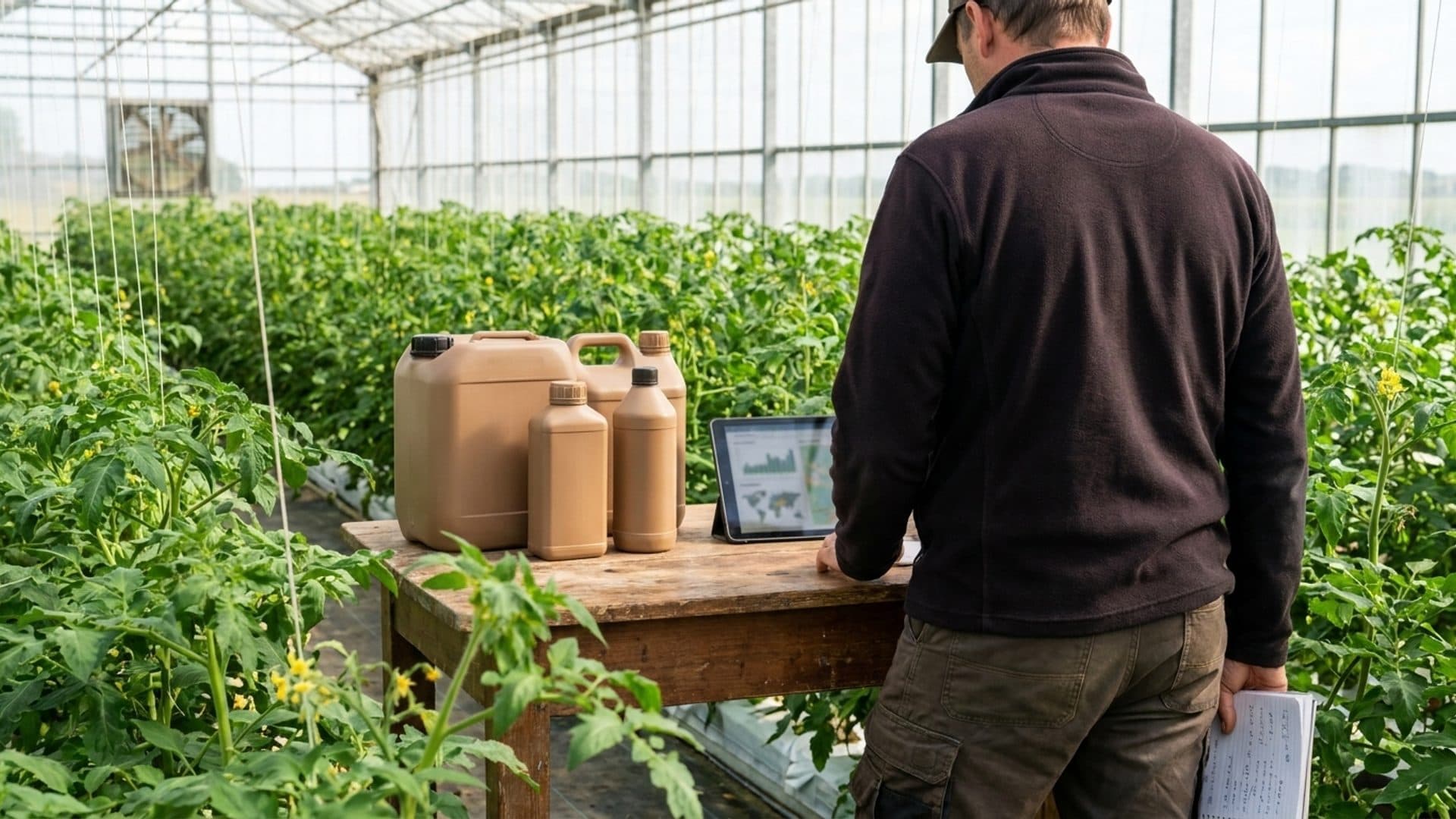
The Dutch pesticide withdrawal requests announced by Pesticide Action Network Netherlands (PAN-NL) target authorisations for more than 50 plant protection products that contain seven active substances. PAN-NL announced the development on 3 September after sending two requests to the Dutch Board for the Authorisation of Plant Protection Products and Biocides (Ctgb) on 28 August 2026.
One filing lists 23 products that contain fludioxonil. The other lists 30 products that contain six further substances: fenoxaprop-P-ethyl, buprofezin, cyprodinil, phenmedipham, thiabendazole and tebuconazole.
Dutch Pesticide Withdrawal Requests Build On Pitcher Ruling
The requests follow the College of Appeal for Business judgment of 11 August 2026 concerning Pitcher, a fungicide that contains fludioxonil. The court concluded that Pitcher should not have been authorised because its use did not meet the negligible-exposure condition that applies to the endocrine-disrupting active substance. It directed the Ctgb to make a new decision that leads to the product's removal. The ruling was final.
PAN-NL argues that the same reasoning should apply to other products that contain fludioxonil and to products with substances that meet exclusion criteria. Its filings cite Annex II to Regulation (EC) No 1107/2009. The cited points cover carcinogenicity, reproductive toxicity and endocrine-disrupting properties.
That argument has not become a regulatory determination for the listed products. The legislation contains condition-specific tests, including negligible exposure and some closed-system conditions. Product authorisations depend on approved uses, exposure assessment and other evidence. The Pitcher judgment does not itself cancel each national authorisation that contains one of the seven substances.
What Authorisation Holders And Users Should Do
Authorisation holders should confirm whether their products appear in either request. They should retrieve the exposure evidence that supports each authorised use. They should also keep European Union active-substance approval separate from national product authorisation. Current EU approval extensions and Dutch labels remain operative unless the Commission, Ctgb or a court changes them.
Distributors and growers should not remove products only because PAN-NL filed a request. They should monitor the Ctgb database for formal decisions, including grace periods for sale, storage, use or disposal. Procurement teams can identify alternatives where withdrawal could disrupt seasonal supply, but they should not claim that substitution is already mandatory.
The Pitcher judgment can shorten the distance between new hazard evidence and national product review. The practical question is no longer only whether an active substance remains approved at EU level. Each authorised use must also satisfy the applicable exposure conditions when the authority applies current scientific findings.
Businesses should map the seven active substances to Dutch products and authorised uses. They should prepare exposure evidence and substitution options while they wait for Ctgb decisions. Related Foresight coverage explains the separate Ctgb review of 46 products linked to TFA concerns.
Official source
Pesticide Action Network Netherlands, announcement of two withdrawal requests (3 September 2026)pan-netherlands.org
Questions about this change
Have The Netherlands Withdrawn All Products Named By PAN-NL?
No. PAN-NL filed withdrawal requests, but the Ctgb has not published a general decision that removes the listed products. Current authorisations and labels continue to govern supply and use until the authority issues product-specific decisions.
Which Active Substances Are Covered By The Requests?
The filings cover fludioxonil, fenoxaprop-P-ethyl, buprofezin, cyprodinil, phenmedipham, thiabendazole and tebuconazole. PAN-NL links them to endocrine disruption, reproductive toxicity or other exclusion criteria, but the Ctgb must assess the legal and scientific basis for each product.

Dr Steven Brennan
CEO and co-founder of Foresight, and a co-opted member of ECHA's Committee for Socio-economic Analysis. He holds a PhD in chemical engineering.
More from Dr Steven BrennanFind out what this means for your products
Foresight follows changes like this one and shows where they reach your substances, products and markets.
 United States
 European Union
Join 3,500+ professionals staying ahead
Foresight Weekly brings the week's regulatory changes across chemicals, product safety, sustainability, ESG and EHS into one email.
Read by professionals at


