 United States
DoD PFAS Task Force Highlights FY2025 Progress On Cleanup, Research And Foam Transition
The US Department of Defense's FY2025 PFAS Task Force report highlights cleanup, fluorine-free foam transition work and research priorities.

Dr Steven Brennan
2 min readAI-drafted, expert reviewed
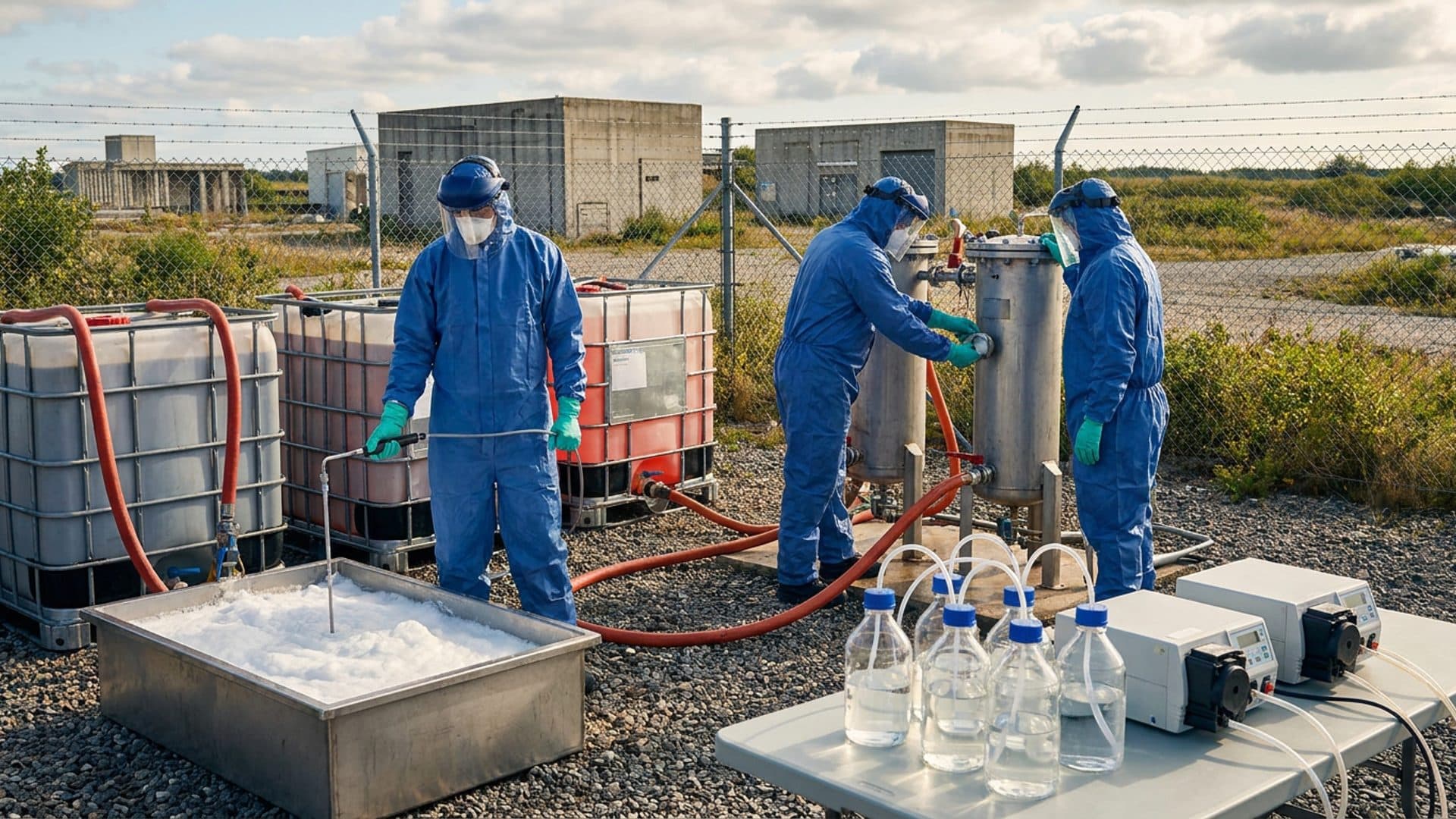
The US Department of Defense (DoD) has released its FY2025 report on PFAS Task Force activities, setting out continued work on cleanup, research, stakeholder engagement and the transition away from legacy aqueous film forming foam (AFFF). The update is relevant for defence suppliers, environmental consultants, chemical producers and manufacturers tracking PFAS substitution across critical supply chains.
The Task Force was established in 2019 to coordinate the department's response to PFAS contamination associated with military operations and historic AFFF use. The FY2025 report says its focus remains on reducing AFFF use, understanding health impacts, fulfilling cleanup duties, expanding outreach and supporting public research.
Fluorine-Free Foam Transition Continues
One of the most significant developments for industry is the continued move from fluorinated firefighting foams to fluorine-free alternatives. The report says two more fluorine-free foam products were added to the qualified products list during FY2025, bringing the total available for purchase to six.
The department also continued transition planning for more than 7,000 mobile assets and about 1,000 facilities. At the same time, it waived the prohibition on installation AFFF use for infrastructure and mobile firefighting equipment through 1 October 2026.
That balance matters for suppliers. Demand for alternatives is growing, but some operational settings still require careful qualification before legacy materials can be fully replaced.
Cleanup, Water Monitoring And Research
The report says the department updated policy to incorporate US Environmental Protection Agency PFAS drinking water levels into public water system compliance monitoring. It also took action at 55 installations to address off-base drinking water where earlier intervention had already occurred and wells were known to have high PFAS levels.
PFAS cleanup remains a long-term programme under the federal Superfund framework, formally the Comprehensive Environmental Response, Compensation, and Liability Act. For laboratories, remediation technology developers and environmental service providers, the scale of investigation and cleanup activity remains a substantial market signal.
Research also continues to expand. The report cites 340 projects, including alternatives to AFFF, and a Defense Innovation Unit initiative to prototype treatment technologies for PFAS-impacted media.
Questions about this change
What is the DoD PFAS Task Force?
The PFAS Task Force coordinates the US Department of Defense's response to PFAS contamination and management challenges. Its work includes cleanup oversight, research support, transition away from legacy firefighting foams, public communication and long-term planning for environmental and health concerns linked to PFAS.
Why does the FY2025 PFAS update matter for manufacturers?
The update points to continuing changes in defence procurement, environmental remediation and chemical substitution. Manufacturers supplying defence, aerospace, electronics, coatings and industrial markets may face rising pressure to identify PFAS-free alternatives while maintaining performance, safety and compliance.

Dr Steven Brennan
CEO and co-founder of Foresight, and a co-opted member of ECHA's Committee for Socio-economic Analysis. He holds a PhD in chemical engineering.
More from Dr Steven BrennanFind out what this means for your products
Foresight follows changes like this one and shows where they reach your substances, products and markets.
- PFAS portfolio reviewWhere PFAS sit in your products, under each definition that applies.
- Substitution screeningAlternatives to a substance of concern, checked for their own hazards and restrictions.
- Regulatory horizon scanningAlerts scored for your organisation, most important first.
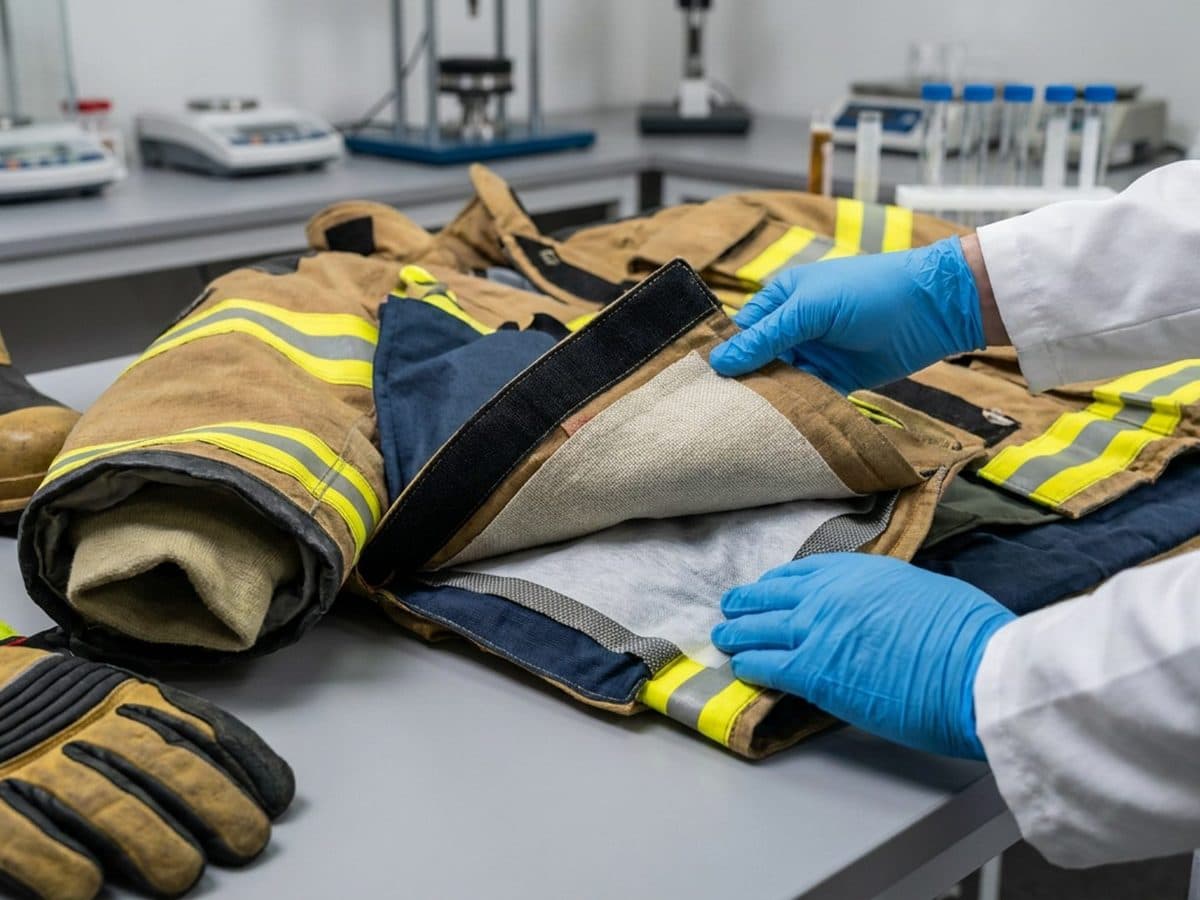
 Rhode Island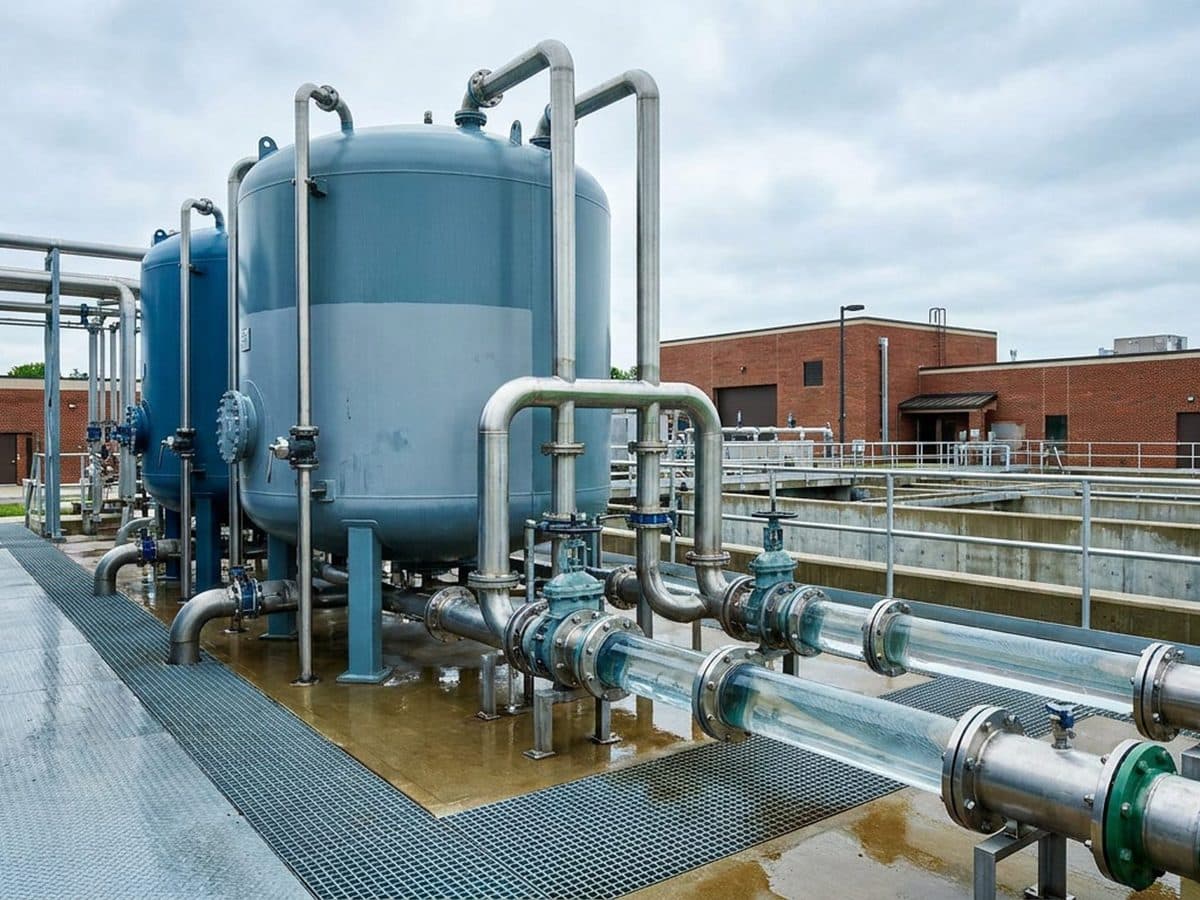
Join 3,500+ professionals staying ahead
Foresight Weekly brings the week's regulatory changes across chemicals, product safety, sustainability, ESG and EHS into one email.
Read by professionals at


