 California
California Targets Triphenyl Phosphate In Nail Products Under Safer Consumer Products Programme
California has added nail products containing TPhP above 250 ppm to its Priority Products List, triggering new compliance obligations.

Dr Steven Brennan
3 min readAI-drafted, expert reviewed
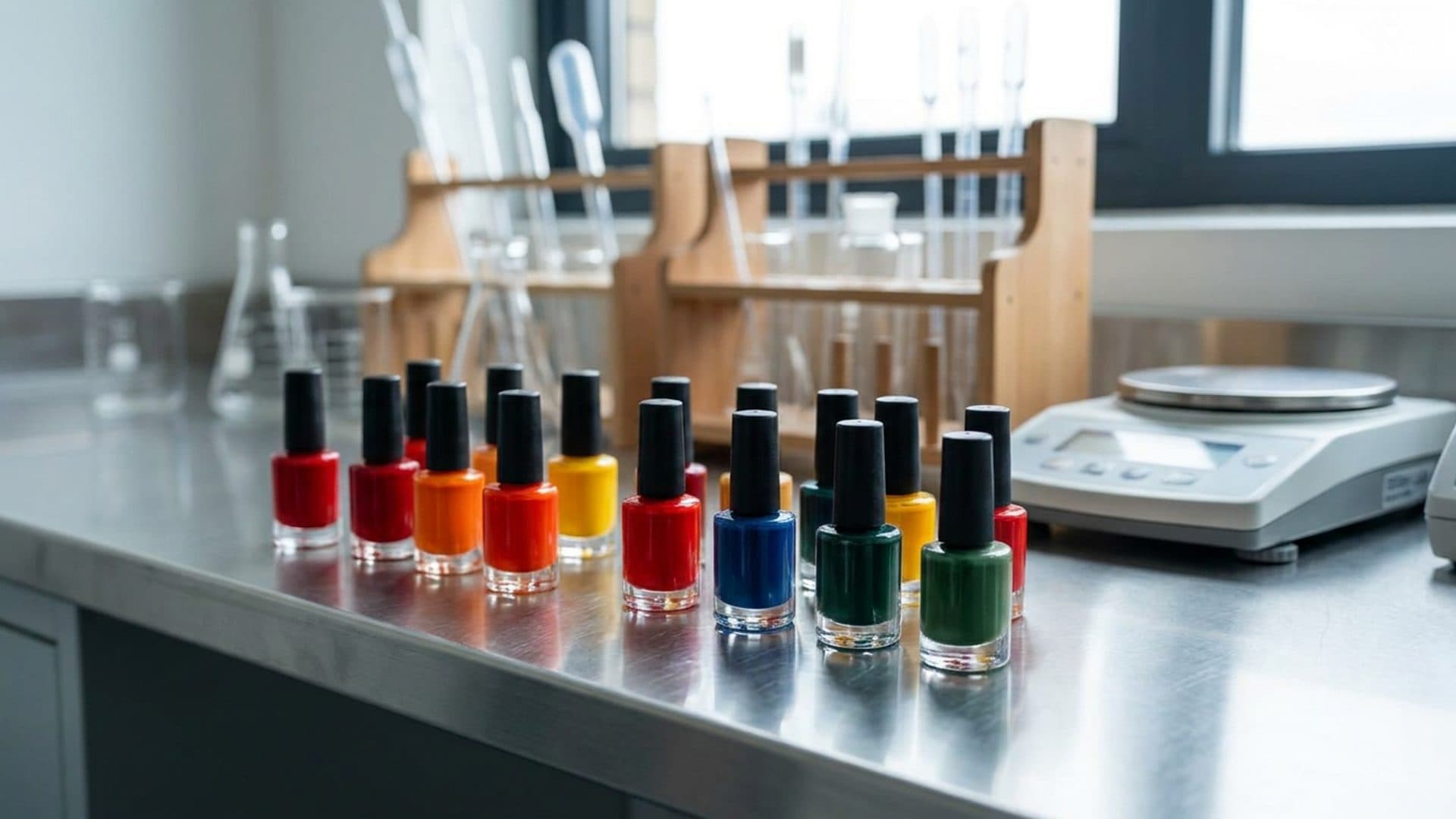
California's Department of Toxic Substances Control (DTSC) has approved a regulatory amendment adding nail products containing triphenyl phosphate (TPhP) at concentrations greater than 250 parts per million (ppm) to the state's Priority Products List. The measure, published on 5 June 2026 under California's Safer Consumer Products (SCP) Regulations, is designed to reduce exposure to a chemical linked to potential human health and environmental concerns while encouraging the development of safer alternatives.
The decision affects manufacturers, importers, distributors, retailers and supply chain stakeholders involved in cosmetic and personal care products sold in California. Products meeting the threshold will now be subject to the SCP programme's compliance framework.
Triphenyl phosphate is commonly used as a plasticiser and flame retardant and has historically been used in some nail care formulations. DTSC concluded that nail products containing TPhP above 250 ppm meet the prioritisation criteria under the SCP Regulations because they have the potential to expose people or the environment to a Candidate Chemical and may contribute to significant or widespread adverse impacts.
Under the SCP framework, the listing designates TPhP as the Chemical of Concern for the affected product category and initiates a regulatory process intended to encourage risk reduction and product reformulation.
Manufacturers whose products fall within the new Priority Product definition must notify DTSC if those products are sold in California. Following notification, companies may choose from several compliance pathways. These include removing TPhP from the product, substituting it with another chemical already used in similar products, discontinuing sales in California, or conducting an Alternatives Analysis.
The Alternatives Analysis process requires manufacturers to assess potential substitutes across a range of factors, including environmental impacts, public health impacts, waste management considerations, environmental fate and physical-chemical hazards. DTSC emphasises that it does not mandate a specific outcome or replacement substance.
The rule is likely to increase scrutiny of ingredient selection and chemical management practices across the cosmetics sector. Raw material suppliers, formulators, contract manufacturers and brand owners may need to review product compositions and assess whether reformulation strategies are required.
The decision also reflects a broader regulatory trend towards greater oversight of chemicals used in consumer products, particularly where exposure can occur through frequent or direct consumer use.
California's SCP programme is often viewed as an influential model for chemicals management. While the Priority Product listing does not automatically ban TPhP-containing nail products, it creates a structured process that can ultimately lead to additional regulatory responses if DTSC determines further action is necessary after reviewing Alternatives Analysis reports.
Companies selling cosmetic products in California should monitor implementation timelines and evaluate whether products contain TPhP above the newly established threshold.
Official source
California Department of Toxic Substances Control, Notice of Exemption for TPhP nail products Priority Product listing, 5 June 2026ceqanet.lci.ca.gov
Topics
Questions about this change
What Is Triphenyl Phosphate (TPhP)?
Triphenyl phosphate is an organophosphate chemical used as a plasticiser and flame retardant. In the cosmetics sector, it has been used in some nail products to improve flexibility and durability. California regulators identified concerns about potential exposure and associated health and environmental impacts.
Does The California Rule Ban TPhP In Nail Products?
No. The Priority Product listing does not prohibit sales automatically. Instead, manufacturers must notify DTSC and choose a compliance pathway, which may include reformulation, product withdrawal, substitution or completion of an Alternatives Analysis.

Dr Steven Brennan
CEO and co-founder of Foresight, and a co-opted member of ECHA's Committee for Socio-economic Analysis. He holds a PhD in chemical engineering.
More from Dr Steven BrennanFind out what this means for your products
Foresight follows changes like this one and shows where they reach your substances, products and markets.

 Great Britain
 Israel
Join 3,500+ professionals staying ahead
Foresight Weekly brings the week's regulatory changes across chemicals, product safety, sustainability, ESG and EHS into one email.
Read by professionals at


