

Key takeaway
What This Development Means
Slovakia opened consultation LP/2026/438 on draft technical building rules covering asbestos, hazardous-substance leakage and industrial emissions. The decree is not yet binding, and comments close on 9 September 2026.
Do the draft rules create a new asbestos duty now?
No. LP/2026/438 is under consultation and is not binding. Existing Slovak asbestos, worker-protection, waste and building requirements continue to apply. The proposed consent and specialist-handling provisions would matter only after adoption and commencement.
When does the Slovakia building consultation close?
The official Slov-Lex record gives 9 September 2026 as the consultation end date. An intended January 2027 application remains provisional. Stakeholders should verify the live record before filing in case the ministry changes the timetable.
Source basis: Slov-Lex, legislative process LP/2026/438 (20 August 2026)
Slovakia’s Ministry of Transport opened legislative consultation LP/2026/438 on 20 August 2026 on a draft decree setting technical requirements for buildings. The proposal addresses asbestos work, hazardous-substance leakage to soil and groundwater, and industrial ammonia and odour controls. Comments close on 9 September, and the draft is not yet binding.
Slovakia Technical Building Rules Connect Design With Workplace Hazards
The draft would establish technical expectations across building design, use, alteration and demolition. For industrial and storage facilities, it addresses measures intended to prevent hazardous substances escaping into soil or groundwater. It also covers controls for ammonia and odour where building use or processes could affect workers, neighbours or the environment.
For asbestos, the proposal links demolition and building work to prior authorisation and specialist handling and disposal. That matters to owners and principal contractors because asbestos risk is often discovered through surveys and refurbishment planning, while exposure can occur across demolition, waste transport and disposal.
These provisions should be read alongside existing occupational safety, public-health, environmental and waste requirements. The draft does not suspend current duties or authorise work that would otherwise require consent, competent contractors, exposure controls or lawful waste routes.
Consultation Closes On 9 September 2026
The official Slov-Lex record identifies the measure as a draft decree, names the Ministry of Transport as the responsible authority and records 20 August as the consultation start and latest change date. The record gives 9 September 2026 as the end date.
The proposal is intended to apply from January 2027 if adopted, but the text, transition approach and start date may change. No final decree, correction, postponement or withdrawal was visible when checked on 25 August.
The new trigger is therefore the consultation opening, not a new enforceable asbestos limit or immediate retrofit duty.
What Construction And Industrial Organisations Should Do Now
Building owners and developers should compare the draft with asbestos-management plans, refurbishment surveys and contractor-control procedures. Designers should test whether specifications adequately address containment, drainage, impermeable surfaces, ventilation and emission-control assumptions for hazardous industrial uses.
Demolition and asbestos specialists should assess whether consent sequencing, competence evidence, waste classification, packaging, transport and disposal records can meet the proposed approach. Industrial operators should involve occupational hygiene and environmental teams together because the same release pathway may affect workers, soil, water and surrounding communities.
Analysis: the draft could make early design information more consequential. If hazardous materials or emission pathways are identified only after procurement, responsibility can fragment between owners, designers and contractors. Integrating asbestos surveys and environmental-containment evidence into design gates may reduce that handover risk. This is an inference from the proposal’s cross-cutting scope.
Stakeholders should submit practical, clause-specific evidence before 9 September and continue complying with existing law meanwhile.
Related Articles
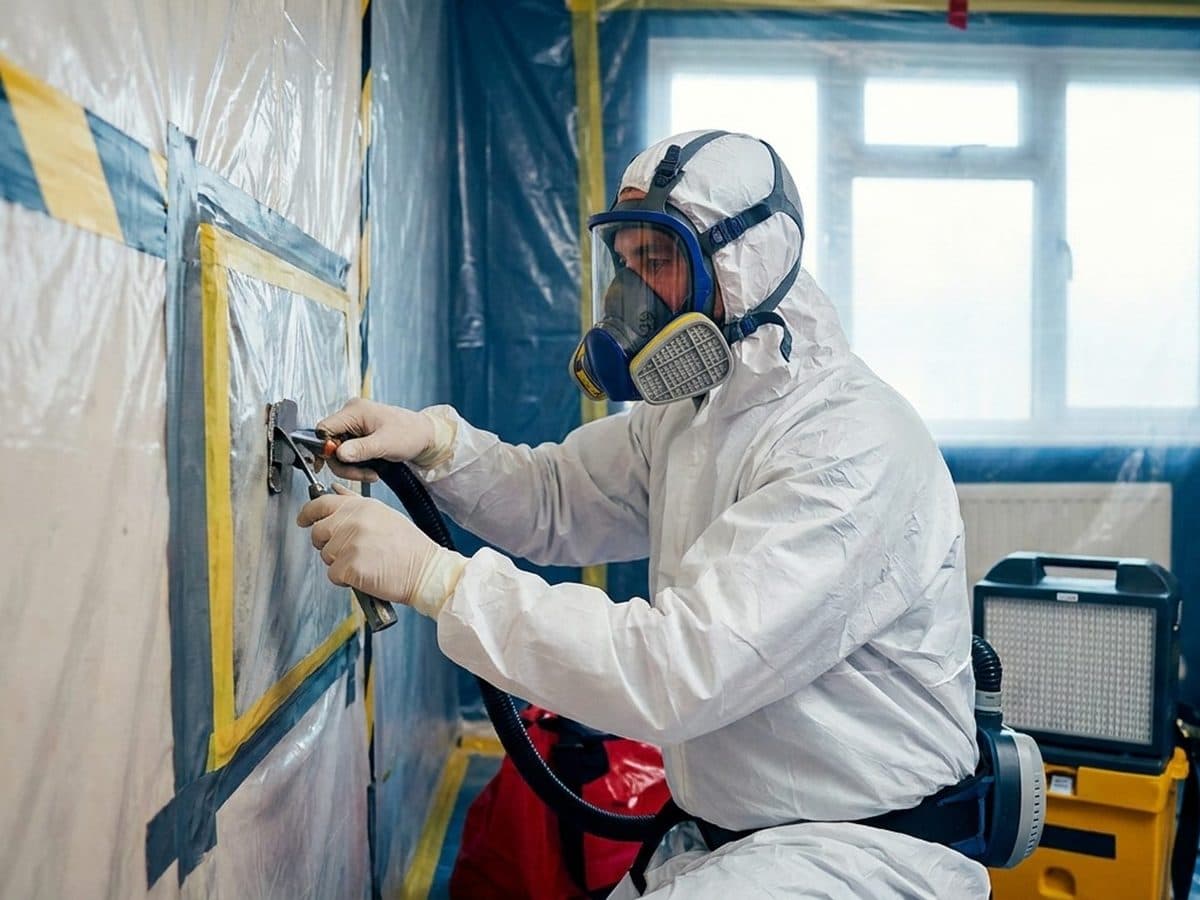
Lithuania Order A1-480 Introduces Asbestos Work Permits From October 2026
Lithuania Order A1-480 introduces asbestos work permits from 1 October 2026, with transitional submission arrangements ending on 31 December.

Netherlands Enacts Asbestos Work Permit Law But Commencement Awaits Royal Decree
Dutch primary legislation creates an asbestos permit framework, while commencement and detailed operating rules remain outstanding.
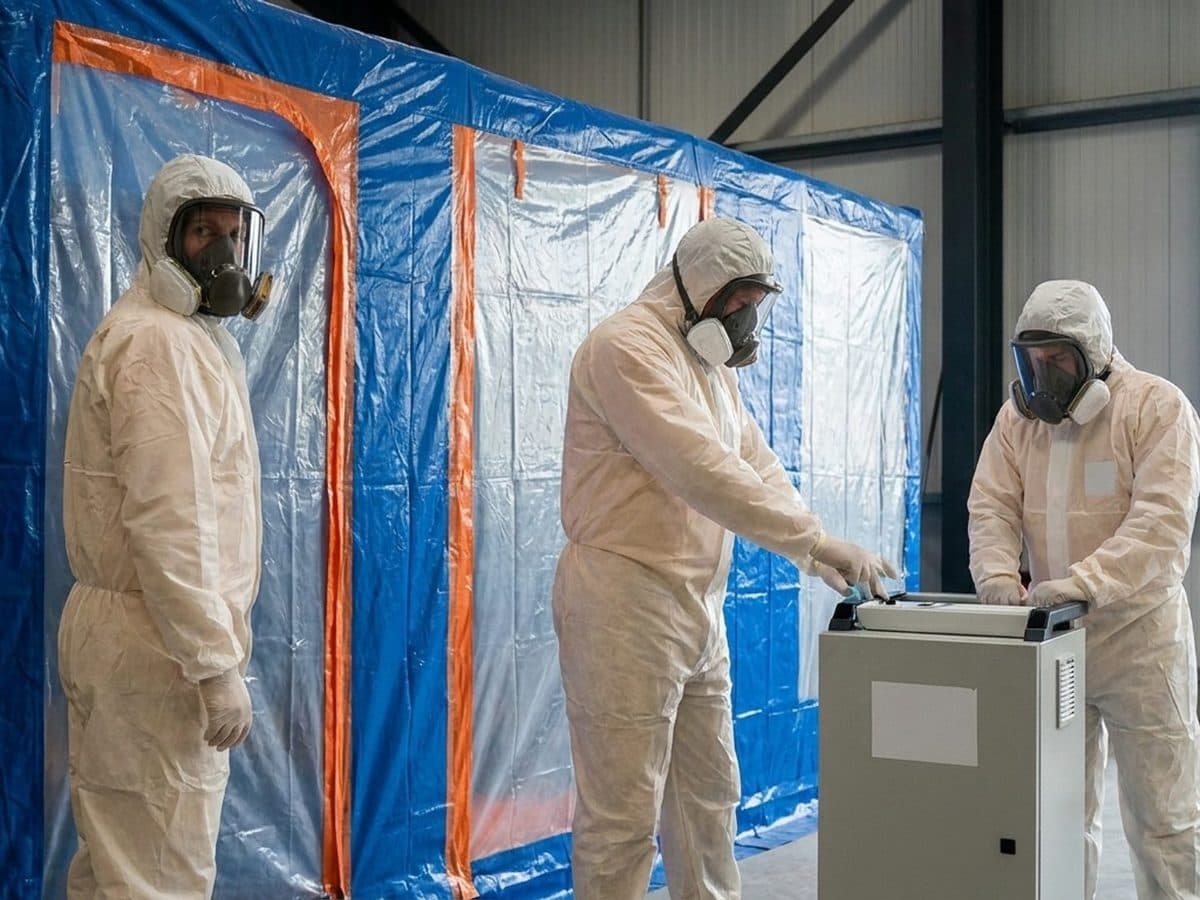
Netherlands Publishes Draft Asbestos Decree Detailing Permits, Training And Transition Rules
A Dutch draft asbestos decree sets out permits, training records and transition rules while retaining the existing exposure limit.


