 United States
EPA Proposes New Mitigation Measures For Atrazine Contamination
EPA will take public comment on the revised proposal.
Published in July 2024. Dates, deadlines and stages may have changed since.

Dr Steven Brennan
2 min readAI-drafted, expert reviewed
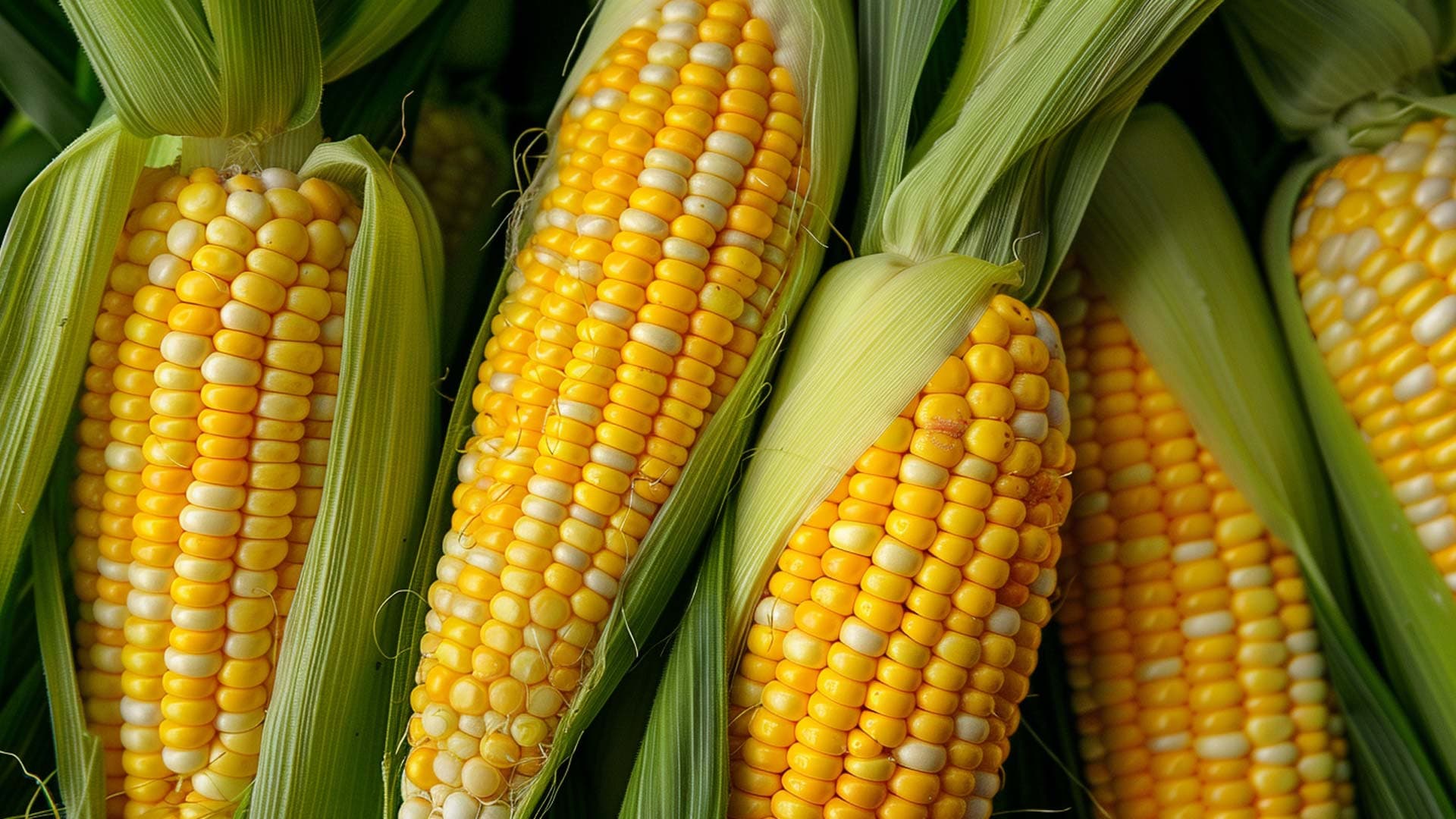
The Environmental Protection Agency (EPA) has proposed new mitigation measures to address elevated levels of atrazine, a widely used herbicide, in watersheds across the United States. This proposal aims to protect both the environment and public health from the adverse effects of high atrazine concentrations.
Background
Atrazine is a herbicide commonly used to control broadleaf and grassy weeds, primarily in corn and sorghum crops. Despite its effectiveness in agriculture, atrazine has been linked to various environmental and health concerns. High concentrations of atrazine in water bodies can affect aquatic ecosystems and potentially impact human health through contaminated drinking water.
Key Findings
According to the EPA, certain watersheds have been identified with estimated atrazine concentrations exceeding 9.7 µg/L, a level considered potentially harmful. The EPA's proposal includes targeted mitigation efforts in these areas to reduce atrazine levels and mitigate its impact.
Proposed Mitigation Strategies
The proposed mitigation measures include:
Watershed Management Plans: Implementing comprehensive plans to manage and reduce atrazine runoff in high-risk areas.Agricultural Practices: Encouraging farmers to adopt best management practices (BMPs) such as buffer strips, cover crops, and reduced atrazine application rates.Monitoring and Enforcement: Enhancing monitoring of atrazine levels in water bodies and enforcing regulations to ensure compliance with safety standards.
Affected Areas
The EPA has mapped out several states where atrazine concentrations have raised concerns. These states include but are not limited to Alabama, Arizona, Arkansas, California, Colorado, Connecticut, Delaware, Florida, Georgia, Idaho, Illinois, Indiana, Iowa, Kansas, Kentucky, Louisiana, Maine, Maryland, Massachusetts, Michigan, Minnesota, Mississippi, Missouri, Montana, Nebraska, Nevada, New Hampshire, New Jersey, New Mexico, New York, North Carolina, North Dakota, Ohio, Oklahoma, Oregon, Pennsylvania, Rhode Island, South Carolina, South Dakota, Tennessee, Texas, Utah, Vermont, Virginia, Washington, West Virginia, Wisconsin, and Wyoming.
Public And Environmental Health Implications
High levels of atrazine in water can disrupt aquatic ecosystems by harming fish and amphibian populations. For humans, prolonged exposure to atrazine-contaminated water may pose health risks, including hormonal disruptions and potential links to cancer.
The EPA's proposal for new mitigation measures is a significant step toward reducing the environmental and health risks associated with atrazine. By targeting watersheds with high atrazine concentrations and promoting sustainable agricultural practices, the EPA aims to safeguard both the environment and public health.
Official source
regulations.govTopics

Dr Steven Brennan
CEO and co-founder of Foresight, and a co-opted member of ECHA's Committee for Socio-economic Analysis. He holds a PhD in chemical engineering.
More from Dr Steven BrennanFind out what this means for your products
Foresight follows changes like this one and shows where they reach your substances, products and markets.
 European Union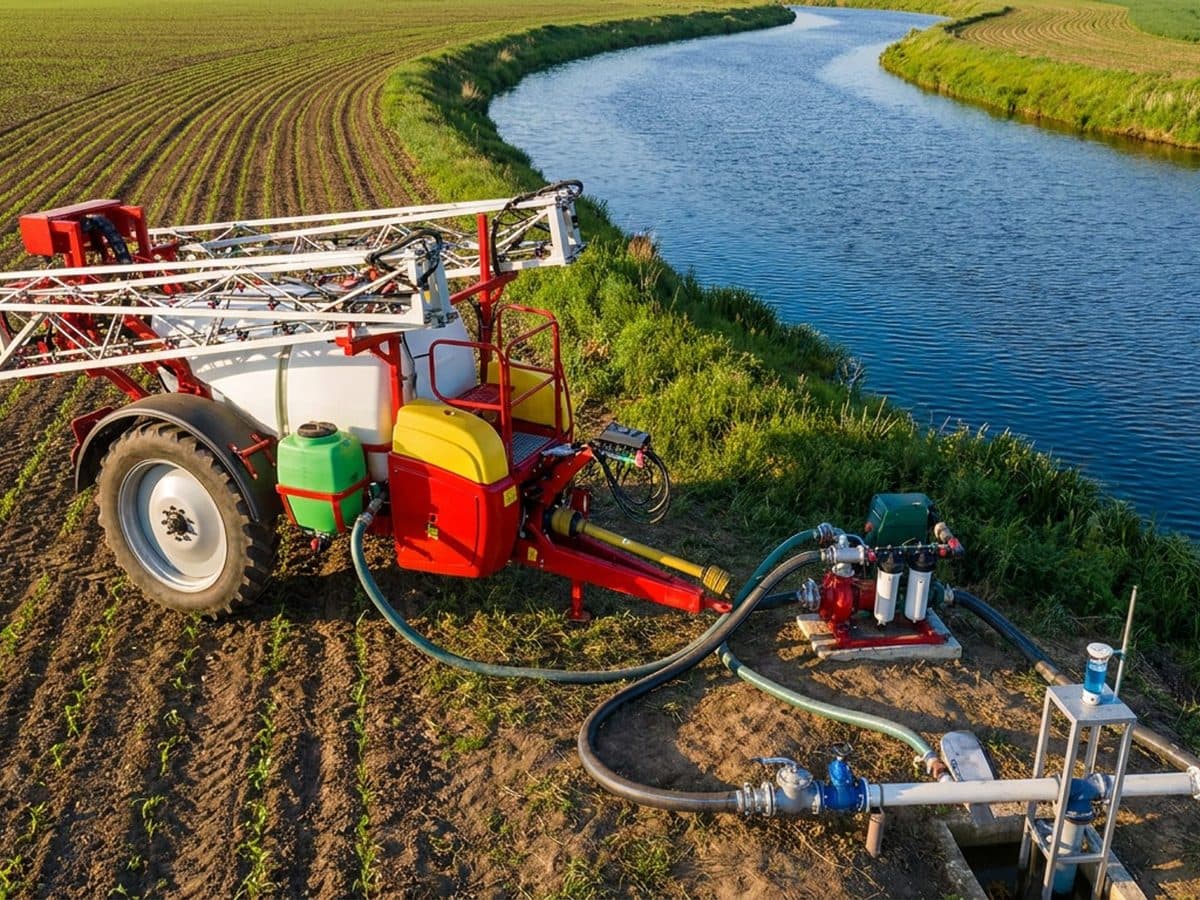
Join 3,500+ professionals staying ahead
Foresight Weekly brings the week's regulatory changes across chemicals, product safety, sustainability, ESG and EHS into one email.
Read by professionals at


