 United States
CPSC Reviews UL 4200A-2026 For Button Cell And Coin Battery Products
CPSC sought comments on UL 4200A-2026 by 17 September 2026. Publication of the revised standard did not itself replace the mandatory 2023-based requirements.

Dr Steven Brennan
2 min readAI-drafted, expert reviewed
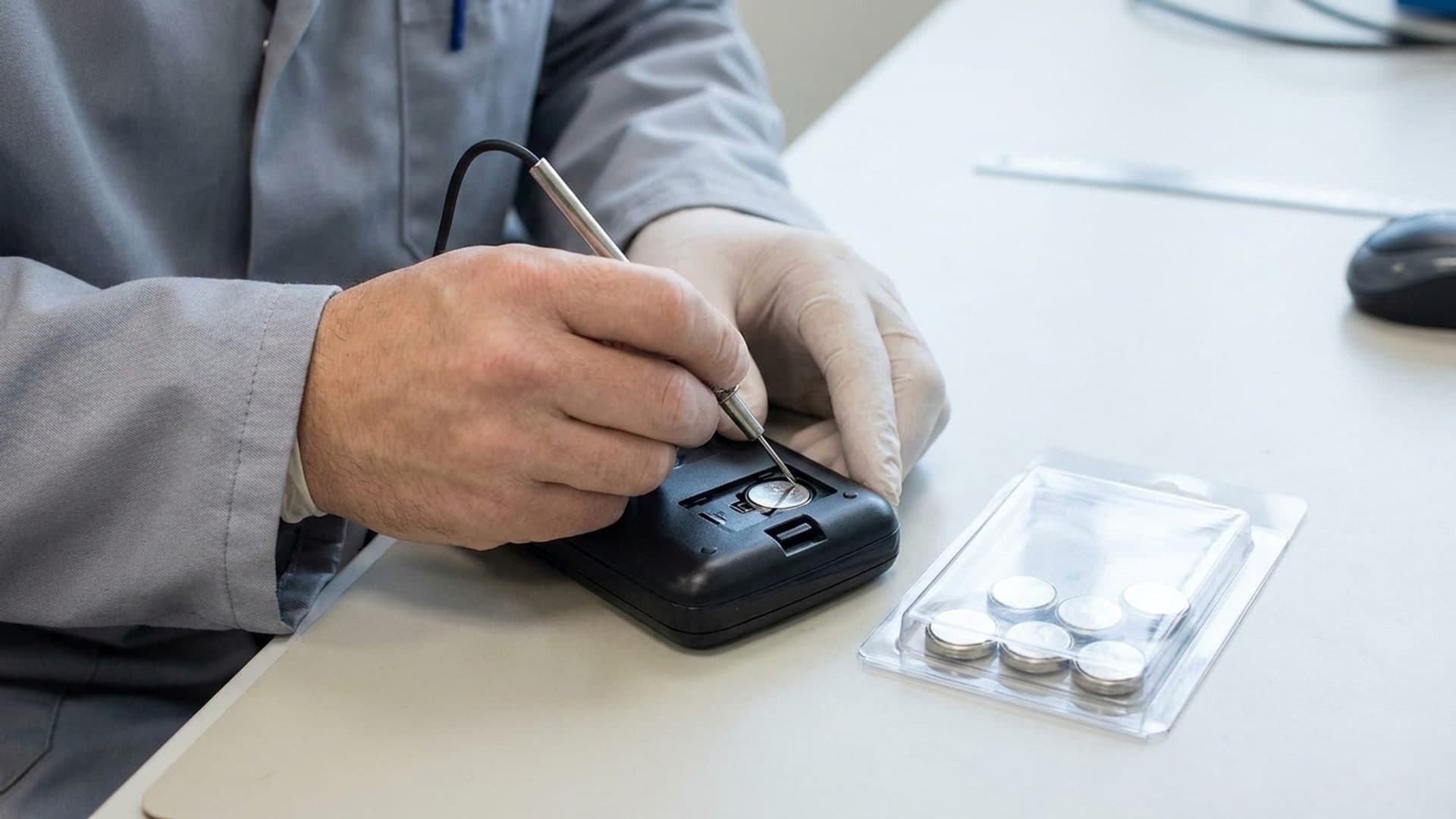
The US Consumer Product Safety Commission published a notice on 3 September 2026 seeking comments on UL 4200A-2026, the revised voluntary standard for products containing button cell or coin batteries. Comments were due by 17 September; that period has closed.
The notice did not immediately replace the mandatory standard incorporating UL 4200A-2023. It opened the statutory review process under Reese's Law.
How A Revision Becomes Mandatory
CPSC may reject all or part of a revision within 90 days of notification if it concludes that the change does not improve safety. A revision not rejected becomes mandatory 180 days after notification, unless CPSC specifies a later date.
The printed notice gives the notification date as “August XX, 2026”. It therefore does not establish the exact day from which to calculate that timetable. CPSC expressly attributes the short comment period to the statutory review timetable.
Existing Product Requirements
16 CFR Part 1263 incorporates the 2023 standard and adds requirements. Compartments containing replaceable button cell or coin batteries generally require a tool, or at least two simultaneous and independent movements, to open. Covered products also face use-and-abuse tests and warning requirements.
Part 1263 excludes zinc-air button cells. Toys for children under 14 are exempt from this part where they comply with the applicable battery-accessibility and labelling requirements under the toy-safety standard. These exclusions do not establish exemptions from every separate battery-packaging obligation.
Official source
US Consumer Product Safety Commission, Notice of Availability and Request for Comment on UL 4200A-2026, 91 FR 56604 (3 September 2026)federalregister.gov
Questions about this change
Did publication of UL 4200A-2026 immediately replace the US mandatory button-battery standard?
No. Publication of UL 4200A-2026 did not itself replace the mandatory US standard incorporating UL 4200A-2023. The revision is subject to CPSC's review under Reese's Law.
How can the revised UL 4200A button-battery standard become mandatory under Reese's Law?
Under Reese’s Law, a button-battery standard revision not rejected in whole or relevant part becomes mandatory 180 days after notification, or later if specified. CPSC has 90 days to reject it. The September notice left the exact notification day unspecified.

Dr Steven Brennan
CEO and co-founder of Foresight, and a co-opted member of ECHA's Committee for Socio-economic Analysis. He holds a PhD in chemical engineering.
More from Dr Steven BrennanFind out what this means for your products
Foresight follows changes like this one and shows where they reach your substances, products and markets.
 Belgium
 Italy
Italy
 California
Join 3,500+ professionals staying ahead
Foresight Weekly brings the week's regulatory changes across chemicals, product safety, sustainability, ESG and EHS into one email.
Read by professionals at


