
 European Economic Area
 Great Britain
 Northern IrelandGB Plant Protection Products RegulationGB Biocidal Products Regulation
The UK-EU SPS Agreement will align UK sanitary and phytosanitary rules with EU legislation, affecting food safety, pesticides, biocides and agricultural regulation.

3 min readAI-drafted, expert reviewed
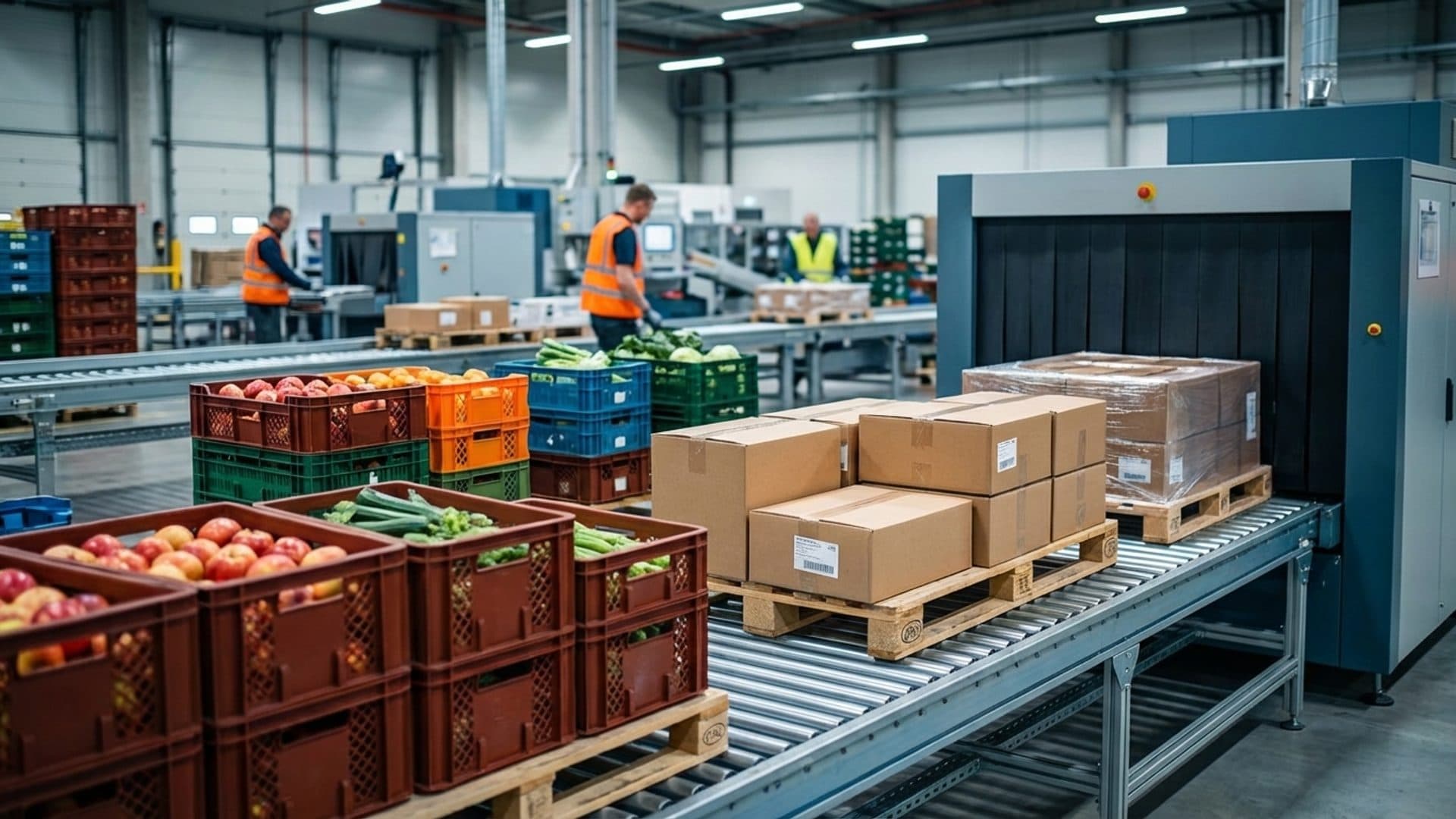
UK-EU SPS Agreement to Align Food, Pesticide and Biocide Rules Ahead of 2027 Trade Changes The UK-EU SPS Agreement will see the United Kingdom align with a broad range of European Union sanitary and phytosanitary (SPS) legislation, affecting food safety, pesticides, biocides, animal health and plant protection rules across the agri-food supply chain. Announced by the Department for Environment, Food & Rural Affairs (Defra) on 9 March 2026, the alignment aims to reduce border checks, simplify trade and lower compliance costs for businesses trading between the UK and the EU. The agreement, first proposed in May 2025 and expected to take effect in mid-2027, covers the trade, production and movement of plants, animals, food and feed products. It will also extend to related areas such as food labelling, nutrition claims, pesticide approvals and biocidal products regulation.
The UK-EU SPS Agreement is a proposed regulatory alignment between the United Kingdom and the European Union covering sanitary and phytosanitary rules. It includes food safety, pesticide approvals, biocides, animal health and plant protection measures, aiming to reduce border checks and streamline agri-food trade.
The UK government intends for the UK-EU SPS Agreement to enter into force around mid-2027. Businesses are encouraged to start preparing now by reviewing EU regulatory requirements, monitoring government guidance and assessing how alignment may affect production, labelling and supply chain compliance.

Dr Steven Brennan
CEO and co-founder of Foresight, and a co-opted member of ECHA's Committee for Socio-economic Analysis. He holds a PhD in chemical engineering.
More from Dr Steven BrennanForesight follows changes like this one and shows where they reach your substances, products and markets.
European Economic Area

European Economic Area

Foresight Weekly brings the week's regulatory changes across chemicals, product safety, sustainability, ESG and EHS into one email.
Read by professionals at


