 European Economic Area
 Northern Ireland
EU Industrial Accelerator Act Targets Decarbonisation And Strategic Manufacturing Capacity
EU Industrial Accelerator Act proposes faster permits, low-carbon procurement and supply chain safeguards to boost strategic manufacturing.

Dr Steven Brennan
4 min readAI-drafted, expert reviewed
EU Industrial Accelerator Act Targets Decarbonisation And Strategic Manufacturing Capacity
The European Commission has proposed a new Industrial Accelerator Act (IAA) aimed at strengthening EU manufacturing capacity, accelerating industrial decarbonisation, and reducing strategic dependencies across key sectors. The proposed regulation, released on 4 March 2026, focuses on energy-intensive industries, net-zero technologies, and the automotive supply chain, with the goal of increasing manufacturing’s share of EU GDP to 20% by 2035. The proposal introduces streamlined permitting procedures, “Made in EU” and low-carbon requirements in public procurement and support schemes, and conditions on large foreign direct investments. The measures are designed to reinforce supply chain resilience, stimulate demand for low-carbon industrial products, and strengthen Europe’s competitiveness amid growing geopolitical and market pressures.Industrial Decarbonisation And Energy-Intensive Sectors
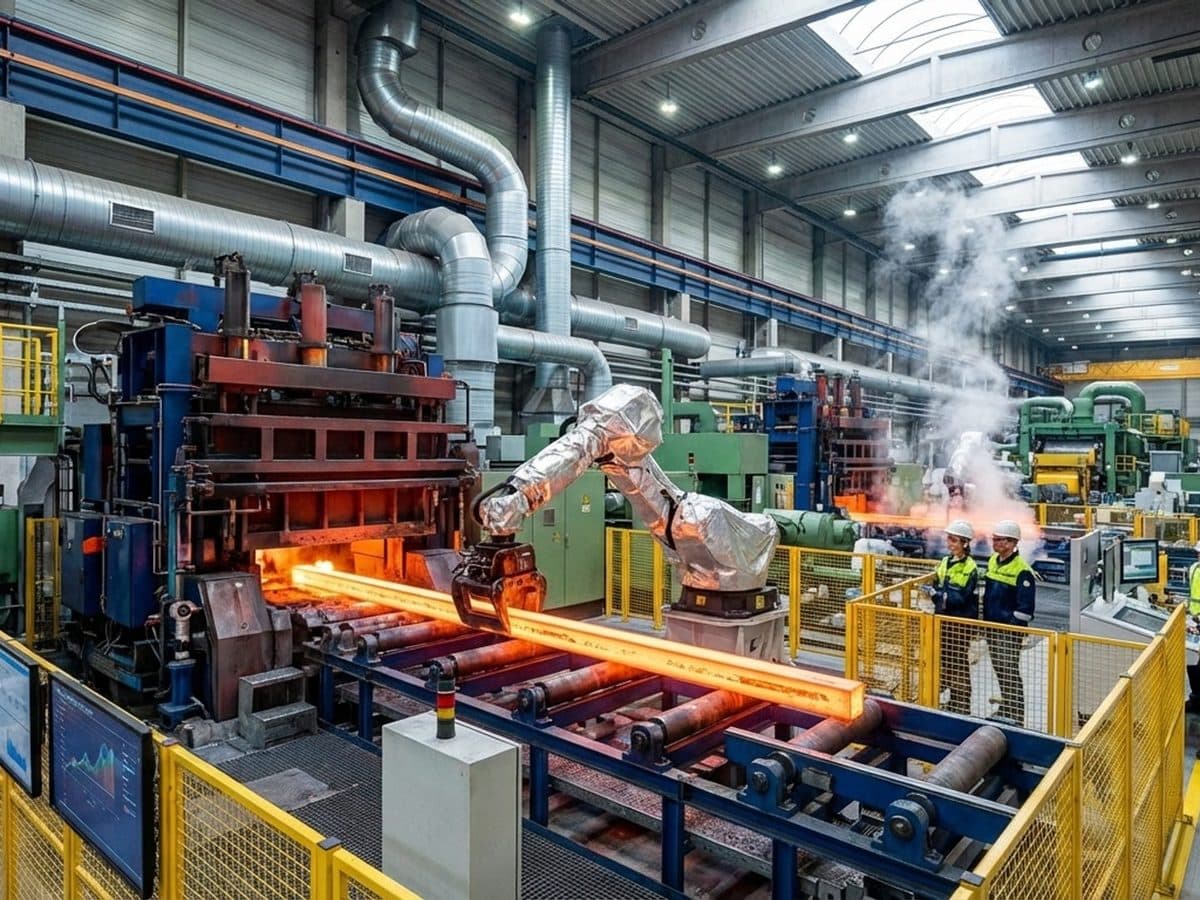
Energy-intensive industries such as chemicals, steel, cement and aluminium are central to the regulation. These sectors underpin multiple downstream value chains but also represent a major emissions source, accounting for roughly 22.3% of EU greenhouse gas emissions. The Commission notes that production volumes in energy-intensive industries have declined since 2021 while imports have increased, partly due to high energy costs and global overcapacity. Decarbonising these sectors will require substantial investment, with estimates suggesting around €500 billion may be needed by 2040 across chemicals, metals, minerals and pulp and paper industries. To accelerate investment, the Industrial Accelerator Act proposes faster permitting processes and the designation of industrial manufacturing acceleration areas where projects can be clustered and approvals streamlined. These areas would benefit from coordinated infrastructure planning, energy supply assessment and simplified environmental procedures.Lead Markets For Low-Carbon Materials
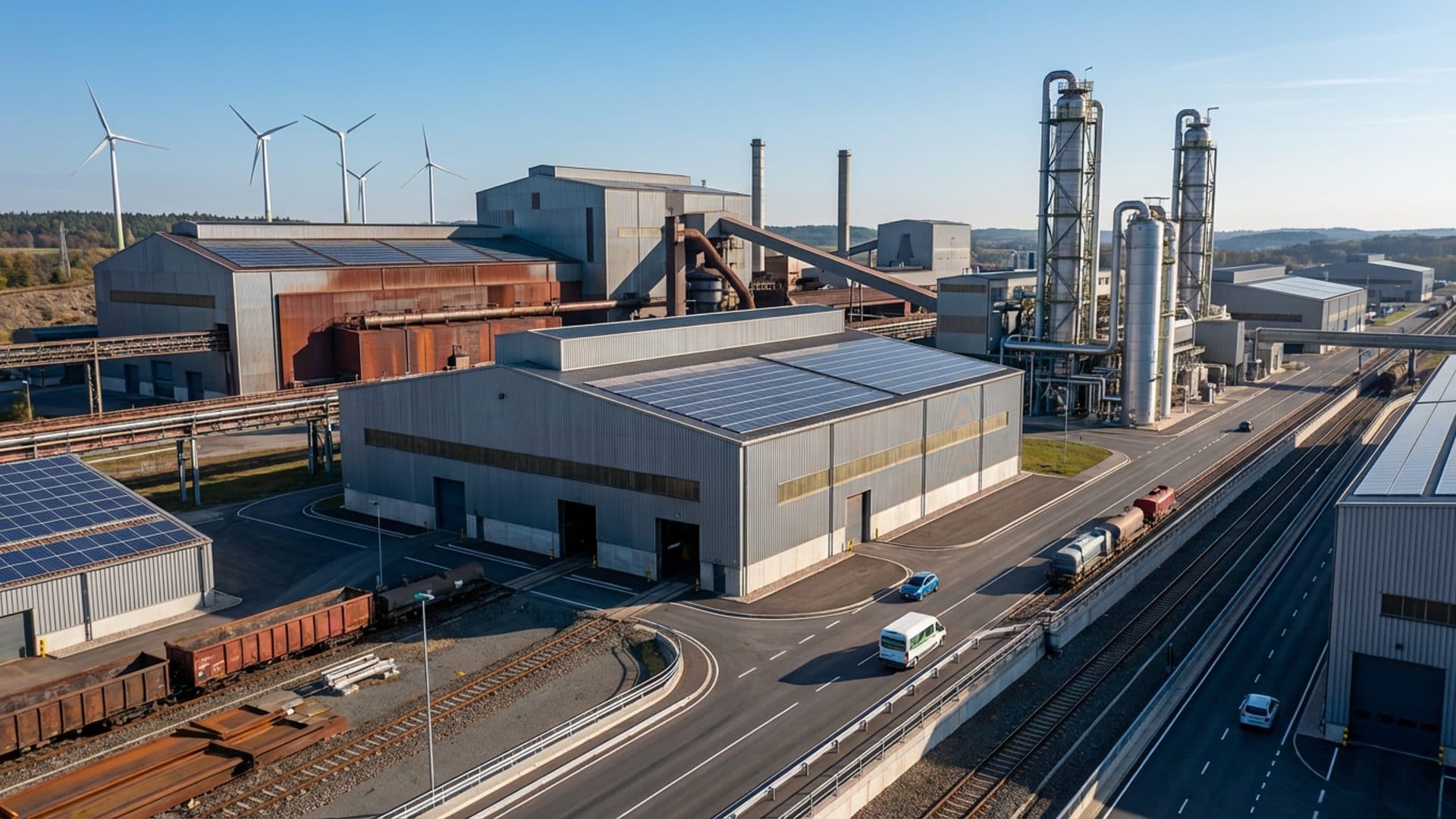
A key element of the proposal is the creation of lead markets for low-carbon industrial products. The regulation introduces minimum requirements for low-carbon steel, cement-based materials such as concrete and mortar, and aluminium used in sectors like construction and transport when public procurement or public funding is involved. To support transparency and market uptake, the Commission also plans classification systems and labelling frameworks based on greenhouse-gas intensity. These will rely on emissions data already reported under the [EU Emissions Trading System (EU ETS)](/topics/eu-emissions-trading-system-eu-ets) and the [Carbon Border Adjustment Mechanism (CBAM)](/topics/cbam).Supply Chain Resilience And “Made In EU” Requirements
The regulation also aims to strengthen domestic supply chains for net-zero technologies, including [batteries](/topics/batteries), solar PV, heat pumps, hydrogen electrolysers and wind equipment. Public procurement and support schemes would prioritise products and components manufactured within the EU. The Commission highlights that production of key technologies remains highly concentrated outside Europe. For example, China accounts for more than 80% of global battery and solar manufacturing capacity, exposing the EU to potential supply disruptions.Foreign Investment Conditions
To safeguard emerging strategic sectors, the Act proposes conditions on certain foreign direct investments. Investments exceeding €100 million in strategic manufacturing sectors could face requirements such as joint ventures with EU partners, technology transfer commitments, and minimum employment of EU workers. These provisions are designed to ensure foreign capital contributes to European industrial development rather than reinforcing external dependencies.Implications For The Chemicals Ecosystem
For the chemicals sector, the Act signals growing regulatory attention to low-carbon production pathways and supply chain security. While the current proposal focuses primarily on materials such as steel, cement and aluminium, it also provides a framework for future demand-side measures targeting chemical products, potentially influencing procurement standards and market incentives. Companies across the chemicals value chain may therefore face new opportunities and compliance requirements related to carbon intensity verification, public procurement participation and investment strategies. Professionals should monitor the legislative negotiations closely, as implementation details and sector coverage could evolve during the Parliament and Council review process.FAQs
What is the EU Industrial Accelerator Act? The Industrial Accelerator Act is a proposed EU regulation designed to boost manufacturing capacity, accelerate industrial decarbonisation and strengthen strategic supply chains. It introduces faster permitting, low-carbon procurement rules and conditions on large foreign investments in strategic sectors. How could the Industrial Accelerator Act affect chemical companies? Chemical companies may be affected through indirect demand-side policies, new decarbonisation expectations and future procurement requirements. The regulation also opens the possibility for low-carbon product labelling and future measures targeting chemical products within EU industrial value chains.Official source
European Commission, Proposal establishing measures for industrial capacity and decarbonisation in strategic sectors (4 March 2026)single-market-economy.ec.europa.eu
Questions about this change
What is the EU Industrial Accelerator Act?
The Industrial Accelerator Act is a proposed EU regulation designed to boost manufacturing capacity, accelerate industrial decarbonisation and strengthen strategic supply chains. It introduces faster permitting, low-carbon procurement rules and conditions on large foreign investments in strategic sectors.
How could the Industrial Accelerator Act affect chemical companies?
Chemical companies may be affected through indirect demand-side policies, new decarbonisation expectations and future procurement requirements. The regulation also opens the possibility for low-carbon product labelling and future measures targeting chemical products within EU industrial value chains.

Dr Steven Brennan
CEO and co-founder of Foresight, and a co-opted member of ECHA's Committee for Socio-economic Analysis. He holds a PhD in chemical engineering.
More from Dr Steven BrennanFind out what this means for your products
Foresight follows changes like this one and shows where they reach your substances, products and markets.
Join 3,500+ professionals staying ahead
Foresight Weekly brings the week's regulatory changes across chemicals, product safety, sustainability, ESG and EHS into one email.
Read by professionals at


