 European Economic Area
EU Chemicals Legislation Simplification: MEPs Push To Cut Administrative Burden While Maintaining Safety
MEPs have advanced plans to simplify EU chemicals legislation under the Omnibus VI package, targeting reduced administrative burden and improved competitiveness.

Dr Steven Brennan
3 min readAI-drafted, expert reviewed
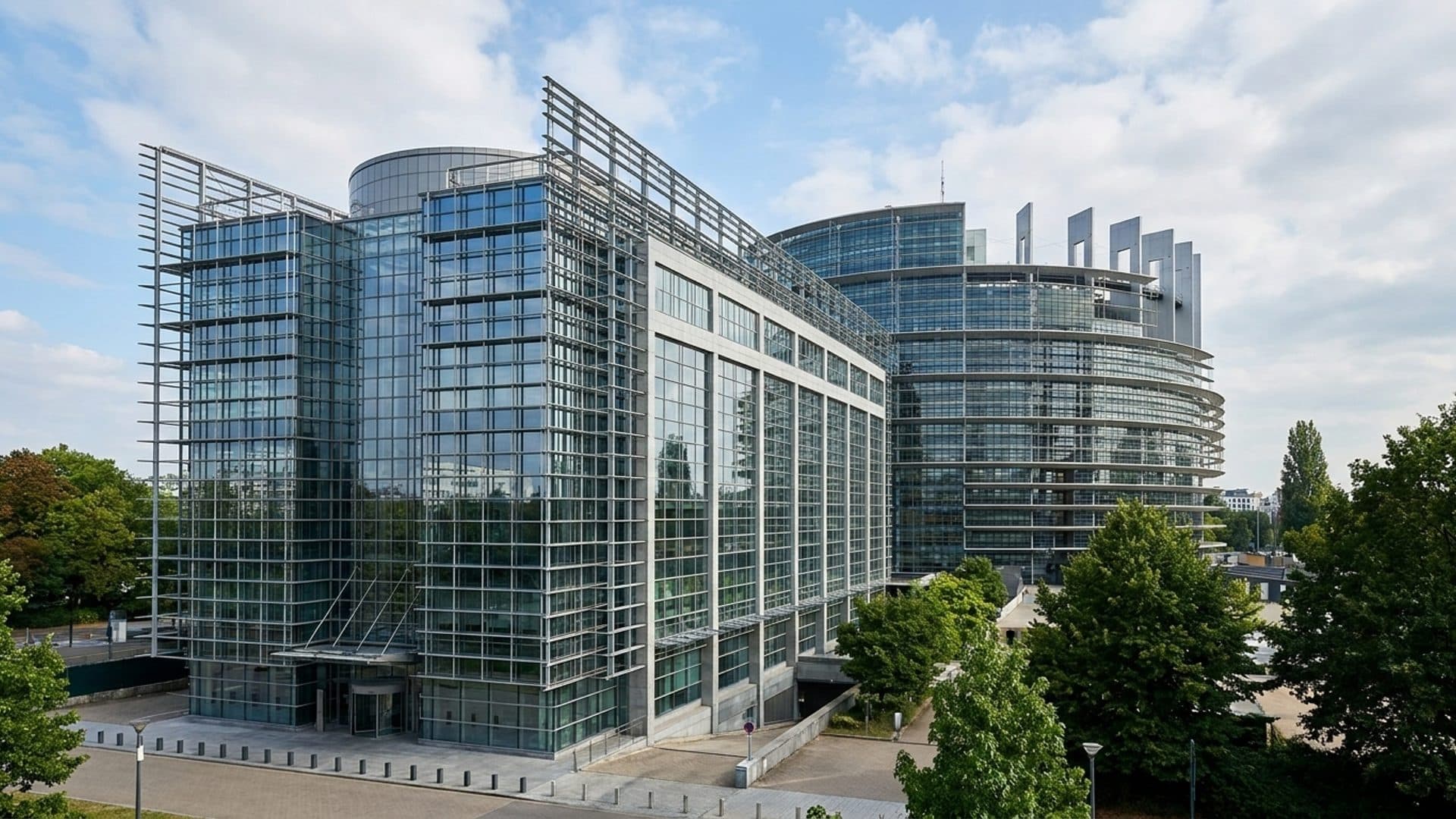
The European Parliament has backed proposals to simplify EU chemicals legislation under the “Chemicals Omnibus VI” package, aiming to reduce administrative burden while preserving high safety standards. The measures, approved on 15 April 2026 by key committees, will impact classification, labelling and packaging (CLP), cosmetics, and fertilisers across the chemicals value chain. The initiative targets cost savings, regulatory clarity, and improved competitiveness, with the European Commission estimating at least €363 million in annual savings for industry.
Chemicals Legislation Simplification: CLP And Labelling Reforms
MEPs broadly support simplifying classification, labelling and packaging rules but are resisting proposals that could weaken consumer safety. Labels must remain legible, and suppliers should continue providing contact details, including telephone numbers, to ensure traceability and emergency response. The reforms introduce a stronger “digital-by-default” approach, allowing digital contact points alongside physical labelling. However, hazard communication remains central, with MEPs calling for mandatory hazard pictograms in advertisements for hazardous substances. Importantly, most updated CLP provisions are now scheduled to apply from 1 January 2028, giving companies additional transition time.Implications For Supply Chains And Compliance
For manufacturers, importers, and downstream users, the proposed changes could reduce labelling complexity and administrative workload. However, businesses must prepare for hybrid labelling models combining physical and digital information, as well as stricter advertising rules. Distributors and retailers, especially in e-commerce, will need to ensure hazard information is clearly communicated in online listings, reflecting expanded distance-selling requirements.Cosmetics Regulation: Tighter Controls On Hazardous Substances
The proposal introduces stricter timelines for removing cosmetics containing carcinogenic, mutagenic, or reprotoxic (CMR) substances. MEPs want faster phase-outs than those proposed by the Commission and reject exemptions based solely on exposure routes such as inhalation or oral intake. New rules would also require earlier notification of [nanomaterials](/topics/nanomaterials) and clearer labelling for online sales, ensuring ingredient transparency and [consumer protection](/topics/consumer-protection). These changes will require reformulation strategies, updated safety assessments, and closer monitoring of ingredient classifications across the cosmetics sector.Fertiliser Regulation: Digitalisation And Innovation Focus
For fertilisers, the reform prioritises simplification for EU producers and farmers while supporting innovation. Measures include digital documentation, streamlined conformity assessments, and updated rules to accommodate new materials such as microbial biostimulants. The shift aims to reduce barriers to market entry and align regulatory requirements with scientific progress, without compromising environmental or human health protections.Strategic Impact On Competitiveness
The EU chemicals industry, comprising around 29,000 companies and supporting 19 million jobs, stands to benefit from reduced compliance costs and improved regulatory coherence. However, stakeholders must balance simplification with ongoing obligations under REACH, CLP, and sector-specific regulations, particularly as digital tools and data requirements expand.What Happens Next?
The European Parliament is expected to finalise its negotiating mandate during the April 2026 plenary session, after which discussions with Member States will begin.Questions about this change
What is EU chemicals legislation simplification under Omnibus VI?
It refers to proposed updates to EU rules on chemicals, cosmetics, and fertilisers aimed at reducing administrative burden while maintaining safety. The package introduces digital labelling, streamlined compliance processes, and updated requirements for hazardous substances, affecting manufacturers, importers, and downstream users.
How will chemicals legislation simplification affect businesses?
Businesses may benefit from reduced compliance costs and clearer rules, but must adapt to digital labelling, stricter advertising requirements, and tighter controls on hazardous substances. Companies should review supply chains, update product information systems, and prepare for new timelines and reporting obligations.

Dr Steven Brennan
CEO and co-founder of Foresight, and a co-opted member of ECHA's Committee for Socio-economic Analysis. He holds a PhD in chemical engineering.
More from Dr Steven BrennanFind out what this means for your products
Foresight follows changes like this one and shows where they reach your substances, products and markets.


 Great Britain
Join 3,500+ professionals staying ahead
Foresight Weekly brings the week's regulatory changes across chemicals, product safety, sustainability, ESG and EHS into one email.
Read by professionals at


