 Sweden
Sweden To Develop PFAS National Action Plan To Tackle ‘Forever Chemicals’
Sweden is advancing a PFAS national action plan to curb widespread contamination and protect public health. Backed by funding and stakeholder input, the strategy will shape future regulation, requiring industries to adapt to stricter controls, enhanced monitoring and a transition towards safer chemical alternatives.

Dr Steven Brennan
3 min readAI-drafted, expert reviewed
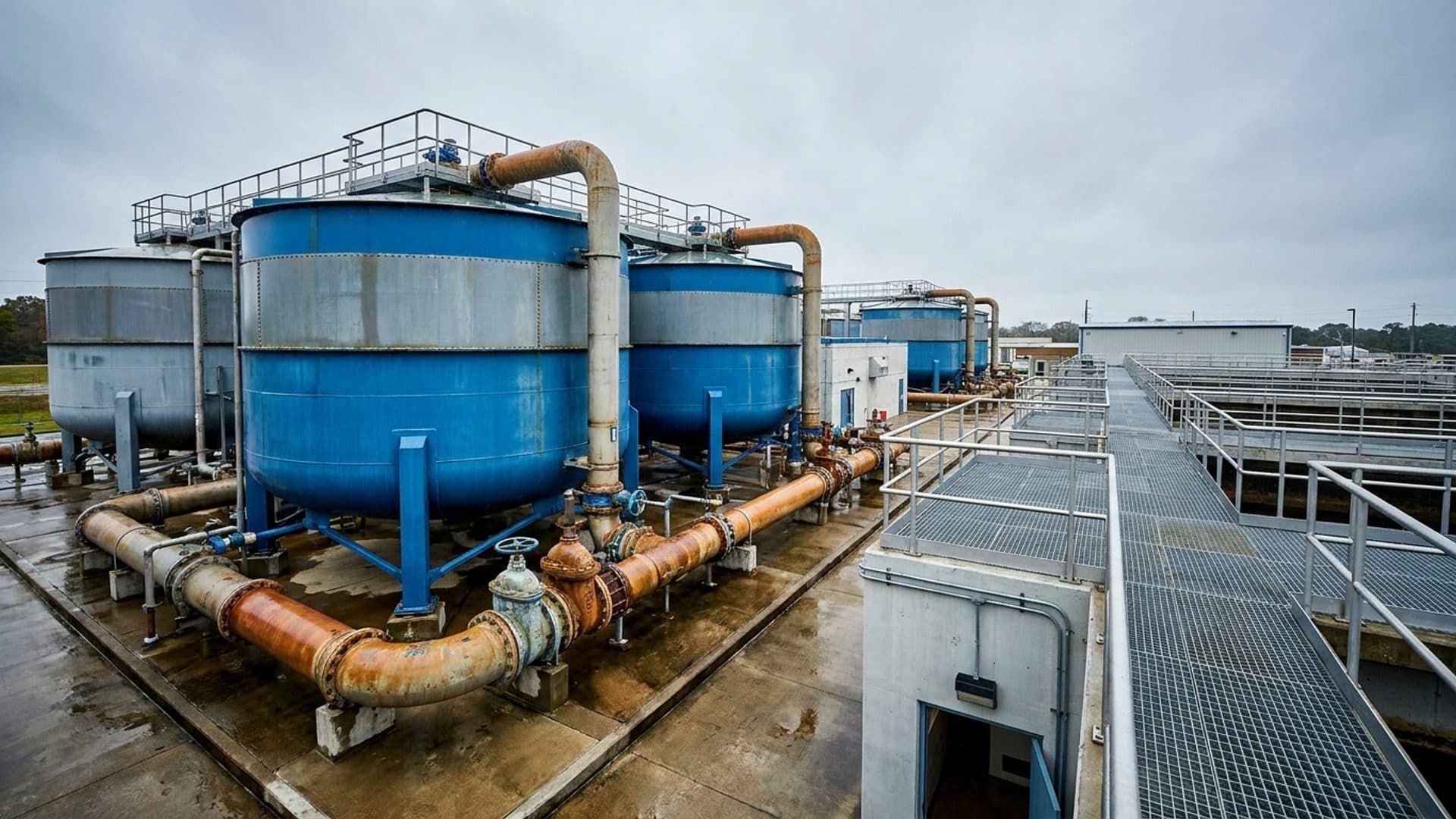
Sweden’s government has announced plans to draft a PFAS national action plan aimed at reducing the spread of per- and polyfluoroalkyl substances across waterways and ecosystems. Published on 17 April 2026 by the Ministry of Climate and Enterprise, the initiative responds to growing evidence of widespread PFAS contamination affecting human health, drinking water and food systems. The plan will be developed in the coming months with input from industry, government agencies and sectoral organisations.
Rising Urgency Around PFAS Contamination
PFAS, often referred to as ‘forever chemicals’, are widely used for their water- and grease-resistant properties in products such as firefighting foams, [cosmetics](/topics/cosmetics) and pharmaceuticals. However, their persistence in the environment has led to global concern. Studies have linked PFAS exposure to cancer and reproductive disorders, prompting regulators to treat the entire chemical group as potentially harmful. Sweden’s government highlighted that PFAS are now present in air, water and even the human body. Their accumulation poses particular risks to drinking water supplies and food chains, making containment and remediation a national priority.Stakeholder Input And Cross-Sector Challenges
State Secretary Daniel Westlén convened discussions with organisations spanning waste management, agriculture, aviation, forestry and technology. Stakeholders emphasised the scale and urgency of PFAS contamination, while also pointing to practical challenges such as financing decontamination, developing viable alternatives and coordinating national measures with EU regulations. There was broad agreement on the need for stronger national coordination and increased investment in research and development. Participants also noted recent scientific progress in understanding PFAS pathways and destruction methods, which could inform future mitigation strategies.Government Agencies Align On Long-Term Strategy
Around 15 government agencies, including those responsible for environmental protection, [food safety](/topics/food-safety) and defence, contributed to the consultation process. They stressed that reducing PFAS pollution requires both limiting new emissions and managing existing contamination. Key issues include assigning financial responsibility for remediation, improving groundwater monitoring and providing clearer regulatory guidance for PFAS substitution. Sweden is also looking to align with other European countries such as Denmark and France, which have already implemented national PFAS strategies.Funding And Implementation Timeline
The government has committed significant funding to support the PFAS national action plan. In the 2026 budget, SEK 85 million has been allocated for decontamination and restoration efforts. This funding is set to increase to SEK 110 million in 2027 and SEK 135 million in 2028, signalling a long-term commitment to tackling PFAS pollution.Implications For Industry And Compliance
The forthcoming PFAS national action plan will have implications across the manufacturing value chain, including chemicals, water treatment, waste management and consumer goods sectors. Companies may face stricter controls on PFAS use, increased reporting obligations and pressure to adopt safer alternatives. Professionals should monitor regulatory developments closely and assess supply chain exposure to PFAS-related risks.Official source
Government Offices of Sweden, Ministry of Climate and Enterprise article, 17 April 2026government.se
Topics
Questions about this change
What is the Sweden PFAS national action plan?
The Sweden PFAS national action plan is a government-led strategy to reduce the spread of harmful ‘forever chemicals’ in the environment. It will include measures on monitoring, decontamination, regulation and public awareness, with input from industry and agencies.
How will the PFAS national action plan affect businesses?
Businesses may face tighter restrictions on PFAS use, increased compliance requirements and pressure to adopt safer substitutes. Sectors such as manufacturing, water treatment and waste management should prepare for regulatory changes and assess their exposure to PFAS risks.

Dr Steven Brennan
CEO and co-founder of Foresight, and a co-opted member of ECHA's Committee for Socio-economic Analysis. He holds a PhD in chemical engineering.
More from Dr Steven BrennanFind out what this means for your products
Foresight follows changes like this one and shows where they reach your substances, products and markets.
- PFAS portfolio reviewWhere PFAS sit in your products, under each definition that applies.
- Substitution screeningAlternatives to a substance of concern, checked for their own hazards and restrictions.
- Regulatory horizon scanningAlerts scored for your organisation, most important first.
 United States
 Netherlands
Join 3,500+ professionals staying ahead
Foresight Weekly brings the week's regulatory changes across chemicals, product safety, sustainability, ESG and EHS into one email.
Read by professionals at


