
 European Economic Area
At CARACAL-54, the European Commission presented its final proposals for the 2025 REACH revision. While the reforms aim to simplify and modernise chemical regulation, stakeholders like Cefic warn of higher burdens and a political disconnect. Final consultation ends 25 April, with adoption due later this year.
Published in April 2025. Dates, deadlines and stages may have changed since.

3 min readAI-drafted, expert reviewed
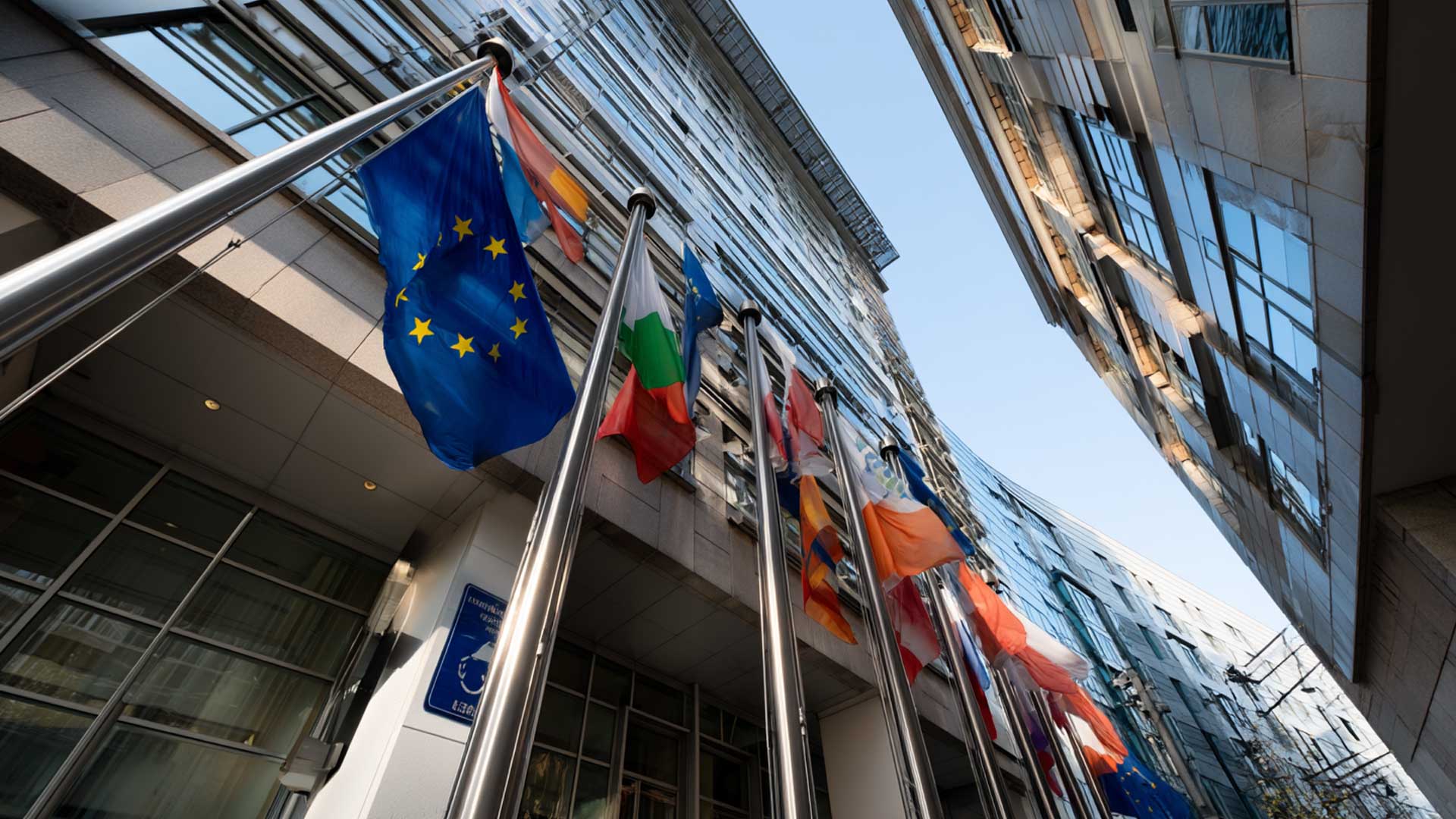
At CARACAL-54 on 3 April 2025, the European Commission presented its final vision for overhauling the REACH Regulation. While regulators described the changes as simplifications to modernise and strengthen enforcement, the chemical industry has responded with alarm, calling the proposals burdensome and out of step with Europe's economic and industrial realities.
The European Commission’s industry and environment departments outlined their proposed REACH changes to national experts at CARACAL, the advisory body for REACH and CLP. According to the Commission, the aim is to “simplify the regulation for companies and authorities, modernise it, and strengthen enforcement.”
Proposed changes presented at CARACAL-54 include:
A 10-year validity period for chemical registrations, with ECHA authorised to revoke numbers if dossiers are not updated or found non-compliant.Mandatory dossier updates following SVHC designation or harmonised classification.Digitalisation of supply chain communication, including the shift to digital safety data sheets and alignment with the Digital Product Passport (DPP) for products.Empowering the EU to define criteria for national enforcement systems and conduct systematic and ad-hoc audits across Member States.Proposed deletion of REACH Annexes III and XIII, and updates to Annexes I, VI–X, and XI.Introduction of a Mixture Assessment Factor (MAF) to account for combined chemical exposure.Clarification of regulatory tools under the generic restriction approach (GRA).
Open consultations on the proposals are running until 25 April 2025, with a final legislative package expected by the end of the year.
The European Chemical Industry Council (Cefic) released a sharply critical statement following CARACAL-54. In a LinkedIn post, Cefic said:
“From what we have heard at CARACAL, it seems that the Commission services are living in a different world than their own political leadership and President.”
Cefic warned that:
“The REACH proposals made will massively increase the administrative burden for industry and #SMEs in particular. Calling the proposals ‘simplification’ is absurd. Most of what was presented is identical to proposals made three years ago.”
Their statement further criticised the disconnect between Commission services and broader EU political guidance:
“It’s as if there is no #CompetitivenessCompass, no #CleanIndustrialDeal, no economic crisis whatsoever. As if the High-Level Dialogue with Commissioner Jessika Roswall and EVP Stéphane Séjourné didn’t even take place.”
With proposals nearing finalisation, the Commission’s open consultation on REACH closes on 25 April 2025. The final legislative text is expected by Q4 2025 as part of the broader Chemicals Industry Package.
Stakeholders—particularly manufacturers, importers, and downstream users—are encouraged to review their registration portfolios, assess supply chain readiness for digitalisation, and provide input on the MAF and enforcement models.
Official source
circabc.europa.euTopics
The Commission presented key REACH reform proposals, including 10-year registration validity, expanded ECHA powers, and enhanced digitalisation. Enforcement and risk assessment tools are also being updated.
Cefic argues the Commission’s changes increase bureaucracy and ignore industry concerns. They question the claim of simplification and highlight the need for alignment with EU industrial policy.

Dr Steven Brennan
CEO and co-founder of Foresight, and a co-opted member of ECHA's Committee for Socio-economic Analysis. He holds a PhD in chemical engineering.
More from Dr Steven BrennanForesight follows changes like this one and shows where they reach your substances, products and markets.
European Economic Area


European Economic Area
Foresight Weekly brings the week's regulatory changes across chemicals, product safety, sustainability, ESG and EHS into one email.
Read by professionals at


 Great Britain