
 European Economic Area
The EU plans to introduce a chemicals industry package in Q4 2025, focusing on regulatory simplification, digitalisation, and investment support. While businesses may see reduced compliance costs, those handling hazardous chemicals should prepare for enhanced oversight and classification requirements.
Published in February 2025. Dates, deadlines and stages may have changed since.

3 min readAI-drafted, expert reviewed
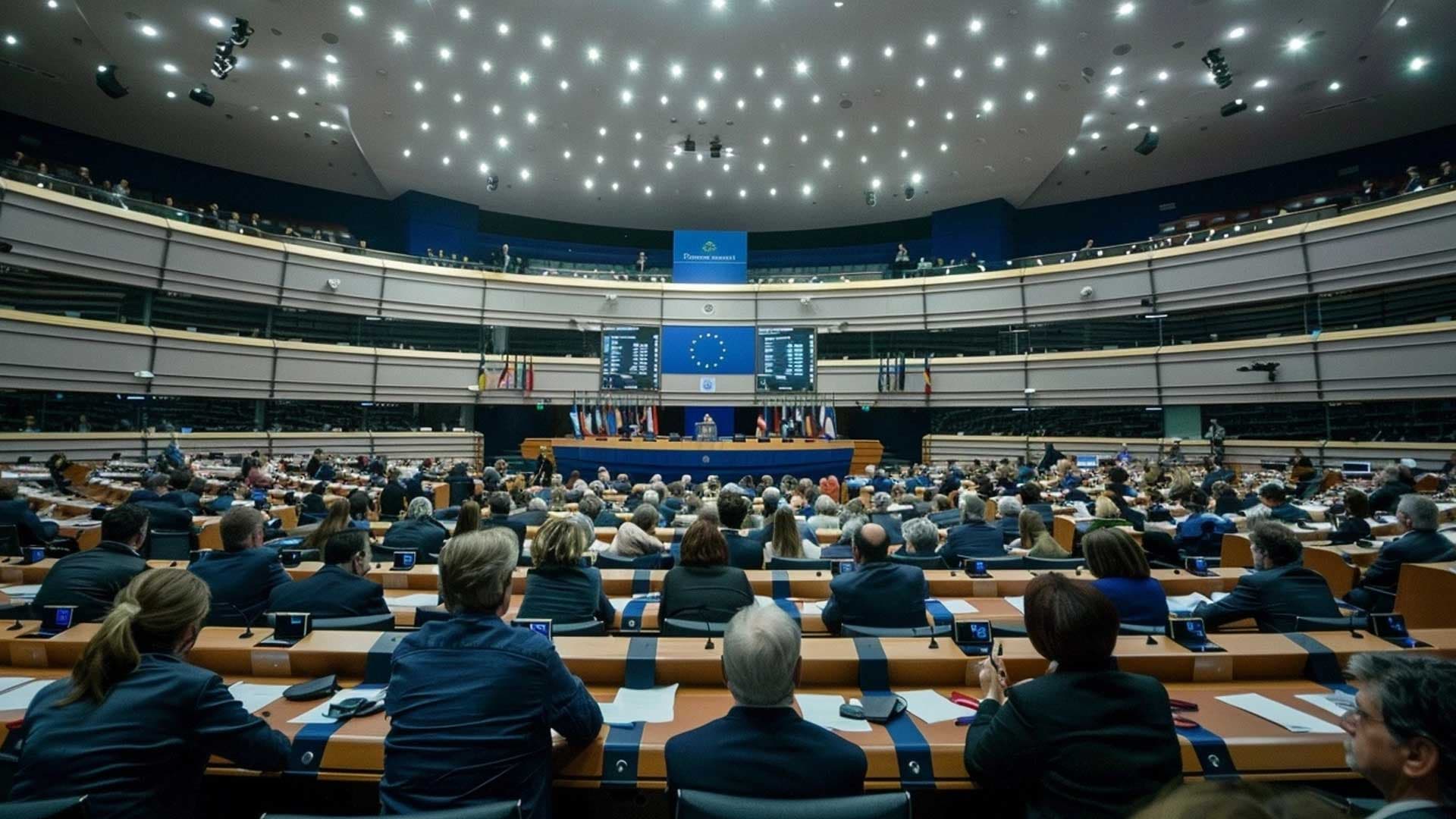
The European Commission’s 2025 Work Programme includes plans to introduce a chemicals industry package in Q4 2025, aiming to streamline compliance, reduce regulatory burdens, and enhance data management. The upcoming proposal is expected to impact manufacturers, suppliers, and businesses handling hazardous substances. A targeted revision of REACH will also be included to improve regulatory efficiency while maintaining high safety and environmental standards.
While full details are yet to be released, the Commission’s plans focus on:
Simplification of Administrative Processes: Reducing regulatory burdens by at least 25% overall and 35% for SMEs.Digital Compliance Systems: Moving towards paperless reporting and centralised data management.**Stronger Oversight of Hazardous Substances: Providing clearer guidelines on PFAS and other high-risk chemicals.****Enhanced Investment Support:** Easing compliance requirements for businesses applying for InvestEU and other funding mechanisms.
If implemented as planned, businesses can expect reduced administrative complexity, particularly in chemical registration, reporting, and authorisation. This is expected to ease costs for manufacturers and service providers in the supply chain.
Despite the focus on simplification, companies handling PFAS and other high-risk substances will likely face stricter classification and authorisation processes, ensuring compliance with the Chemicals Strategy for Sustainability.
A new EU-wide data platform is expected to improve regulatory monitoring and supply chain transparency, making compliance more efficient and ensuring better industry oversight.
Industry leaders have responded positively to the proposed regulatory simplifications, while environmental groups stress the importance of maintaining strong safety measures.
Maroš Šefčovič, Commissioner for Trade and Economic Security, emphasised:
"We have listened to and heard our businesses’ call for rules that are simpler to manage."
The proposal is expected to undergo stakeholder consultations before being formally introduced in Q4 2025.
Official source
ec.europa.euTopics
The full details are expected in Q4 2025, but the proposal will focus on simplifying compliance, reducing administrative burdens, and improving digital reporting. It will also address hazardous substance classification.
The planned regulatory simplifications aim to reduce administrative burdens by 35% for SMEs, making compliance less costly and time-consuming. The shift to digital reporting and streamlined REACH authorisation processes will help smaller businesses focus on innovation and competitiveness while ensuring regulatory compliance.

Dr Steven Brennan
CEO and co-founder of Foresight, and a co-opted member of ECHA's Committee for Socio-economic Analysis. He holds a PhD in chemical engineering.
More from Dr Steven BrennanForesight follows changes like this one and shows where they reach your substances, products and markets.
European Economic Area


European Economic Area
Foresight Weekly brings the week's regulatory changes across chemicals, product safety, sustainability, ESG and EHS into one email.
Read by professionals at


 Great Britain