
Key takeaway
What This Development Means
The proposed REACH Annex XVII update expands CMR restrictions, introduces new substances and clarifies derogations for specific uses. By aligning with CLP classifications and tightening mixture rules, the regulation increases compliance complexity and underscores the need for proactive chemical risk management across EU supply chains.
What are CMR substances under REACH Annex XVII?
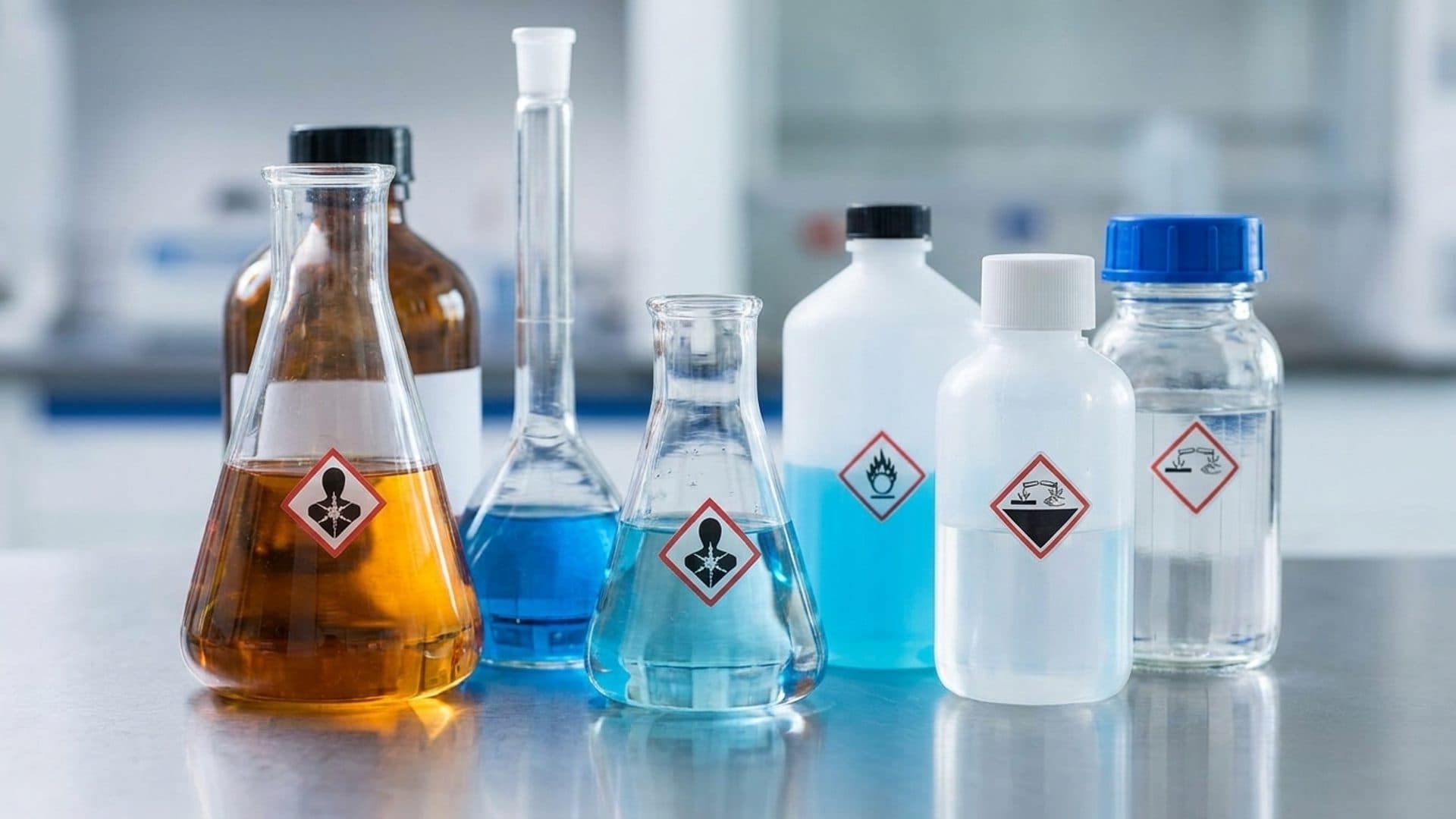
CMR substances are chemicals classified as carcinogenic, mutagenic or toxic for reproduction. Under REACH Annex XVII, their use and supply to the general public are restricted when they meet Category 1A or 1B hazard classifications and exceed defined concentration limits.
How do the new REACH CMR restrictions affect mixtures?
The update applies CLP additivity rules, meaning concentrations of multiple CMR substances in a mixture are combined. Even if individual substances are below thresholds, their cumulative concentration may trigger restrictions, requiring reformulation or market withdrawal.
Source basis: European Commission Comitology Register document 112095/3
The European Commission has proposed amendments to REACH Annex XVII to expand restrictions on carcinogens, mutagens and reproductive toxicants (CMR substances), with discussions and a vote scheduled at the REACH Committee meeting on 29 April 2026. The update aligns with new hazard classifications under the CLP Regulation and introduces targeted derogations affecting sectors from food to motorsport, with significant compliance implications across the chemicals value chain.
Alignment With CLP Classifications And New CMR Entries
The draft regulation updates entries 28 to 30 of Annex XVII to reflect newly harmonised classifications under Delegated Regulations (EU) 2024/2564 and 2025/1222. These classifications identify additional substances as CMR Category 1A or 1B, triggering restrictions on their use and supply to the general public. Newly listed substances include industrial chemicals such as acetone oxime, trimethyl phosphate and multi-walled carbon nanotubes. These substances are widely used in coatings, plastics, electronics and [advanced materials](/topics/advanced-materials), raising immediate compliance considerations for manufacturers, importers and downstream users. The amendment also introduces updated concentration rules, explicitly incorporating CLP additivity principles. This means mixtures containing multiple CMR substances must be assessed cumulatively, increasing the likelihood that products fall within restriction thresholds.Derogations For Dinitrogen Oxide And Lead Applications
A notable feature is the introduction of specific derogations. Dinitrogen oxide, classified as a reproductive toxicant, will remain permitted for use as a food additive under strict conditions. These include limits on cartridge size, total supply quantities and age restrictions to mitigate misuse risks. The proposal also allows controlled use in motorsports, restricted to licensed participants. This reflects concerns that a full ban could shift usage to unregulated environments, increasing safety risks. In parallel, lead and its compounds receive a targeted derogation for use in fishing sinkers. While generally restricted due to reproductive toxicity, this exemption acknowledges ongoing risk management discussions under a separate REACH restriction process.Implications For Industry And Supply Chains
The revised Annex XVII will affect a broad range of stakeholders beyond chemical manufacturers. Retailers, distributors and product formulators must reassess portfolios for compliance, particularly where substances are present in low concentrations but may exceed thresholds under additivity rules. Sectors such as consumer goods, automotive, construction and food equipment may face reformulation challenges or labelling updates. The inclusion of advanced materials like carbon nanotubes signals increasing regulatory scrutiny of emerging technologies. The timeline is staggered. Restrictions linked to the 2024 CLP update will apply upon entry into force, while those tied to the 2025 update will apply from 1 February 2027.What Businesses Should Do Next
Companies should begin gap analyses against the updated substance lists and evaluate mixture compositions under the revised calculation rules. Early engagement with suppliers and toxicology experts will be critical to avoid market disruptions.Related Articles

EU REACH Restrictions Face Scrutiny Over CMRs In Childcare Products And Lead Ammunition
The EU REACH Committee will debate major restrictions on CMRs in childcare products and lead ammunition, while NGOs criticise delays in wider chemical regulation. The proposals could tighten compliance requirements across European supply chains.
EuPIA Charter On Raw Material Selection Tightens Safety Expectations For Printing Inks
The 2026 EuPIA Charter strengthens voluntary industry controls on hazardous raw materials used in printing inks, with substitution timelines, risk assessments and expanded exclusion lists.

EU Report Identifies Regulatory Gaps For Aliphatic Amines With Ether Substituents
ECHA's report highlights risks and regulatory gaps for aliphatic amines with ether substituents, calling for harmonised classification and targeted restrictions.


