 European Economic Area

EU Omnibus VIII Environmental Simplification Package Advances With Targeted EPR Relief Under Political Review
The EU Omnibus VIII environmental simplification package is moving into political review, focusing on reducing administrative burdens within EPR systems. While no obligations change yet, the proposals signal a shift in compliance structures that could affect cross-border operations and regulatory strategy across industry.

Dr Steven Brennan
3 min readAI-drafted, expert reviewed
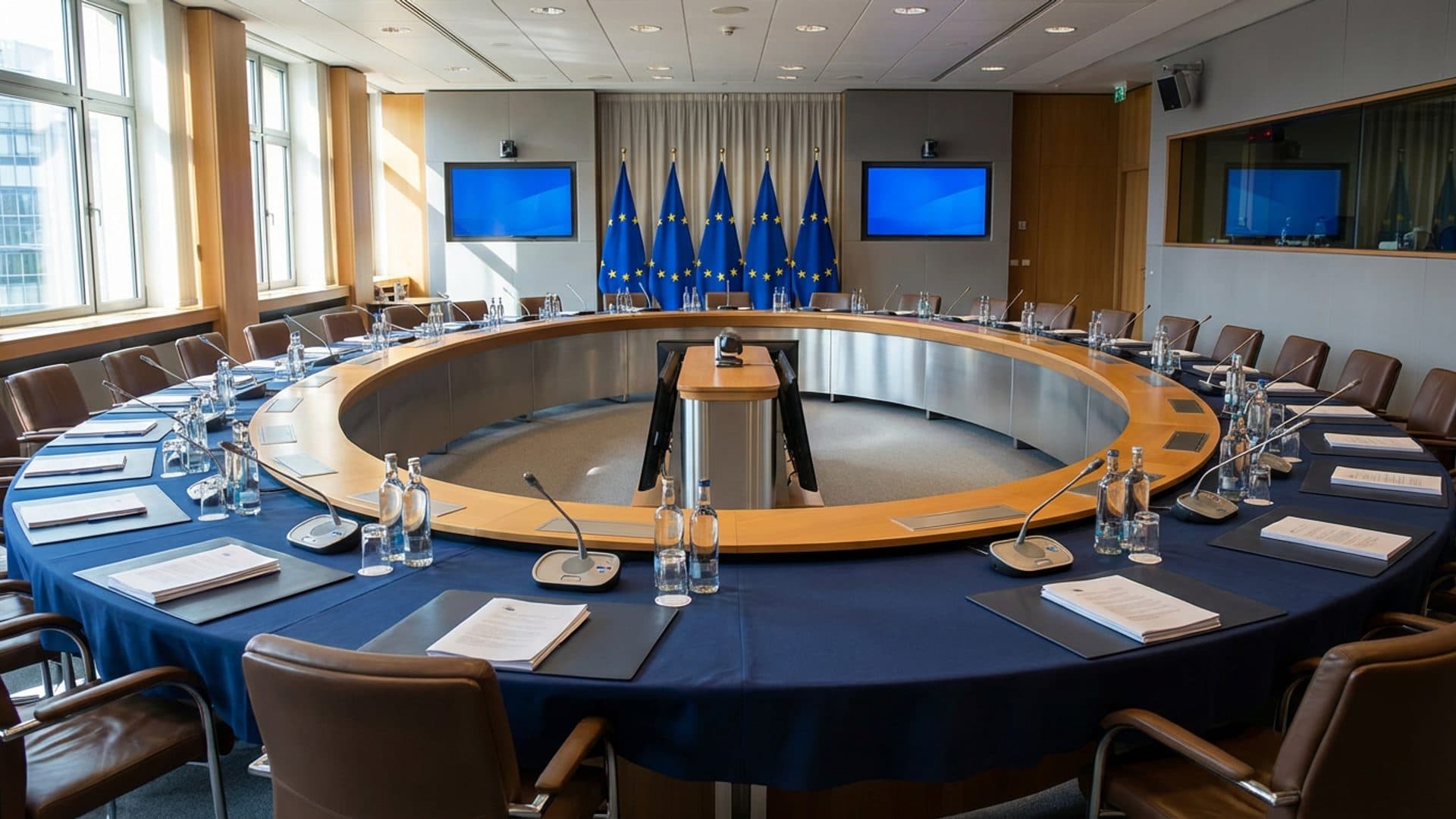
The EU Omnibus VIII environmental simplification package is progressing through the Council, with a Coreper II discussion on 22 April 2026 signalling a shift from technical analysis to political steering. First introduced by the European Commission in December 2025, the package proposes measures to reduce administrative burdens, including the targeted suspension of certain extended producer responsibility (EPR) requirements across batteries, packaging, WEEE and single-use plastics. While no binding measures have been adopted, the development highlights a meaningful policy direction for the chemicals and manufacturing value chain.
Policy Timeline Shows Steady Progression
The Omnibus VIII package was launched on 10 December 2025 through a set of proposals (COM(2025) 980–986), combining sector-specific revisions with horizontal simplification measures. Key elements include updates to the INSPIRE Directive and proposals to suspend “authorised representative” requirements within EPR frameworks, potentially until 1 January 2035. Council engagement began in January 2026 within the Antici Group, followed by Member State submissions and technical discussions through February. The Environment Working Party subsequently examined horizontal elements, while consultative bodies issued non-binding opinions on specific files. Additional Commission clarifications in April supported ongoing deliberations. The inclusion of Omnibus VIII in the Coreper II agenda as a “state of play and guidance for further work” item confirms that Member States are now providing political direction on the file, although no formal decisions have yet been taken.Extended Producer Responsibility Reforms In Focus
A central element of the EU Omnibus VIII environmental simplification package is the proposed suspension of authorised representative requirements within EPR regimes.
Batteries And Packaging
Current rules often require companies placing batteries or packaged goods on the EU market to appoint authorised representatives in each Member State. The proposed suspension would reduce administrative complexity, particularly for companies operating across borders.WEEE And Single-Use Plastics
Similar requirements apply to WEEE and single-use plastics frameworks. Adjusting these obligations could streamline compliance processes while leaving core EPR duties, such as financing collection and recycling, unchanged.Implications For Compliance And Market Strategy
For stakeholders, the Omnibus VIII package presents both opportunity and uncertainty. Reduced administrative requirements may lower compliance costs and simplify market access, especially for SMEs and multinational operators. However, the proposals do not suspend EPR systems themselves. Instead, they target specific administrative mechanisms, meaning that core environmental obligations remain intact. The primary impact is likely to be on enforcement structures and cross-border compliance arrangements. Companies should review how potential changes to authorised representative requirements may affect governance models, reporting systems, and contractual relationships.Next Steps In The Legislative Process
Following the Coreper II discussion, negotiations will continue within the Council and European Parliament. Further amendments and political compromises are expected before any final adoption. Businesses should continue monitoring developments closely and prepare for adjustments to administrative compliance frameworks as the Omnibus VIII package evolves.Official source
Council of the European Union, Coreper II provisional agenda document 8346/26, 17 April 2026data.consilium.europa.eu
Questions about this change
What happened at the Coreper II meeting on Omnibus VIII?
Coreper II held a state-of-play discussion and provided guidance for further work on the Omnibus VIII package. This marks a move from technical discussions to political oversight, without introducing binding decisions or agreed legislative text.
Does Omnibus VIII suspend EPR obligations entirely?
No. The proposals focus on suspending authorised representative requirements within EPR frameworks. Core obligations, such as financing waste collection and recycling, would remain in place.

Dr Steven Brennan
CEO and co-founder of Foresight, and a co-opted member of ECHA's Committee for Socio-economic Analysis. He holds a PhD in chemical engineering.
More from Dr Steven BrennanFind out what this means for your products
Foresight follows changes like this one and shows where they reach your substances, products and markets.
 United States

Join 3,500+ professionals staying ahead
Foresight Weekly brings the week's regulatory changes across chemicals, product safety, sustainability, ESG and EHS into one email.
Read by professionals at


