 France
France PFAS Law Faces Legal Challenge Over Weak Industrial Emissions Decree
Environmental groups have challenged France's PFAS law decree, arguing weak industrial emissions rules could undermine the 2030 phase-out target.

Dr Steven Brennan
3 min readAI-drafted, expert reviewed
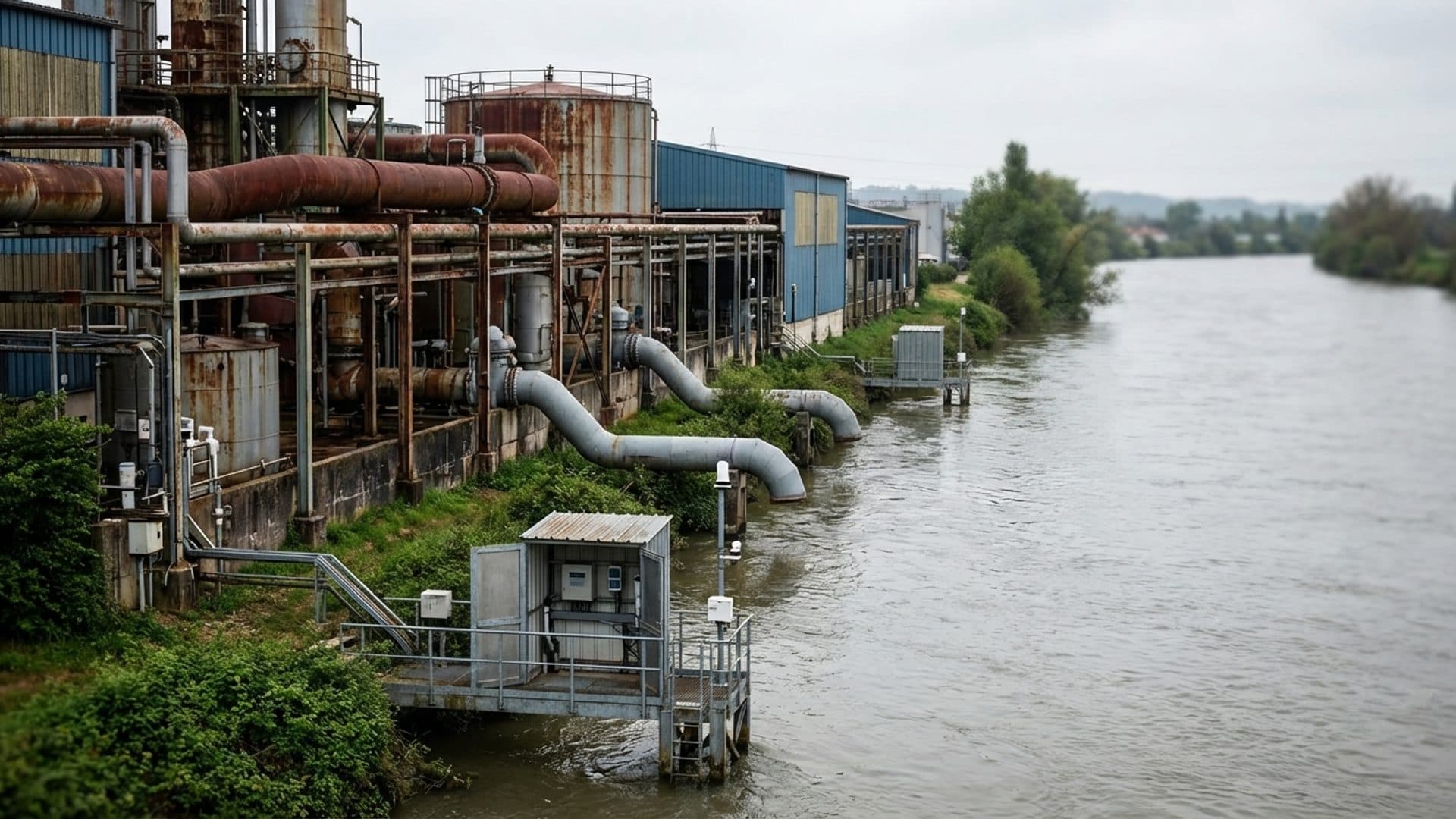
France’s PFAS law is facing a legal challenge just one year after its adoption, as environmental groups argue that a key implementing decree fails to deliver the industrial emissions reductions required to tackle “forever chemical” pollution.
On 26 February 2026, NGOs Notre Affaire à Tous and Générations Futures announced they had filed an appeal before France’s Council of State against Decree No. 2025-958. The decree is intended to regulate the reduction of PFAS wastewater discharges from industrial facilities, but the organisations say it lacks the concrete measures needed to meet the law’s target of eliminating these emissions by 2030.
The case highlights growing tensions between regulatory ambition and implementation as governments across Europe attempt to control the environmental and health impacts of per- and polyfluoroalkyl substances (PFAS).
France PFAS Law And The 2030 Emissions Goal
France adopted its PFAS law on 27 February 2025, marking the country’s first legislation dedicated specifically to regulating PFAS pollution. The law requires the government to establish a national trajectory for progressively reducing industrial PFAS wastewater discharges, culminating in their elimination by 2030.
PFAS are widely used in industrial and consumer products due to their resistance to heat, water, and oil. They are found in applications ranging from coatings and electronics manufacturing to firefighting foams and food packaging.
However, their extreme persistence has earned them the label “forever chemicals”. PFAS contamination has been detected in water, soil, wildlife, and human blood worldwide.
The French law was designed to curb these emissions at source by setting out a structured reduction pathway for industry.
Legal Challenge Over PFAS Emissions Decree
The NGOs argue that Decree No. 2025-958, published on 8 September 2025, fails to define how the emissions reduction trajectory should be implemented.
According to the groups, the decree was issued hastily before the resignation of the Bayrou government and without sufficient public consultation, which they say violates constitutional participation rights.
Crucially, they claim the text does not specify clear implementation mechanisms, milestones, or monitoring requirements for industrial operators. Without these details, the organisations argue, the law’s central objective of ending PFAS emissions by 2030 could be jeopardised.
“Without concrete measures to reduce industrial emissions, the objective of ceasing PFAS emissions by 2030 will remain a dead letter,” said Nadine Lauverjat, General Delegate of Générations Futures.
The groups previously requested a revised decree from the government but say they received no response.
Implications For Industry And The Wider Chemicals Ecosystem
The dispute comes as PFAS regulation accelerates across Europe. The EU is currently considering a broad restriction proposal under REACH, which could affect thousands of substances and multiple sectors.
Environmental groups argue that failure to curb PFAS emissions at source could lead to massive future remediation costs. One estimate cited by the NGOs places European PFAS cleanup costs at €1.48 trillion by 2050.
For manufacturers, water utilities, downstream users, and regulators, the case highlights the growing importance of clear regulatory pathways, monitoring frameworks, and emission controls.
If the Council of State rules in favour of the appeal, the government could be required to revise the decree with more detailed compliance mechanisms.
Professionals across the chemicals value chain should closely monitor the outcome, as it may influence future PFAS regulatory enforcement and industrial discharge standards in France and potentially the wider EU.
Topics
Questions about this change
What is the France PFAS law?
The France PFAS law, adopted in February 2025, is the country’s first legislation specifically targeting PFAS pollution. It requires a national strategy to progressively reduce industrial PFAS wastewater discharges, with the aim of eliminating these emissions entirely by 2030.
Why are environmental groups challenging the PFAS decree?
NGOs argue the implementing decree fails to define clear mechanisms for reducing industrial PFAS emissions. Without concrete timelines, monitoring systems, and operational requirements, they believe the decree undermines the law’s central goal of ending PFAS emissions by 2030.

Dr Steven Brennan
CEO and co-founder of Foresight, and a co-opted member of ECHA's Committee for Socio-economic Analysis. He holds a PhD in chemical engineering.
More from Dr Steven BrennanFind out what this means for your products
Foresight follows changes like this one and shows where they reach your substances, products and markets.
- PFAS portfolio reviewWhere PFAS sit in your products, under each definition that applies.
- Substitution screeningAlternatives to a substance of concern, checked for their own hazards and restrictions.
- Regulatory horizon scanningAlerts scored for your organisation, most important first.

Join 3,500+ professionals staying ahead
Foresight Weekly brings the week's regulatory changes across chemicals, product safety, sustainability, ESG and EHS into one email.
Read by professionals at


