 European Economic Area
 Northern Ireland
EU Implements Stricter Regulations On Mercury Usage To Protect Health And The Environment
Starting 1 January 2025, the use of dental amalgam will be largely prohibited within the EU.
Published in July 2024. Dates, deadlines and stages may have changed since.

Dr Steven Brennan
3 min readAI-drafted, expert reviewed
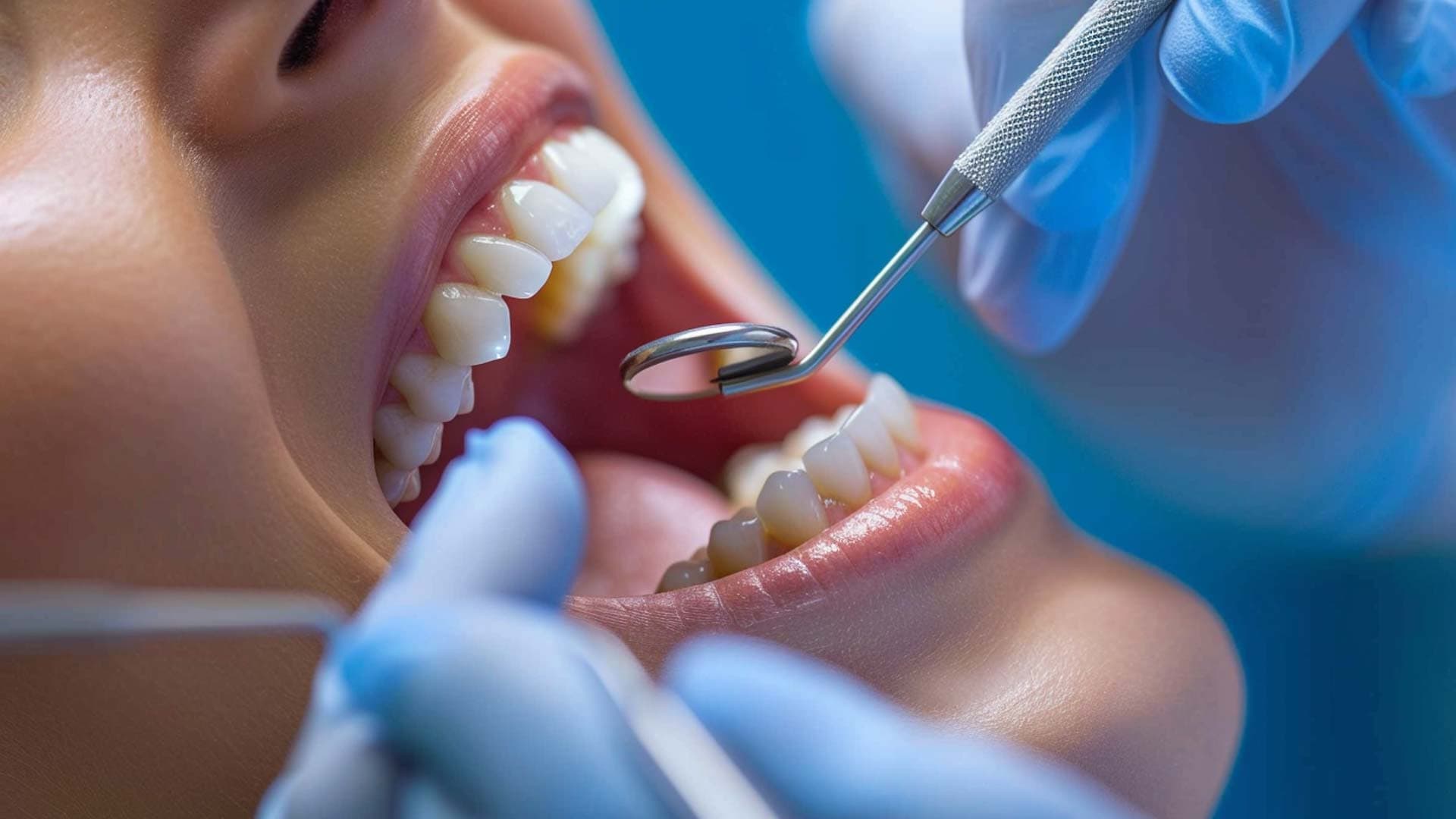
The European Parliament and the Council have enacted Regulation (EU) 2024/1849, amending the existing regulations on mercury use, particularly focusing on dental amalgam and other mercury-added products. This regulation aims to significantly reduce mercury emissions and exposure across the European Union.
Key Provisions Of The New Regulation
1. Phasing Out Dental Amalgam:
Starting 1 January 2025, the use of dental amalgam will be largely prohibited within the EU. This material, historically used in dental treatments due to its durability and cost-effectiveness, contains mercury, a substance known for its adverse health effects and environmental persistence. Exceptions will be made only for specific medical needs as determined by dental practitioners.
2. Extended Deadlines for Certain Member States:
Recognising the socioeconomic challenges that a rapid transition might pose, the regulation allows an extension until 30 June 2026 for Member States where dental amalgam is the only publicly reimbursed material. This extension provides additional time to adapt healthcare systems and ensure the availability of mercury-free alternatives for low-income patients.
3. Restrictions on Manufacturing and Import:
From 1 July 2026, the import and manufacturing of dental amalgam will be banned, marking a comprehensive step towards eliminating mercury use in dentistry within the EU.
4. Regulation of Mercury-Added Lamps:
The regulation also targets mercury-added lamps, setting phased prohibitions on various types of compact and linear fluorescent lamps by 31 December 2025, and 31 December 2026, respectively. These measures aim to encourage the use of more energy-efficient and environmentally friendly lighting alternatives.
Environmental And Health Implications
Mercury is a global environmental concern due to its long-range atmospheric transport and its ability to bioaccumulate in ecosystems. Its presence in the environment poses significant risks to human health, particularly affecting the nervous, digestive, and immune systems, as well as lungs, kidneys, skin, and eyes. The regulation underscores the EU’s commitment to the Minamata Convention on Mercury, a global treaty to protect human health and the environment from anthropogenic emissions and releases of mercury and mercury compounds.
Socioeconomic Considerations
The regulation takes into account the potential socioeconomic impacts, particularly on low-income patients. Member States are encouraged to implement measures ensuring that the transition does not disproportionately affect vulnerable populations. This includes professional training for dentists to adapt to new mercury-free techniques and materials.
Looking Ahead
The European Commission will monitor the implementation of this regulation and report on its impact by 31 December 2029. This will include assessing the need for further actions or adjustments based on technological advancements and the availability of mercury-free alternatives.
Official source
eur-lex.europa.eu
Dr Steven Brennan
CEO and co-founder of Foresight, and a co-opted member of ECHA's Committee for Socio-economic Analysis. He holds a PhD in chemical engineering.
More from Dr Steven BrennanFind out what this means for your products
Foresight follows changes like this one and shows where they reach your substances, products and markets.
 Bulgaria
European Economic Area
REACH Committee Reviews Lead, Chromium VI And CMR Measures
European Economic Area
CLP Annex VI Update: EU Proposes Major Transfer Of SVHC And Hazardous Substances
Join 3,500+ professionals staying ahead
Foresight Weekly brings the week's regulatory changes across chemicals, product safety, sustainability, ESG and EHS into one email.
Read by professionals at


